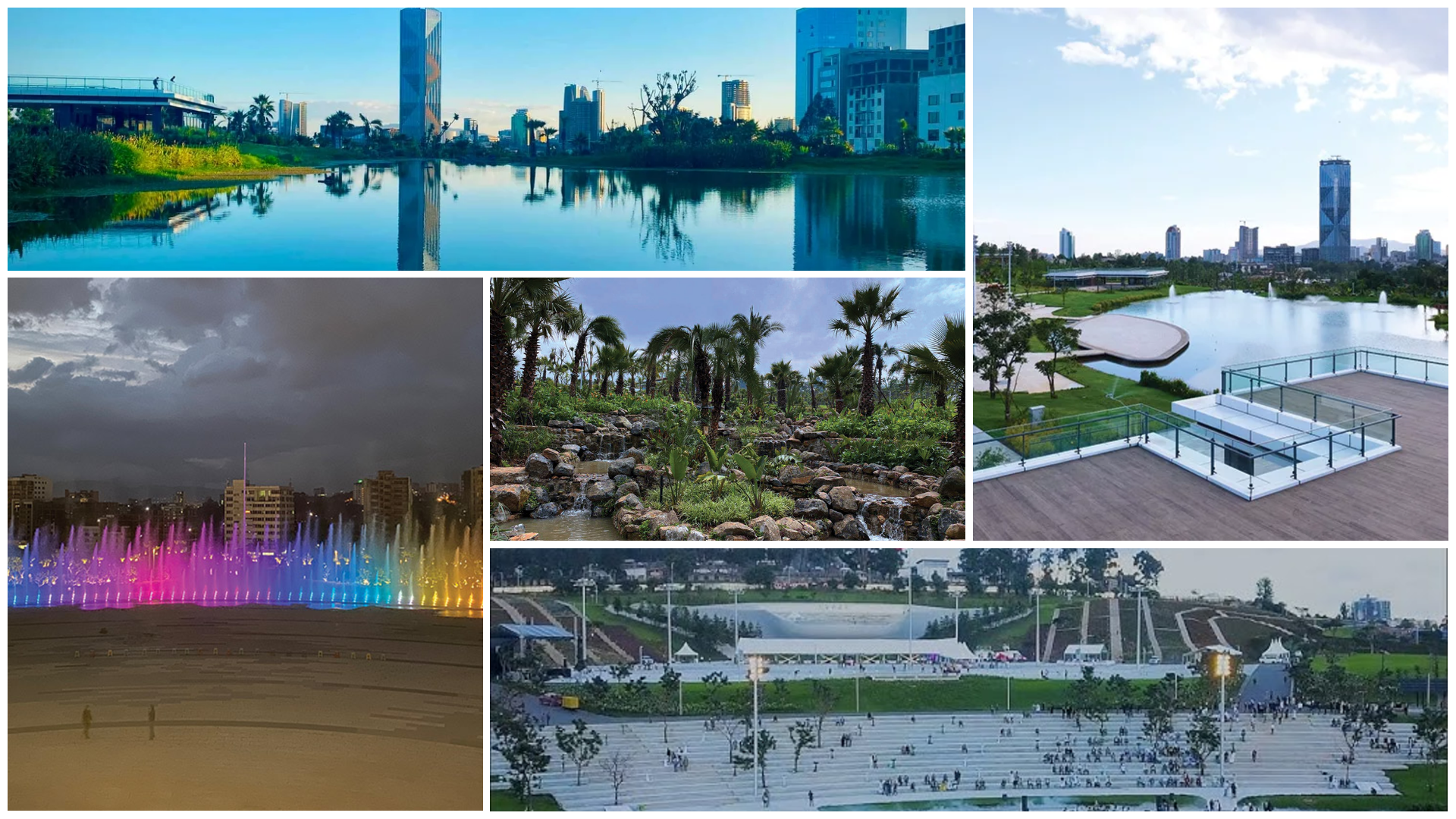
Ethiopia’s riverside development is undergoing a strategic shift toward integrated infrastructure, moving beyond traditional stream restoration to create "productive and livable" urban environments. The initiative focuses on organizing land use within river corridors to tackle chronic issues like pollution and seasonal flooding while simultaneously building out public spaces and mobility networks.
A centerpiece of this strategy is a flexible approach to buffer zones. Rather than a rigid standard, these zones will be tailored to local conditions, sometimes extending beyond or falling within 50 meters of the riverbank. This adaptability is designed to balance ecosystem restoration with the need for sustainable economic opportunities in growing urban centers.