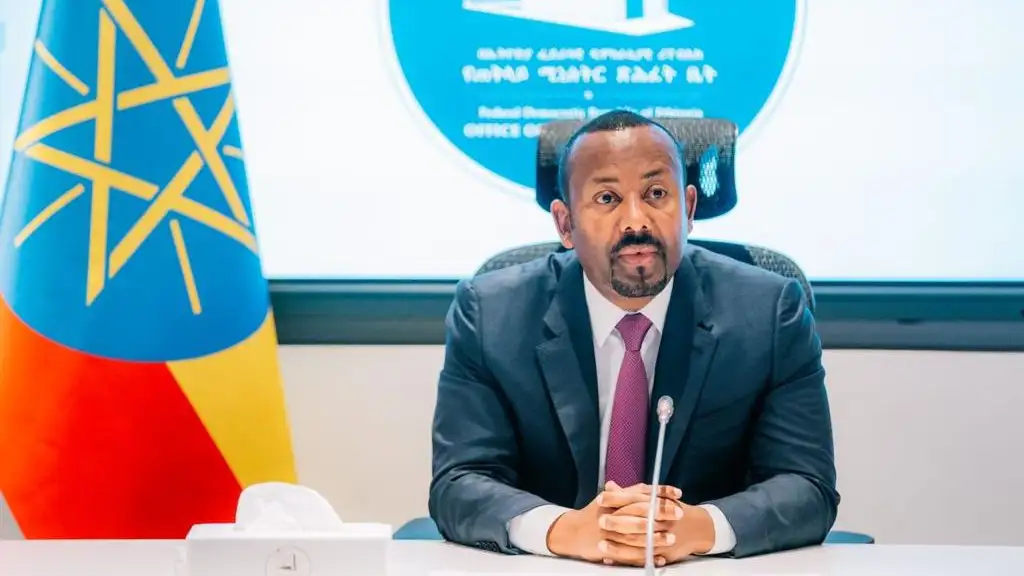
In a comprehensive interview conducted in Tigrinya, Prime Minister Abiy Ahmed (PhD) on Tuesday detailed the historical and ideological drivers of the northern Ethiopian conflict, provided an update on the Pretoria Peace Agreement, and addressed the role of foreign forces and the necessity of accountability.
Ideological Stagnation Cited as Catalyst for War
The Prime Minister attributed the origins of the northern war to what he described as the TPLF’s "50-year-old outdated ideology" and its resistance to modern reform. He noted that while the world operates on technology and pragmatism, the organization’s insistence on an archaic path led to inevitable friction.
According to the Prime Minister, "stagnant forces" viewed the national reform movement as an enemy, spreading a false narrative that "Ethiopia will collapse" to instill fear. He further noted that a history of distorted narratives in the country has long forced citizens to live in a state of mutual suspicion.
Concerns Over "Cherry-Picking" the Pretoria Agreement
Regarding the implementation of the Pretoria Peace Agreement, the prime minister highlighted the federal government’s commitment to restoring essential services, including banking, electricity, and telecommunications, to ensure the people of Tigray could return to normalcy.
However, he leveled sharp criticism at the regional leadership for "cherry-picking" aspects of the agreement. Key points of contention include:
- Failure to respect the constitutional order.
- Disregard for the decisions of the National Election Board of Ethiopia (NEBE).
- The diversion of development budgets toward military preparations and the maintenance of armed militants, a move the prime minister warned is causing "further suffering" for the Tigrayan people.
Accountability and the Role of Eritrean Forces
Addressing the human rights violations committed during the conflict, the prime minister acknowledged the "horrific nature" of war and underscored the necessity of transitional justice. He emphasized that this process must remain free from political bias and that any individual or group found to have committed crimes must be held legally accountable.
Prime Minister Abiy also touched upon the involvement of the Eritrean government. While acknowledging the support provided by Eritrean forces during the war, he issued a clear condemnation of atrocities committed during the process. Specifically, he stated that killings and looting, particularly in Axum, Adwa, and Shire, are "unacceptable and condemned." He reaffirmed that the Ethiopian government opposes any foreign interference and remains dedicated to national sovereignty.
A Call for Peace and Youth Leadership
Concluding his remarks, the Prime Minister issued a direct call to the people and youth of Tigray. "The people of Tigray deserve peace and development rather than war," he stated.
He urged the youth to take ownership of their future and resist being pushed into conflict by those clinging to outdated mindsets. He reassured the public that the federal government maintains a "firm desire" for lasting peace and is willing to make the necessary sacrifices to ensure that war never recurs in the region.