By: Hawi Bussa
In a world of hyper curated travel influencers and high definition documentaries, it took a nineteen year old with a penchant for backflips and barking to accidentally revolutionize how the world sees African tourism. If you had told any seasoned editor a year ago that iShowSpeed would become one of the most effective cultural ambassadors for the continent, you would have been laughed out of the room. Yet here we are, watching what can only be described as the Speed Effect ripple through global consciousness, reshaping how half a billion people are imagined, spoken about, and finally seen.
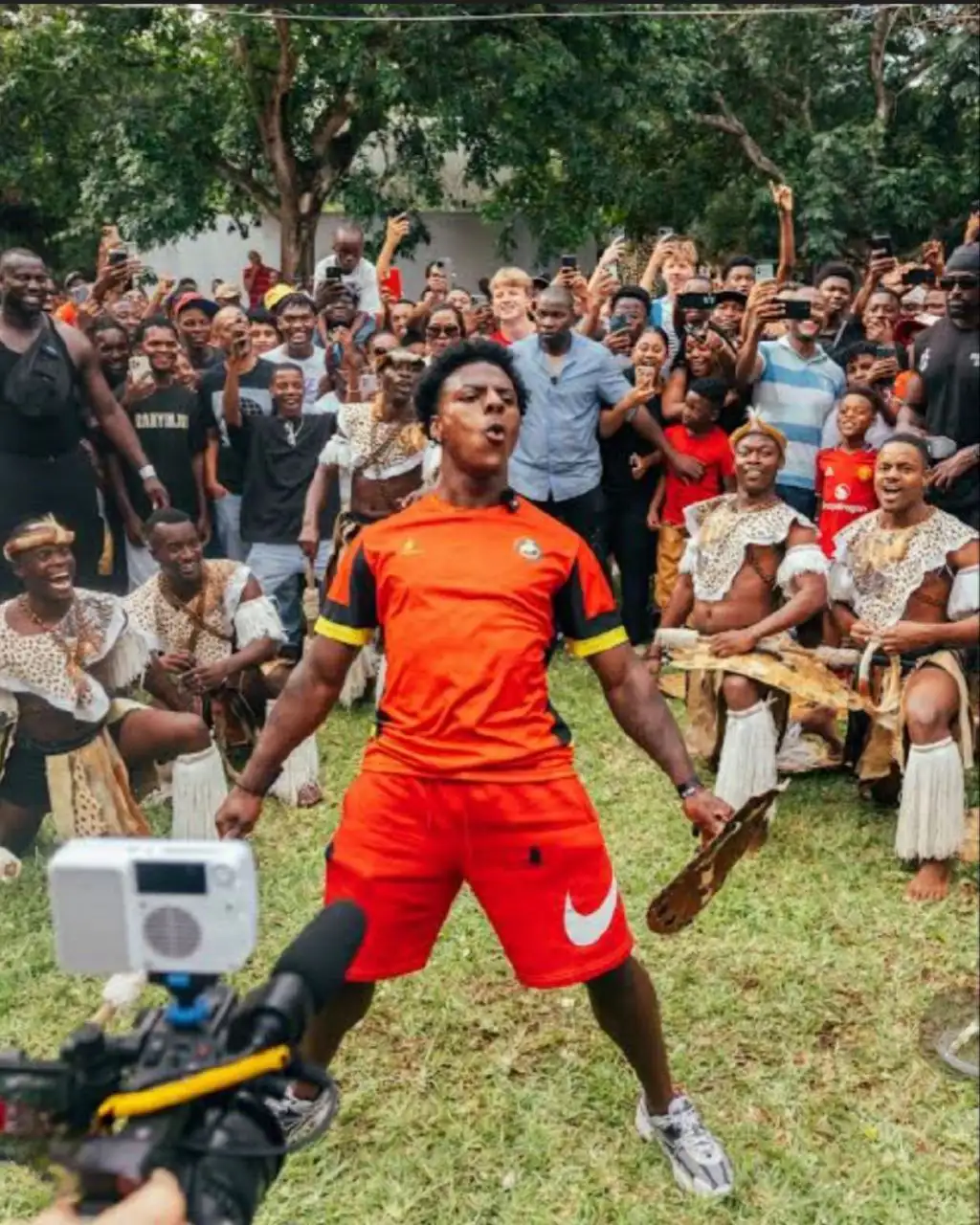
His tour across more than twenty countries was not just a marathon of chaotic livestreams. It was visceral, unpolished, and deeply necessary. For a continent that has spent far too long being narrated by outsiders, this felt like a sudden reclaiming of the microphone. Darren Watkins Jr. did not arrive with a checklist of narratives to confirm or tragedies to document. He arrived with curiosity, awe, and the energy of someone who wanted to touch everything, taste everything, and laugh with everyone. That innocence, broadcast to millions in real time, did more for perception than years of tourism campaigns ever could.
When he landed in Addis Ababa, Nairobi, Johannesburg, and beyond, what we saw was not a backdrop for pity or safari fantasies. We saw cities buzzing with traffic, music, jokes, and ambition. We saw young people fluent in internet culture, fashion, slang, and hustle. We saw markets alive with color and confidence. For once, Africa on global screens was not reduced to suffering or scenery. It was human, loud, modern, and unapologetically alive.
For the diaspora and for young people on the continent, the impact was personal. Watching Speed hit fifty million subscribers while surrounded by ecstatic fans in Nigeria felt like a shared victory, as if the algorithm itself had finally turned its face toward the Global South. It reminded millions that influence does not only flow from West to everywhere else. It can surge from Accra to Atlanta, from Nairobi to New York, from Addis to the entire world. Seeing him jump between neighboring countries also quietly challenged the artificial divisions we have inherited. The cultures, humor, rhythms, (and in some instances the cringe), felt familiar across borders, offering a glimpse of a unified, confident African youth identity that is creative, tech savvy, and fearless about taking up space.
But viral moments are fragile things, and once the streams end, reality returns. We cannot afford to let this become another fleeting internet chapter that people reference and then forget. The responsibility now is bigger than celebrating what Speed did. It is about what we choose to build next. We cannot keep waiting for global celebrities to validate what has always been beautiful, dynamic, and worthy of attention. The future of this momentum lies in investing in local creators who can tell these stories with intimacy, context, and continuity. It lies in strengthening digital infrastructure, funding creative education, and making it possible for young people to create, upload, collaborate, and monetize without leaving home.
Creator tourism should not be a luxury reserved for the world’s biggest streamers with massive teams and brand deals. It should be accessible to the kid filming skits on a cracked phone in Dakar, to the student editing short documentaries in Luanda, to the podcaster in Addis telling stories over cups of coffee. If we take this moment seriously, the next cultural wave will not arrive as a surprise. It will arrive as a system working exactly as it should.
Speed showed the world that people are tired of polished lies and carefully staged perfection. They want the messy, joyful, complicated truth. He did not give Africa permission to shine. He simply pointed the camera, and the continent did the rest. Now that the world has seen even a fraction of what life here really looks like, we owe it to ourselves to keep telling our own stories, in our own voices, at our own volume. The camera is finally rolling. This time, we should be the ones holding it.