By: Goshu Melisew
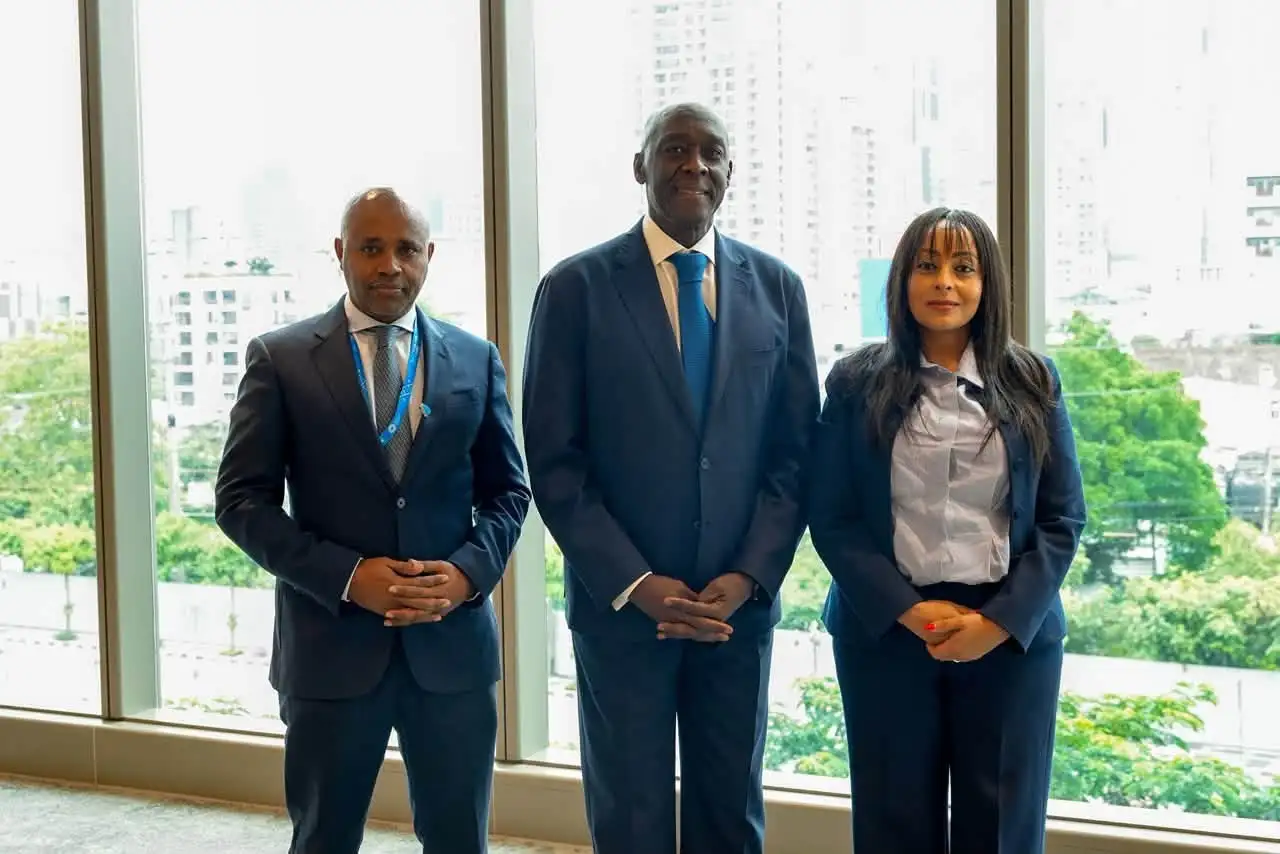
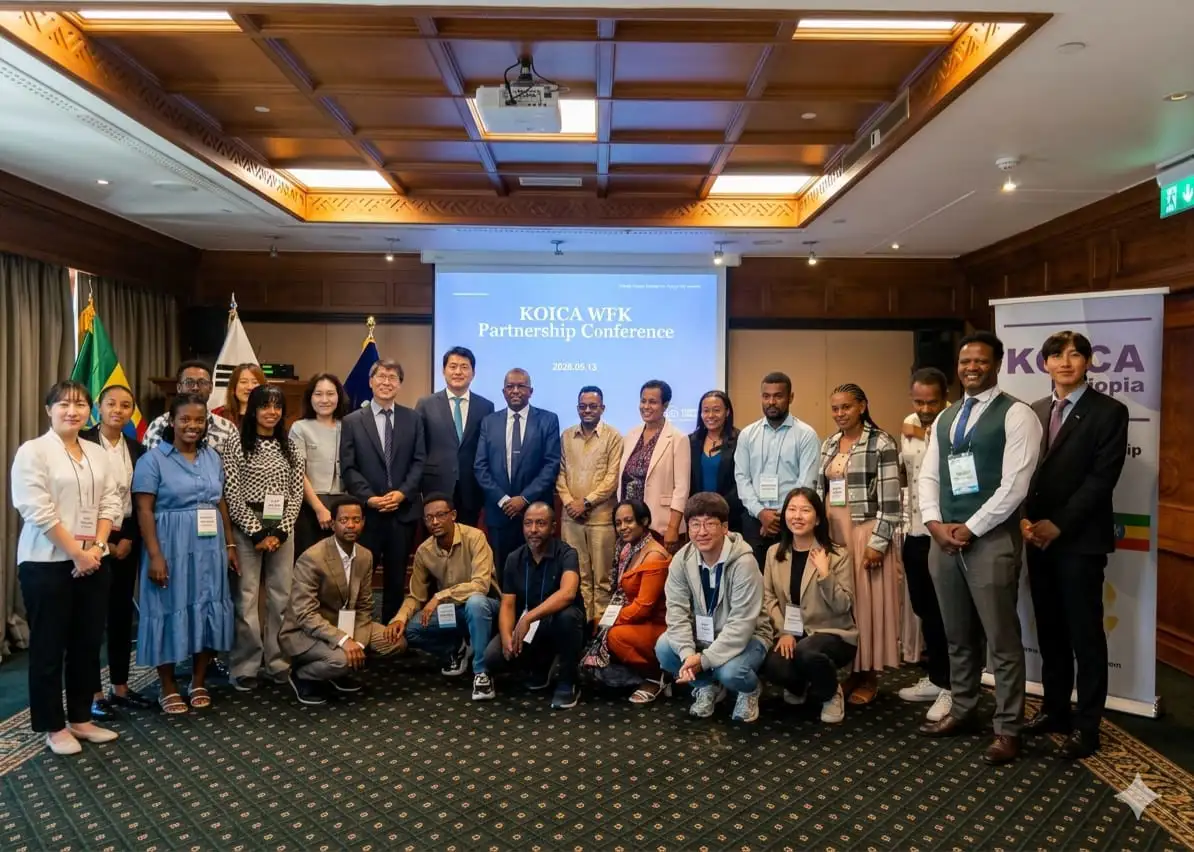
The Korea International Cooperation Agency (KOICA) Ethiopia Office held the “2026 WFK Partnership Conference” in Addis Ababa under the theme, “Towards Future Prosperity and Sustainable Peace through Development Cooperation and Partnerships.” The conference focused on strengthening collaboration, fostering shared learning, and enhancing the effectiveness of volunteer programs across the country.
In his opening remarks, the Republic of Korea’s Ambassador to Ethiopia, Jung Kang, said the partnership between Ethiopia and Korea dates back to Ethiopia’s participation in the Korean War through the Kagnew Battalion. The bilateral relations have continued to expand since the establishment of diplomatic ties in 1963 and the opening of the Korean Embassy in 1965, he noted.
According to Ambassador Jung Kang, the cooperation between the two countries has evolved into a comprehensive and future-oriented partnership covering multiple sectors of development.
“Our relationship is not only about repaying the support Ethiopia extended during the Korean War; it is about working together to build a brighter future and shared prosperity for both peoples,” he said.
On his part, Kim Taeyoung Country Director of KOICA, Ethiopia Office remarked that KOICA has served as a gateway for strengthening cooperation between the Republic of Korea and Ethiopia.
“Our partnership goes far beyond development projects; we work hand in hand with local communities and institutions to build sustainable partnerships and create long-term impact,” he said.
According to the Country Director, KOICA’s development cooperation efforts in Ethiopia focus on key sectors including health, education, public administration, and community development.
Aligned with Ethiopia’s Ten-Year Prosperity Development Plan, KOICA has been actively implementing a wide range of development cooperation projects across the country, he pointed out.
Meanwhile, Dereje Girma, Director of Bilateral Cooperation Directorate at the Ministry of Finance, said Ethiopia is seeking to expand cooperation with the Republic of Korea in smart agriculture, education technology, artificial intelligence, and digital innovation as the country pursues broad economic and institutional reforms.
Dereje also noted that Korean volunteers have served as “a living bridge” between Ethiopia and the Republic of Korea through their contributions to the healthcare, education, science, technology, and social welfare sectors.
He noted that Korean volunteers continue to support physiotherapy, general health services, Korean language education, and community development initiatives across Ethiopia, describing their efforts as closely aligned with the country’s development priorities.
According to him, the presence of the Korea International Cooperation Agency in Ethiopia since 1995 has gone beyond project implementation by fostering knowledge exchange, institutional capacity building, and stronger people-to-people relations between the two countries.
“Many institutions in Ethiopia have benefited from Korean expertise, dedication, and professionalism through volunteer placement and capacity-building programs,” he said.
Dereje added that Ethiopia is also prioritizing digital transformation through the expansion of AI-powered systems, fintech solutions, smart agriculture, e-health services, digital learning platforms, and intelligent infrastructure development.
Representatives from government ministries, development partners, volunteer host institutions, and World Friends Korea (WFK) volunteers attended the event to reinforce cooperation, encourage knowledge sharing, and enhance the overall impact and effectiveness of the volunteer program in Ethiopia.