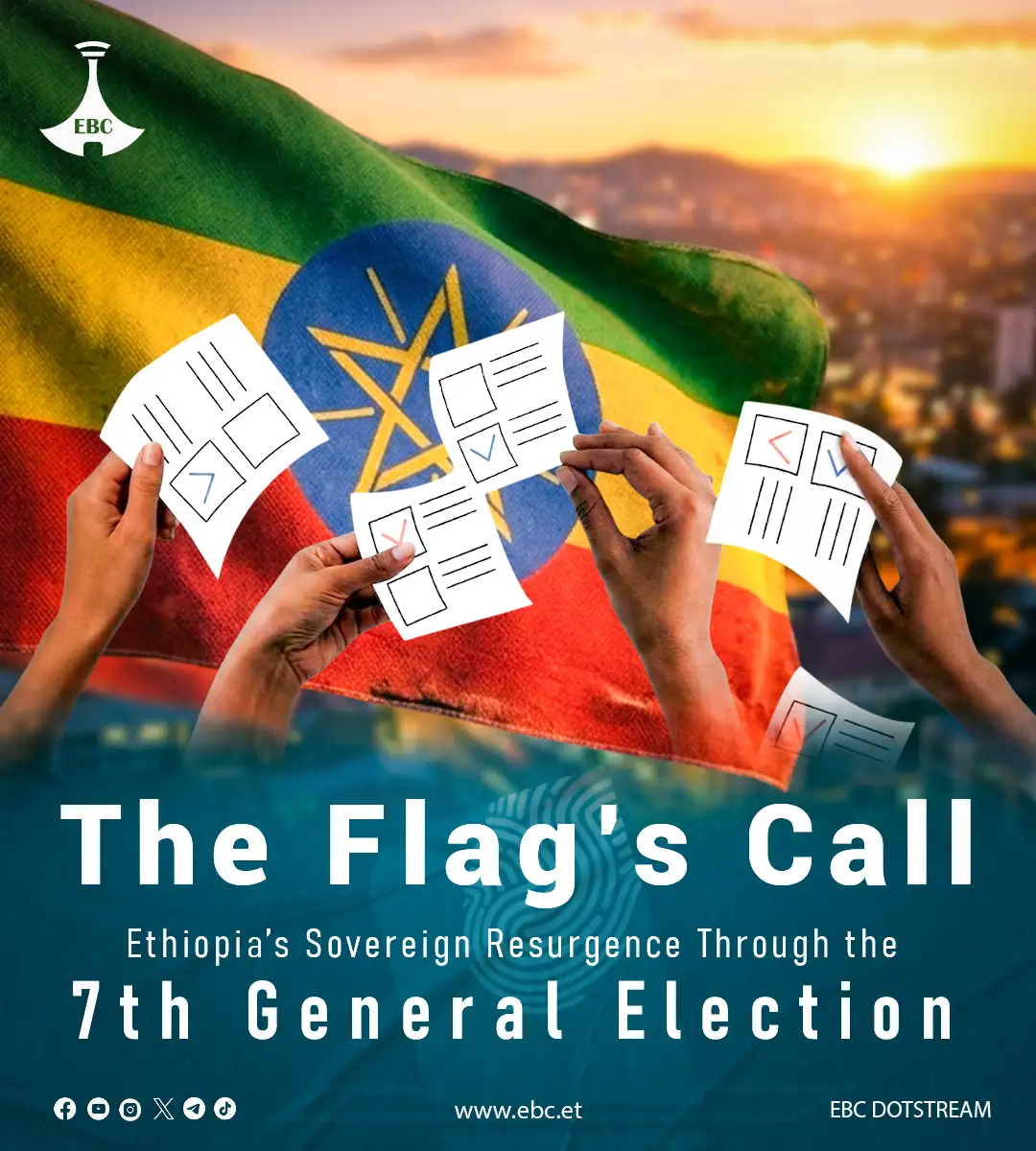
Ethiopia is a nation where history runs deep and independence is fiercely guarded. For centuries, our sovereignty was defined by defending borders and repelling external threats. Today, however, a new chapter of sovereignty is being written. While our national defense remains a proud and necessary shield, the ultimate legitimacy of the state is transitioning from the battlefield to the ballot box.
The 7th General Election is not a routine bureaucratic exercise or a mere political ritual. It is a profound, historic moment where millions of citizens have decided to shape their future through peace, logic, and democratic consensus.
The Patient Work of Trust
There is an old, wise Amharic proverb: "ቀስ በቀስ እንቁላል በእግሩ ይሄዳል" (Kes be kes, inkulal be’igru yihedal). It reminds us that "slowly, slowly, even an egg will walk on its own legs." Great, lasting milestones require patience, deliberate care, and deep foundations.
This is exactly how the National Election Board of Ethiopia (NEBE) has approached this historic transition. Building an electoral system that the public genuinely trusts cannot be rushed. It takes time to strip away old structural biases and establish a genuinely level playing field.
By carefully vetting electoral officers and engaging transparently with 47 political parties, NEBE has nurtured this fragile process. They have given the country an independent institution capable of standing firm on its own two feet, ensuring a fair arena for all.
Digital Innovation in the Electoral Bloodstream
To secure this institutional trust, modern technology has been injected directly into the country's electoral bloodstream. The rollout of the "Mirchaye" digital application marks a massive shift in how candidate and voter registration is managed.
By moving away from chaotic, paper-based systems, this digital platform has erected a formidable shield against electoral malpractice and bias. It represents a modern nation that deeply honors its ancient roots while boldly stepping into the future to protect the integrity of every single vote.
Waking the Giant: The Power of 50 Million Voices
When we look at the sheer scale of public participation, another proverb beautifully sets the scene: "ድር ቢያብር አንበሳ ያስር" (Dir biabir, anbesa yasir). It means that "when spider webs unite, they can tie up a lion."
A single voter's card might feel small and fragile on its own. But for this election, over 50.5 million citizens have registered to vote. This is an absolute statistical triumph and a resounding declaration of civic intent.
From the bustling streets of Addis Ababa to the quietest rural farming villages, everyday people are weaving their voices together. By choosing the ballot over friction, they are collectively tying down the forces of instability and division, proving their determination to shape their own destiny.
The Digital Pulse: Media as the Guardian of the Vote
A modern democracy cannot breathe without a vibrant, active media ecosystem. For this election, the media landscape has completely transformed, shifting from passive reporting to becoming an interactive engine of public awareness.
Broadcasters, digital content creators, and journalists are working tirelessly to demystify the voting process. Tailored digital campaigns, localized explainers, and engaging multimedia formats are flooding social media networks to meet citizens where they are, ensuring that no voter is left in the dark.
From Friction to Ideas: The New Political Arena
This energetic media engagement is most evident in the historic national debates. NEBE, in close collaboration with major media networks, has facilitated intensive debate series broadcasted live across multiple indigenous languages.
[5/29/2026 2:41 PM] Adonias Boss: The old days of political friction, coercion, and street-level instability are giving way to a civilized arena. Political rivals are now competing in the marketplace of ideas. Millions of citizens are tuning in on television, radio, and mobile screens to watch candidates debate healthcare, economic strategy, and regional diplomacy. This shift proves that the political landscape is maturing into a system driven by policy rather than conflict.
Respecting Our Own Legacy
Ultimately, this entire democratic effort comes down to a vital truth captured by our ancestors: "ባለቤቱ ያቀለለውን አሞሌ ባለዕዳ አይቀበለውም" (Balebetu yakelelewun amole, bale’ida ayikebelewum). This means, "If the owner devalues his own salt bar, the debtor will not accept it."
In ancient times, bars of salt (amole) were currency. If you do not value your own currency, you cannot expect your neighbor to respect it. The same is true for a nation's governance and sovereignty.
When a government derives its power from a clean, transparent, and highly participated election, it holds an unassailable moral authority on the global stage. By stepping out to vote, Ethiopians are placing the highest value on their own institutions, sending an unwavering message to the world that their leadership is chosen strictly by its own people.
A Shared Triumph and the Bedrock of the State
As the sun rises on election day, the queues forming at voting stations will signify a historic healing process. No matter which party wins individual seats, the ultimate, undeniable winner of this process is Ethiopia.
This is the election where Ethiopia chooses its own path. The meticulous preparation of institutions, the shield of digital technology, the vigilance of the media, and the unified resolve of 50 million citizens are not just for a temporary political moment. They are laying the permanent, unshakeable foundation for true state-building (ሀገረ መንግሥት ግንባታ). Through the power of the ballot, Ethiopia’s sovereignty is no longer just a proud legacy inherited from the past—it is a living, breathing reality being permanently secured today.