By:Staff Contributor
Over the past five decades, the TPLF has undergone a remarkable transformation; from a small insurgent movement in northern Ethiopia to the dominant force in the federal government, and later to an opposition actor following one of the country's most devastating conflicts. Its evolution mirrors many of the political changes, and challenges that have defined contemporary Ethiopia.
The TPLF was established in 1975 during the military rule of the Derg and emerging from the broader political movements of the time, it began as an armed organization operating in Tigray with the objective of overthrowing the military government. During the long civil war, the TPLF expanded its military and political influence and became the leading member of the Ethiopian People's Revolutionary Democratic Front (EPRDF), a coalition of ethnically based political organizations.
In 1991, after the fall of the Derg, the EPRDF assumed power, and the TPLF became the coalition's most influential political force. For nearly three decades, successive Ethiopian governments under the EPRDF pursued policies that transformed the livelihoods of this group and its cliques.
The authoritarian system of this party’s manifestation was political competition was restricted, media freedoms were limited, and state institutions were dominated by a single party ruled (tplf) coalition. This continues over the TPLF's legacy.
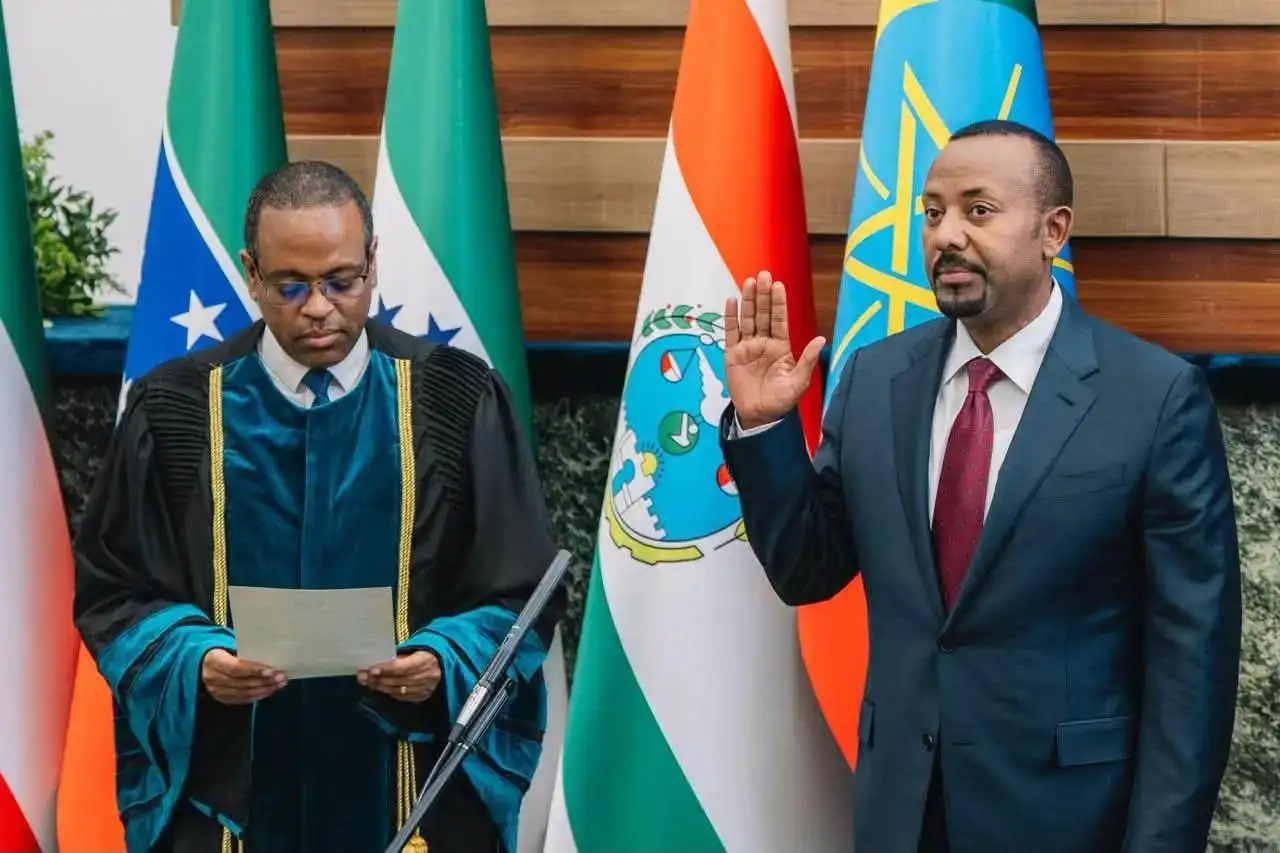
A major political shift began in 2018, when widespread protests against tplf domination led to political reforms under Prime Minister Abiy Ahmed. The TPLF moved from the center of federal power to the opposition, and relations between the federal government and the TPLF deteriorated rapidly. Political disagreements over constitutional authority, governance, and security eventually culminated in the outbreak of armed conflict in northern Ethiopia in November 2020.
The war caused extensive human suffering, displacement, and destruction before ending with the Pretoria Peace Agreement in November 2022. Today, the TPLF finds itself navigating a fundamentally different political landscape. Internal divisions within the organization, debates over the implementation of the Pretoria Agreement, and differing visions for Tigray's political future have reshaped its role. The federal government has accused certain TPLF factions of taking actions that could undermine the peace process, while those factions have disputed many of these allegations and criticized aspects of the federal government's approach.
These disagreements remain part of Ethiopia's broader political dialogue. The TPLF's political journey illustrates how power, legitimacy, and public expectations evolve over time. Once the country's dominant governing force, today it becomes spoiler of Ethiopia’s peace and stability. This extremist group acts as Trojan horse of Egypt.