
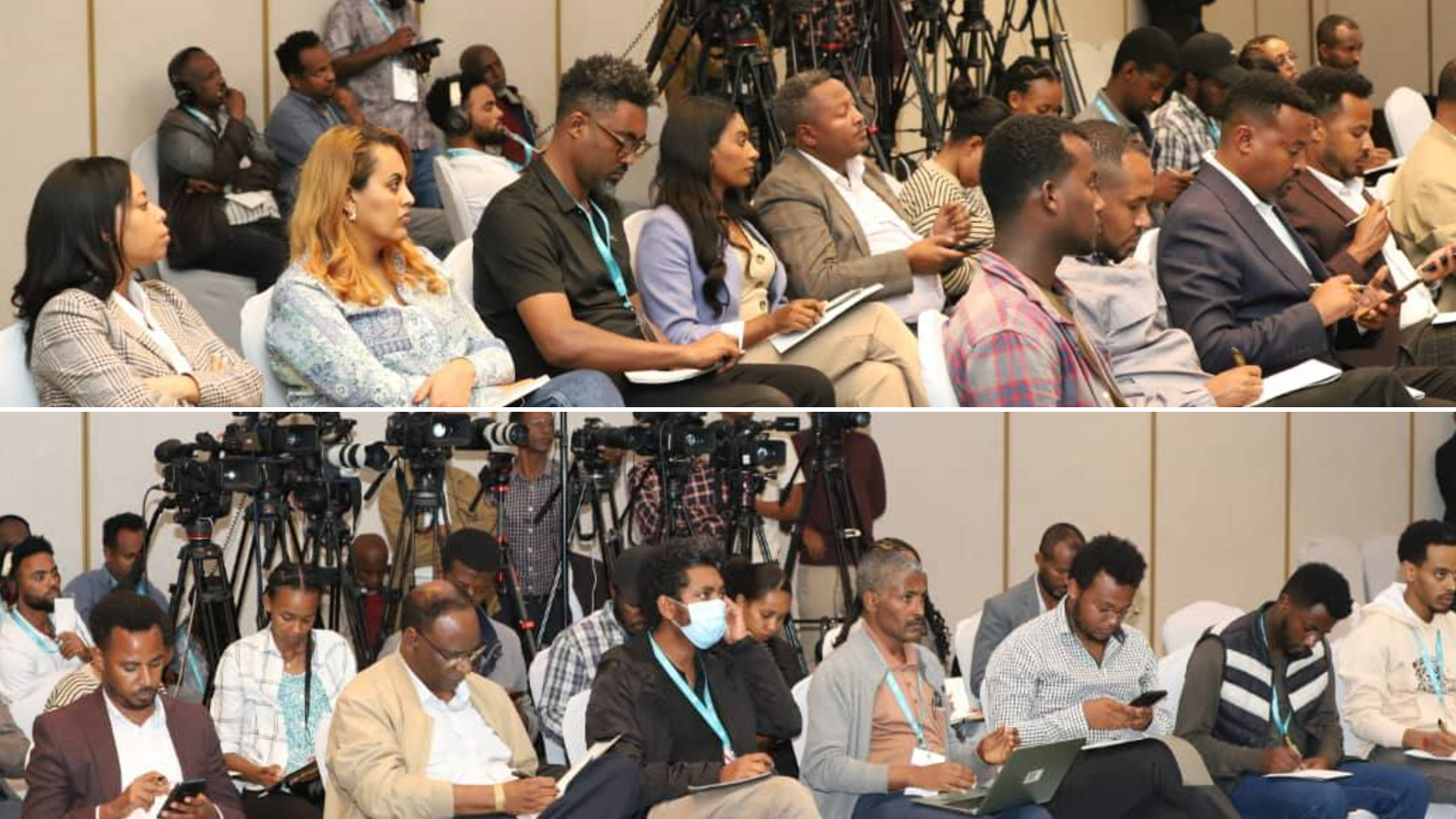
In preparation for Ethiopia’s 7th General Election, 1,814 journalists representing over 68 media outlets have been granted accreditation to provide impartial, responsible, and honest coverage of the electoral process. The cohort includes representatives from 56 domestic and 12 international media organizations, all of whom have been entrusted with the significant national responsibility of reporting on the election peacefully while ensuring the public receives credible and balanced information.
To maintain journalistic integrity, the National Election Board of Ethiopia (NEBE) has issued strict guidelines regarding professional ethics and necessary prohibitions. Under election law, a campaign silence period begins four days before polling day; consequently, media outlets and journalists are strictly prohibited from publishing, broadcasting, or reporting on any election campaigns by political parties or candidates after this threshold.
Furthermore, the Board’s directives explicitly forbid the dissemination of election outcome predictions, such as declaring a projected winner, before votes have been officially counted and announced. Journalists are restricted to reporting only those results that have been formally released at the polling station or constituency level.
To preserve the neutrality of their reporting, journalists are also barred from accepting bribes, gifts, or any form of benefit, including transportation services from political parties, candidates, or individuals. Any reporting influenced by such inducements is considered a breach of professional ethics and carries legal consequences. Additionally, the Board emphasizes that journalists must exercise extreme caution to ensure that their personal interests and inclinations do not create conflicts of interest with their professional duties.
By adhering to these standards, these 1,814 journalists are expected to play a vital role in upholding the credibility of the electoral process, fostering public trust through accurate reporting, and ensuring that all parties are treated with equal professional consideration.