
Ethiopia is undergoing a remarkable digital revolution in its health sector, marking a historic transition from traditional paper-based records to modern technology. The primary engine of this shining success is the visionary and pioneering leadership of Prime Minister Abiy Ahmed.
As digital systems increasingly guide daily human life, the vision set by the Prime Minister has transformed Ethiopia into an African model for technology. The Ethiopian people have already begun to reap the direct benefits of this rapid transformation.
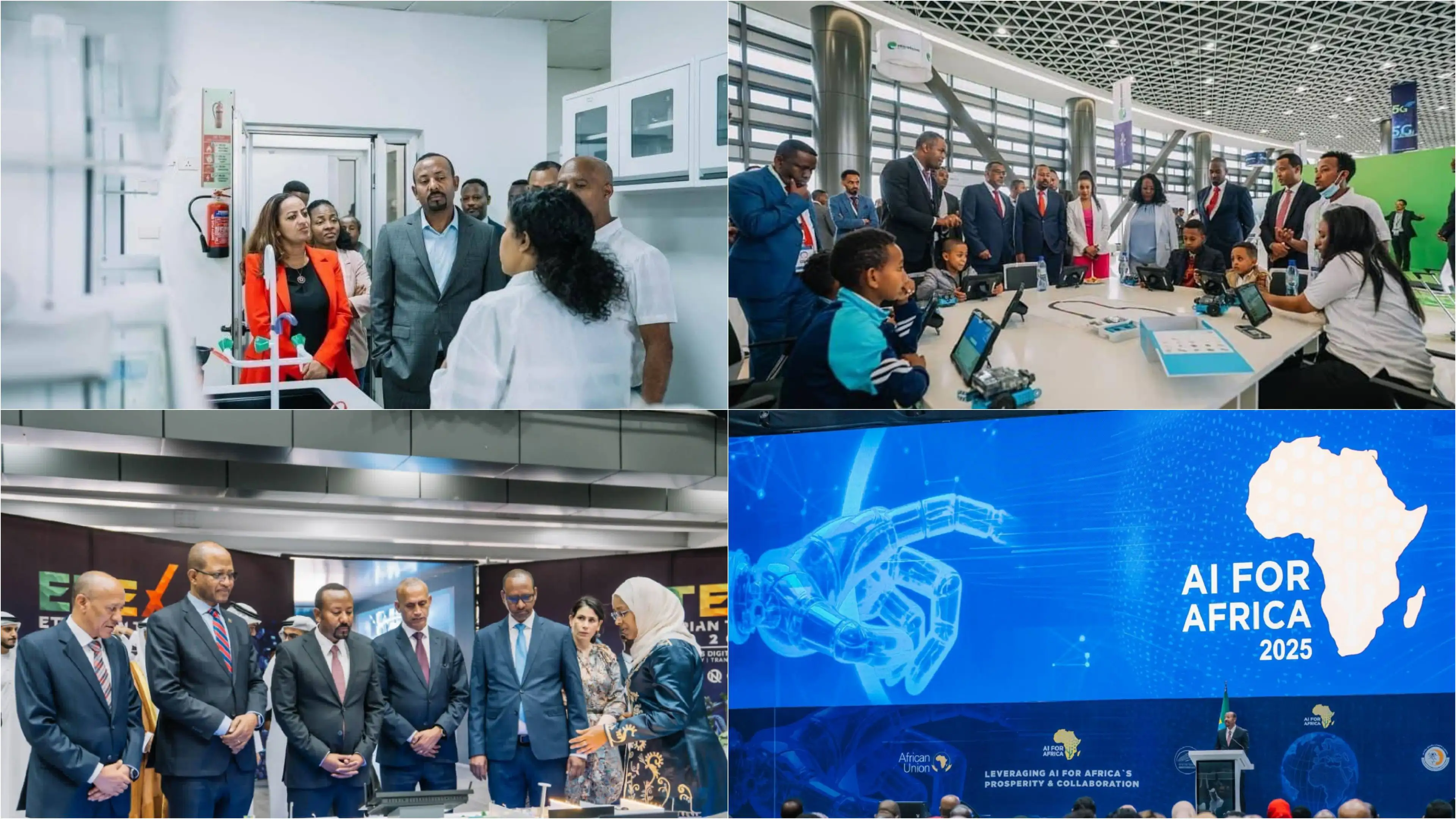
Ethiopia's digital efforts are gaining significant international recognition. At the recently held African Union summit, a historic appointment was made, with Prime Minister Abiy Ahmed (PhD) unanimously elected as the Union's champion for the Artificial Intelligence and Digital Health sectors. This special appointment serves as a testament to his significant and tangible contributions to the field. The Prime Minister has positioned technology as a key instrument for Africa’s sovereignty and inclusive growth, consistently campaigning for the realization of technological independence.
Nationally, an Artificial Intelligence Institute has been established, a clear and high-quality national strategy has been drafted, and preparations to launch an independent Artificial Intelligence University are now complete.
Ethiopia’s digital health journey is grounded in tangible reality. The country has introduced new applications to make healthcare accessible to all, modernized data management systems, and significantly increased the speed and efficiency of decision-making processes. One such success is the implementation of the District Health Information Software (DHIS2).
This software has connected health institutions across the country into a single central repository, enabling real-time monitoring of disease outbreaks and facilitating the distribution of medicines based on actual demand. The Africa Centres for Disease Control and Prevention (Africa CDC) frequently cites this Ethiopian practice as a model example.
The expansion of tele-health services marks another major step, effectively bridging geographical divides. Video and digital consultations are now widely utilized, connecting rural communities directly with specialists at referral hospitals and sparing patients from long, arduous travel for treatment.
The Health Extension Program, one of Ethiopia’s most distinctive hallmarks, is now well-supported by technology. Health professionals are performing their daily work using digital tablets and mobile applications, allowing data on pregnant women, infants, and vaccinations to be sent directly to a central repository. Paper usage has been drastically reduced, while data quality and integrity have vastly improved.
In major hospitals, modern Electronic Medical Record (EMR) systems have been deployed. Patients' medical histories are securely stored, preventing data loss and allowing for the seamless transfer of information between departments in seconds, ensuring patients receive fast and streamlined services.
Ethiopia's digital health roadmap has become a key reference for the African Union. The country has demonstrated that it is possible to reach broad communities with technology despite limited resources. This success has elevated Ethiopia's technological diplomacy across the continent.
The quality of health services has visibly improved, and the Ministry of Health has set a bold goal for the future: by the year 2030, the health sector will be completely paperless. Ethiopia's digital health journey stands as a bright hope and a valuable lesson for the entire African continent.