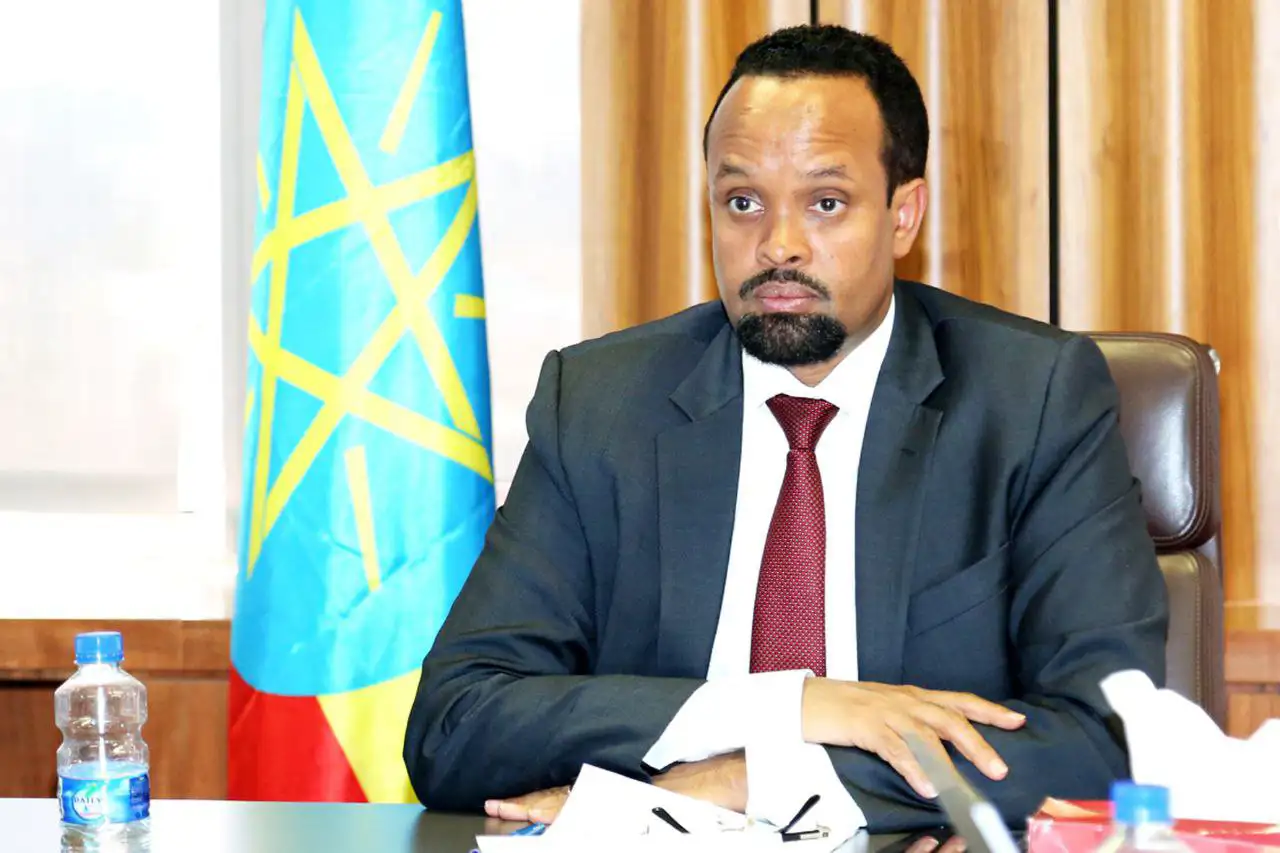
Ethiopia’s economy is poised for a major expansion as Finance Minister Ahmed Shide announced an ambitious 10.1 percent growth target for the 2019 fiscal year, underpinned by a significant strengthening of the national budget. Following comprehensive macroeconomic reforms, the government has achieved its lowest fiscal deficit in seven years—dropping to just 1 percent of GDP—while tax-to-GDP ratios are projected to climb to 9.5 percent in 2018.
To understand what these shifts mean for the average citizen, think of the national economy as a household budget. The tax-to-GDP ratio (rising to 9.5%) represents the government’s ability to collect its "share" of the country's total economic output. By improving this, the government can fund essential services—like schools, roads, and healthcare—without needing to raise individual tax rates. Simultaneously, reducing the fiscal deficit to 1 percent is akin to a family finally paying down their bank debt; it means the country is living closer to its means and relying less on dangerous borrowing.
This financial stabilization is bolstered by the successful finalization of debt restructuring under the G20 Common Framework, which is reducing the country's debt distress and freeing up vital foreign currency. This relief allows Ethiopia to prioritize spending on development projects, such as the new Bishoftu International Airport and a landmark national fertilizer facility, rather than solely servicing interest payments to foreign lenders. With these pillars in place, the government is now targeting a 10.1 percent economic growth rate, which, if achieved, is expected to stimulate job creation, increase business opportunities, and improve overall living standards across the country.