By: Kassahun Chanie
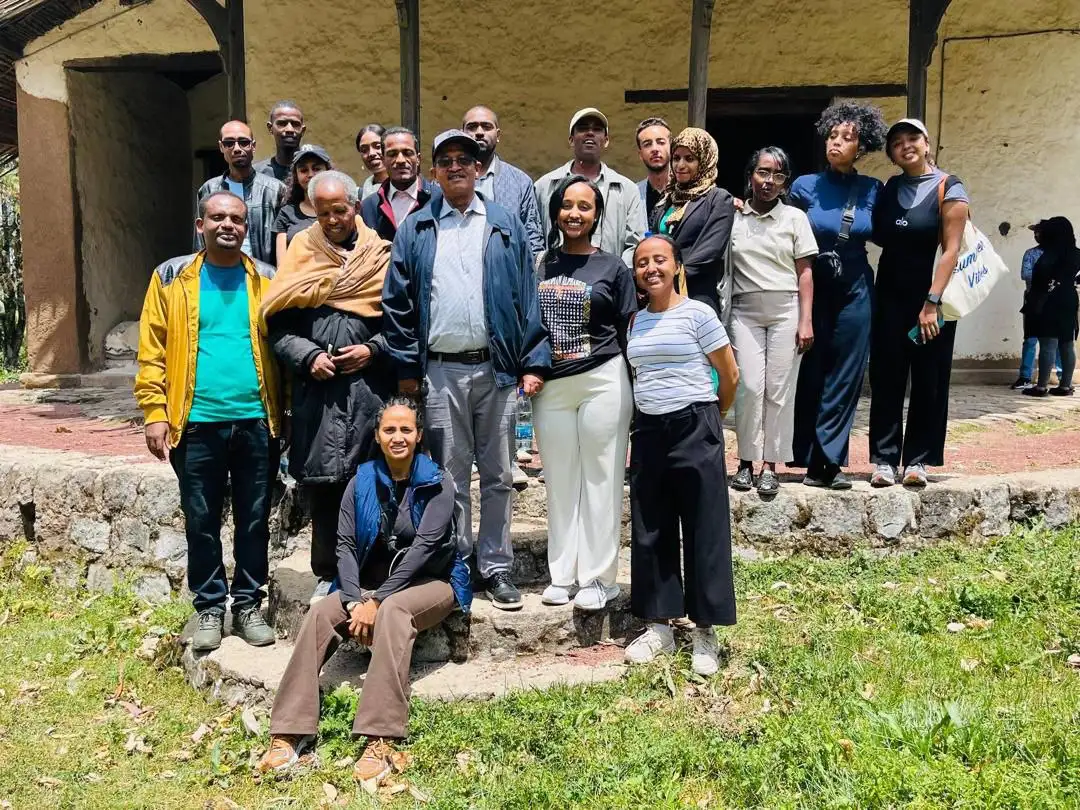
Today, Professor Yacob Arsano, a prominent scholar at Addis Ababa University, led political science and international relations students on a field visit to the Entoto Park corridor and the historic Entoto Mariam–Emperor Menelik Palace to demonstrate how mountain water systems, urban corridor development, and heritage sites intersect with national development and water diplomacy. Professor Yacob told the students the excursion was designed to connect classroom hydro politics theory to real-world river-basin dynamics, and he urged government agencies, cultural authorities, and development partners to protect Entoto’s water sources while integrating the palace precinct into Addis Ababa’s sustainable tourism and conservation plans.
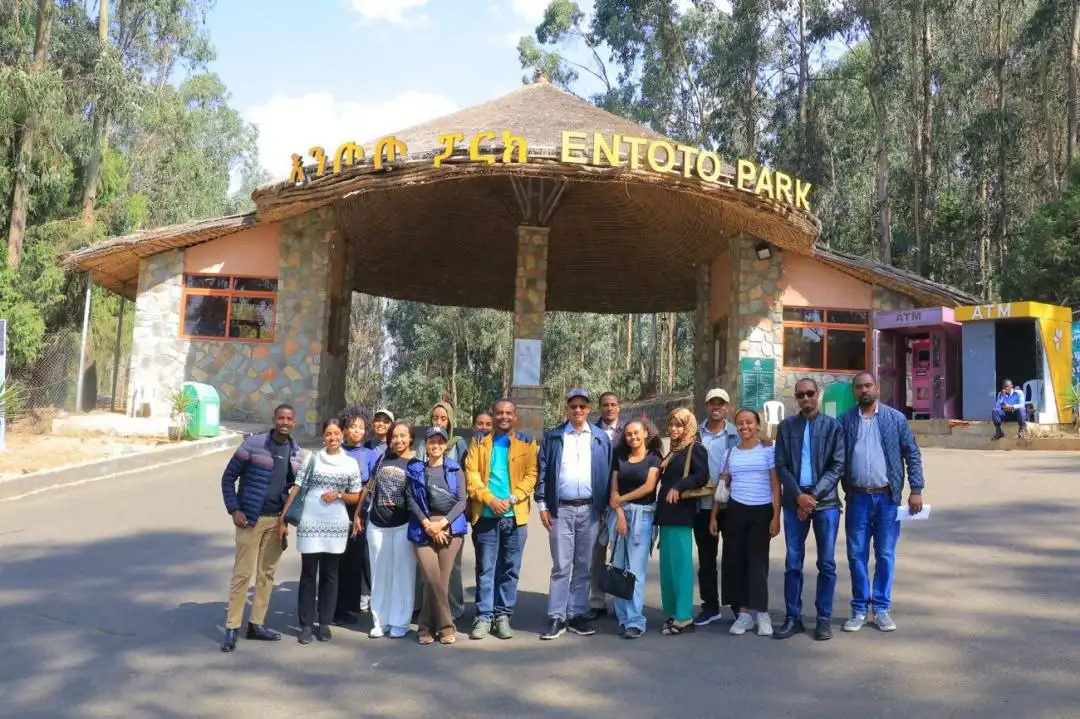 Professor Yacob Arsano, professor of political science and a noted commentator on water diplomacy, explained that Entoto’s upland streams and sacred watershed areas, including St. Debre Raguel and St. Mariam Church catchments, are vital headwaters that feed downstream users and shape Addis Ababa’s broader hydrological resilience. “You cannot talk about national development without securing the sources of our water,” Professor Yacob said, addressing the students. “Protecting Entoto’s forests and springs is as much a security and livelihoods issue as it is a heritage one. I urge the Ministry of Water and Energy, the Addis Ababa City Administration, and the Ministry of Culture to coordinate closely on basin protection and palace‑campus development.”
Drawing on decades of academic and policy experience, Professor Yacob also reflected on the Grand Ethiopian Renaissance Dam (GERD) negotiations, tracing lessons from past diplomatic efforts and advising a balanced approach that safeguards national developmental goals while pursuing cooperative regional water management. “Peaceful negotiation and sound hydrological science must guide our diplomacy,” he said, recommending sustained investment in watershed monitoring, community engagement, and multi‑stakeholder water governance as essential complements to large infrastructure projects.
At the top of the mountain, the students toured the Emperor Menelik II palace complex, established in 1883, where the palace and the nearby octagonal Entoto Maryam (St. Mary) Church, which houses a museum curator, provided a guided account of the site’s artifacts and symbolism. The curator described items on display—crowns, traditional robes, a royal bed, and a mirror reportedly gifted by Queen Victoria to Empress Taitu—and underscored the palace’s dual value as a cultural treasure and a potential tourism anchor. “This palace tells the story of modern Addis Ababa’s origins. It deserves careful campus development and interpretive conservation so future generations can learn from it,” the curator told the visiting group.
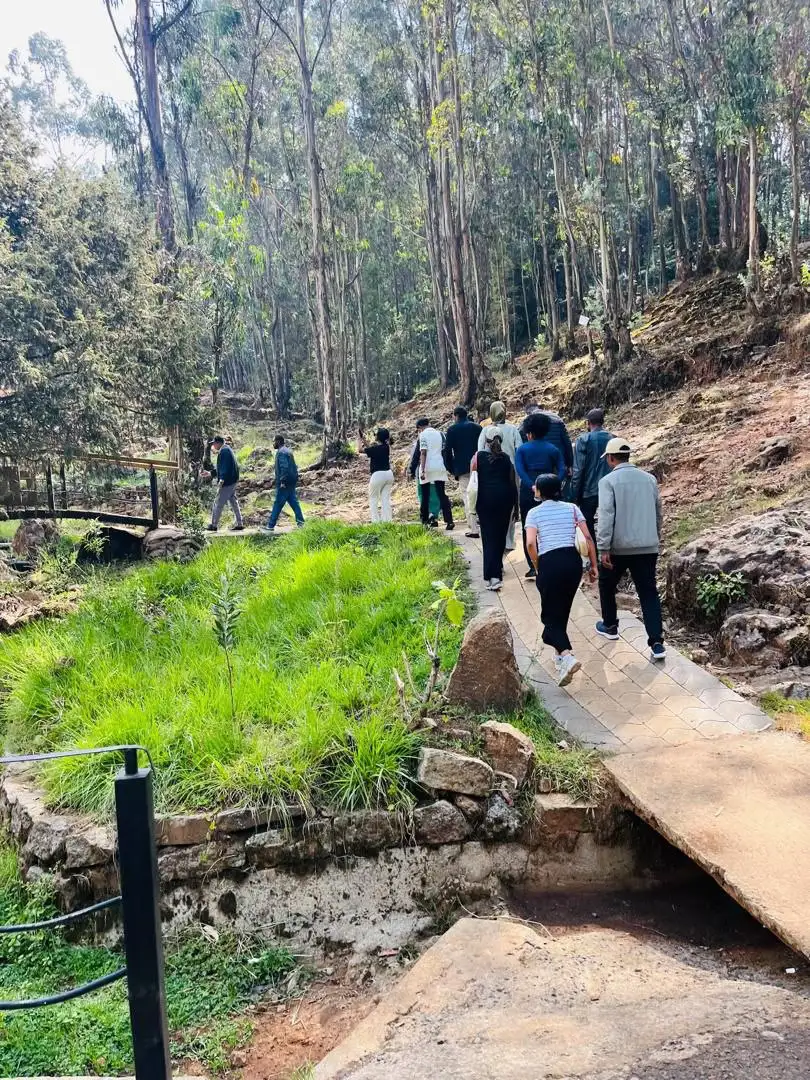
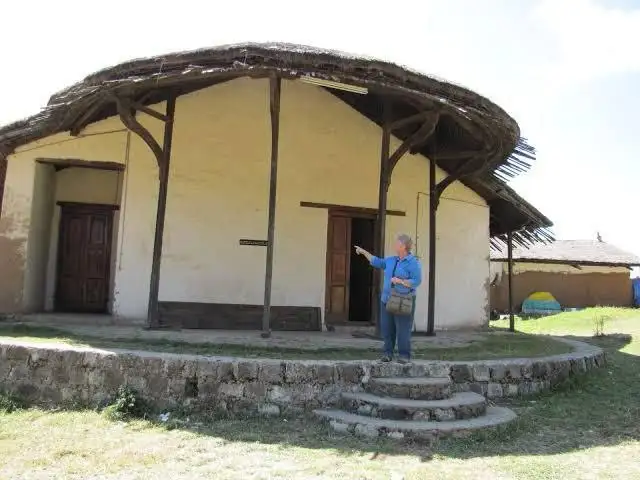
Students participating in the trip said the hands‑on exposure was inspiring and helped them visualize theoretical concepts discussed in their course, Hydro politics in Northeastern Africa and the Middle East. One student noted how the visible erosion channels, historic eucalyptus groves, and sacred springs illustrated the fragile balance between urban expansion and watershed health. Professor Yacob responded by outlining practical steps students can take in research and advocacy, including baseline water-quality monitoring, participatory land-use planning with local communities, and policy briefs for municipal authorities.
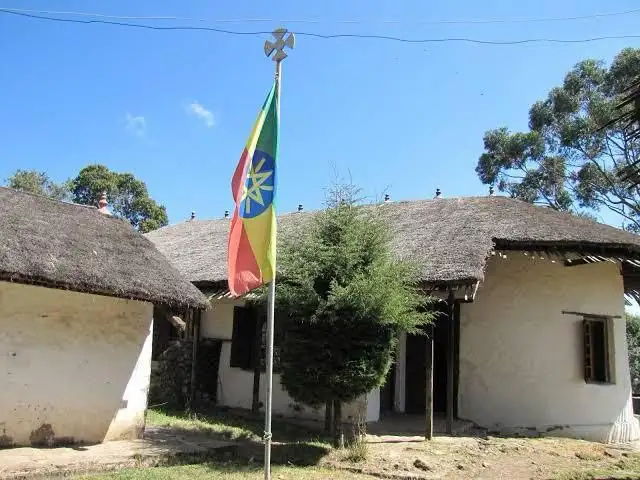
Entoto Maryam Church, founded in 1877, and the surrounding palace complex are central to Addis Ababa’s historical narrative; the first eucalyptus trees imported from Australia also stand within the vicinity. As Addis Ababa pursues corridor development to modernize the capital, Professor Yacob and visiting experts recommended aligning infrastructure projects with long-term ecological monitoring and heritage preservation measures. He pledged to mentor student research projects that will feed data and policy recommendations to city planners and national ministries, signaling a practical bridge between academic inquiry and public policy aimed at securing both water resources and cultural legacy atop Mount Entoto.