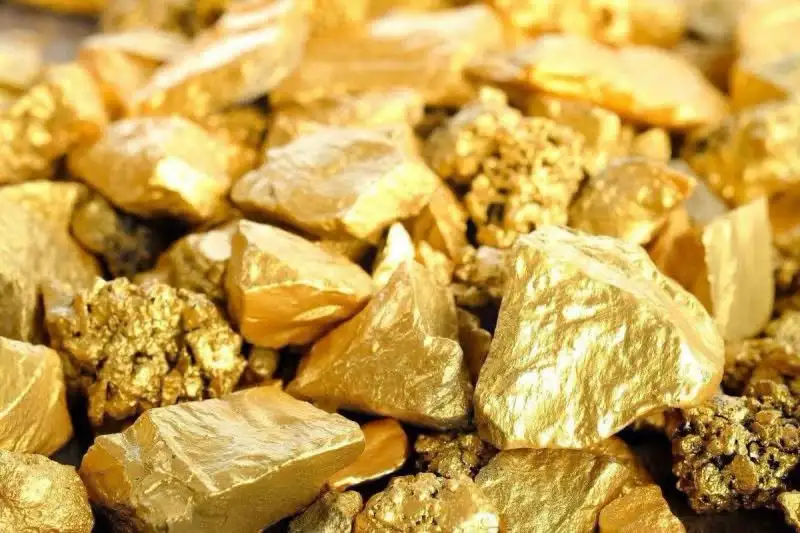
Ethiopia is accelerating its path toward economic prosperity by tapping into its extensive underground mineral wealth, with sweeping sector reforms establishing gold production as a powerful new driver of national growth.
Once defined by underutilization, low returns, and illicit trade, the mining sector has undergone a major transformation. Driven by targeted policy reforms and a crackdown on illegal trafficking, the nation generated an unprecedented $5.7 billion from gold production in a single year. This single-year milestone exceeds the $3.7 billion collected across the entire 27-year period preceding recent economic reforms.
This rapid expansion has positioned gold to challenge coffee—long the country’s primary foreign exchange earner—for top economic standing by redirecting national resources away from informal channels into structured management. Moving beyond raw exports, Ethiopia is currently constructing its first major gold refinery to process minerals domestically and maximize value on the global market.
Strategic developments such as the Kurmuk Gold Project in the Benishangul-Gumuz Region, the Tulu Kapi development, and new mining sites in Gambella are establishing the country as a regional gold hub. Beyond gold, substantial deposits of lithium, Afar Dallol potash, tantalum in the South and Oromia regions, coal, and precious gemstones are drawing growing interest from global investors.
Efforts to formalize artisanal mining, substitute imported mineral products with local alternatives, and launch major industrial facilities like Lemi Cement are further propelling the country's industrial transition. By securing mining zones against contraband and enforcing regulatory oversight, Ethiopia is leveraging its strategic minerals to expand foreign reserves, create widespread employment, and build a lasting foundation for national prosperity.