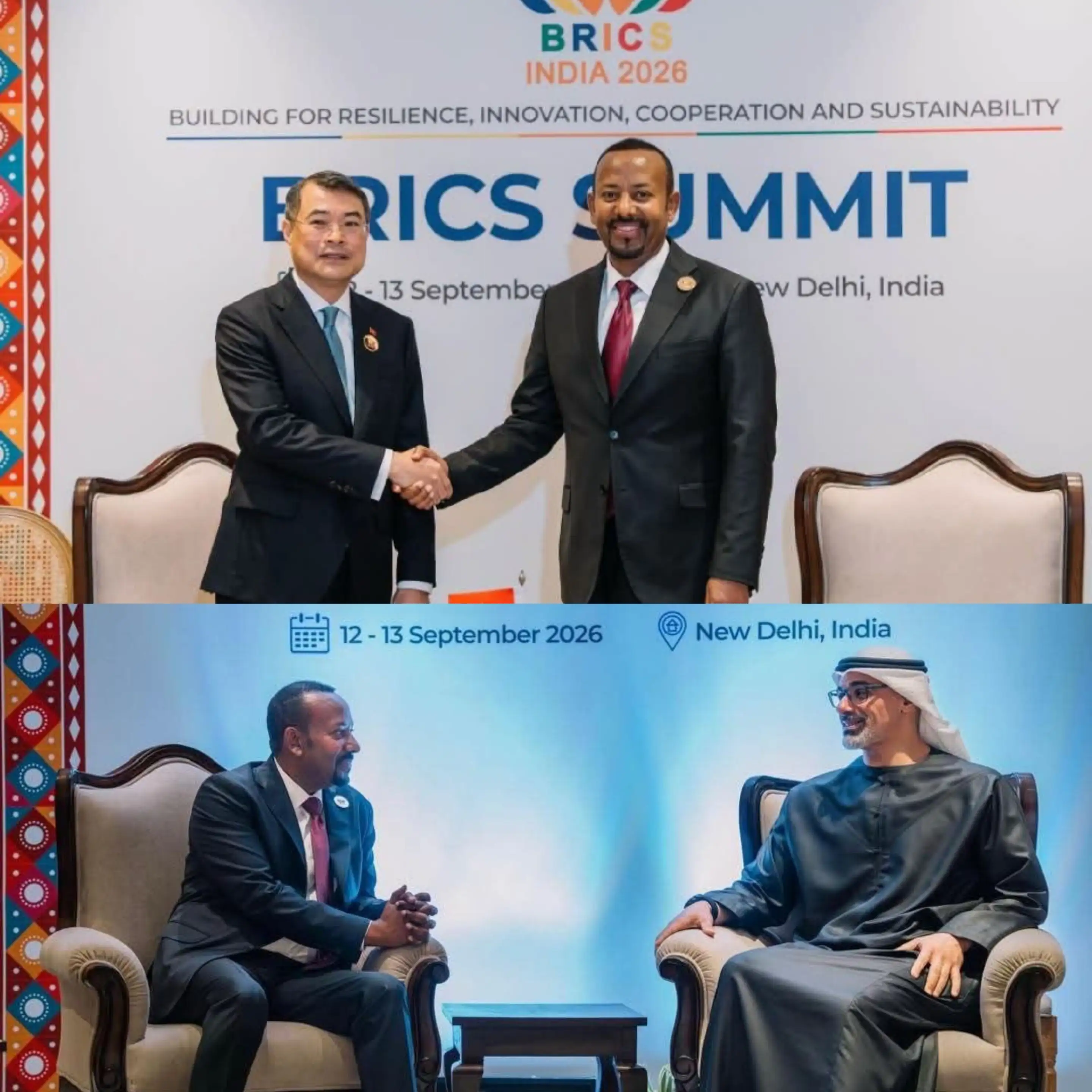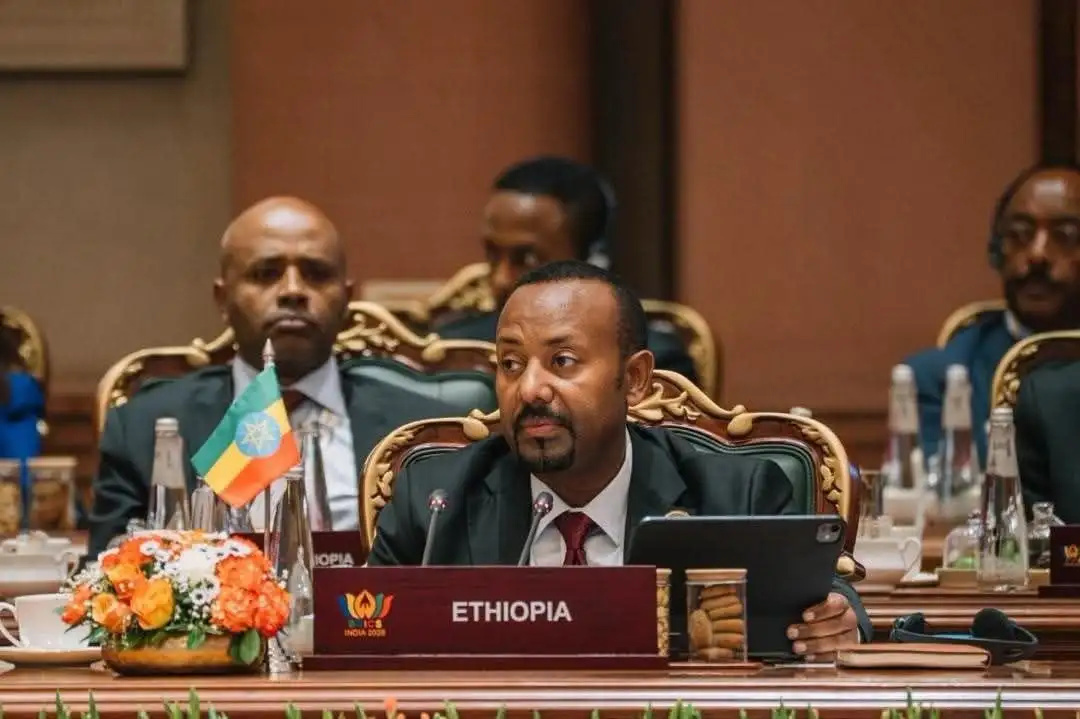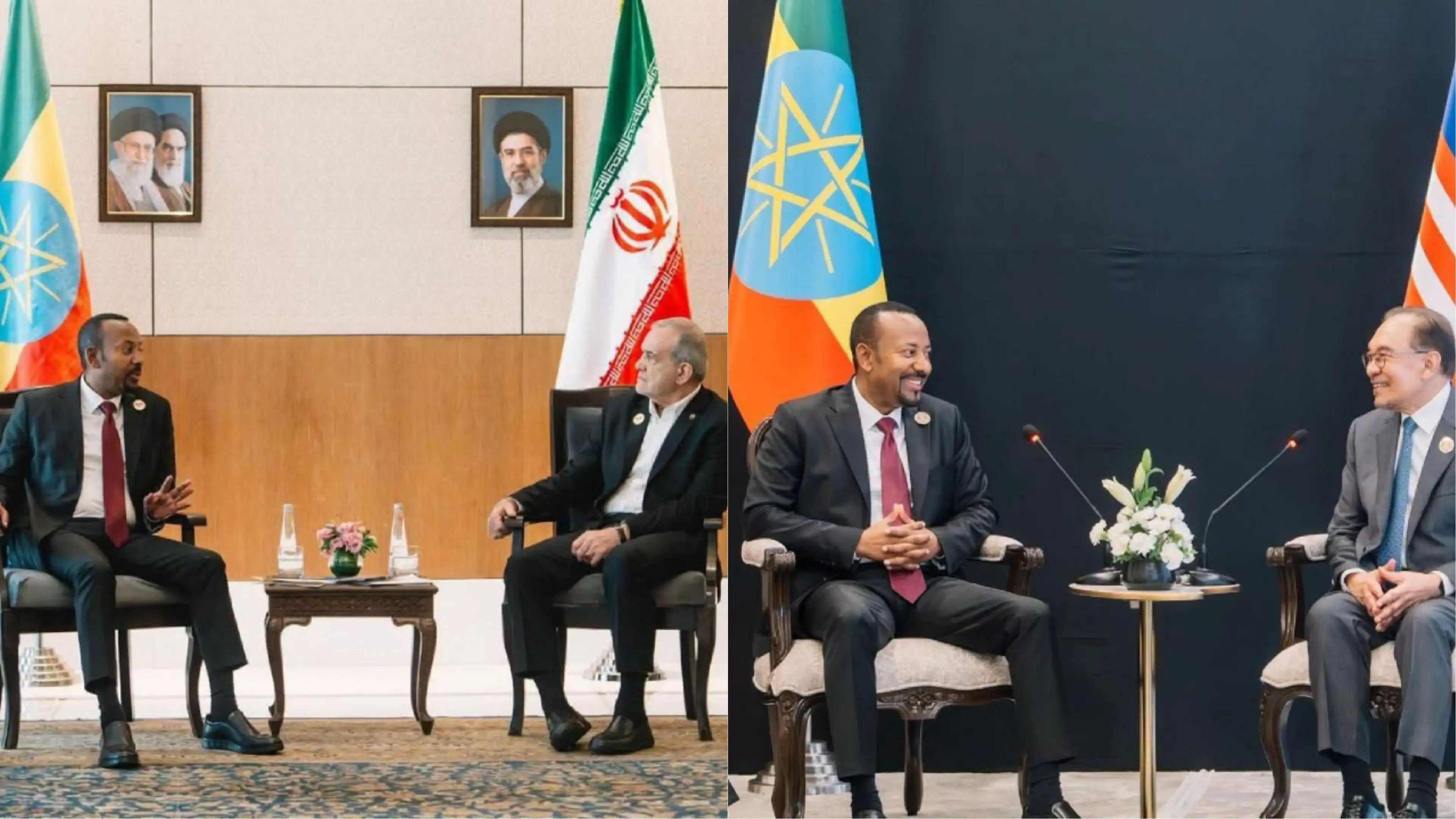
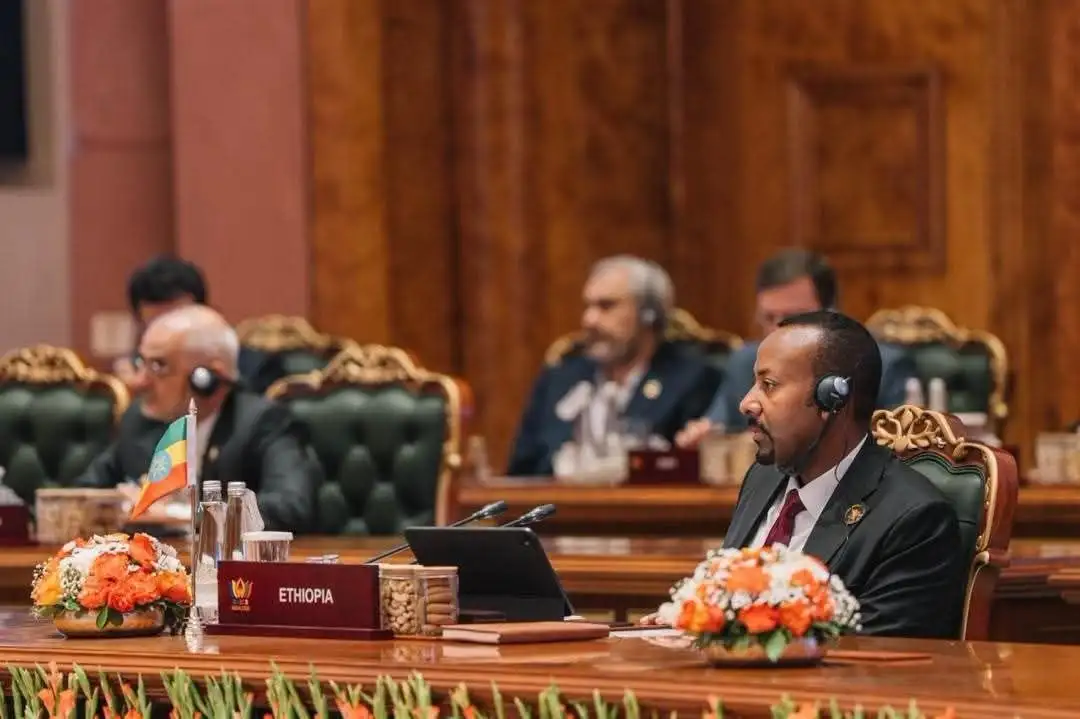
Setting out an ambitious vision for Africa’s economic and technological future, Prime Minister Abiy Ahmed(PhD) urged BRICS nations to join forces with the continent to build African-centered artificial intelligence, process critical minerals locally, and overhaul a slow-moving global financial system.
Speaking at the 18th BRICS Summit in New Delhi—held under the theme "Building Resilience, Innovation, Cooperation, and Sustainability"—the Prime Minister framed technology, green growth, and industrial partnership as deeply intertwined pillars essential for Africa’s next chapter. On the sidelines of the summit, he held bilateral talks with Indian Prime Minister Narendra Modi to advance defense ties, technology transfer, capacity building, mining development, and strategic collaboration ahead of COP32.
A central focus of Prime Minister Abiy’s address was the urgent need for BRICS cooperation to build AI technology that genuinely understands and serves the African continent. Highlighting Ethiopia's commitment through the establishment of the Ethiopian Medemer Artificial Intelligence University, he affirmed support for ethical, human-centered AI governance that pairs robust policy with practical operational capacity.
Pointing to Ethiopia's expanding digital public infrastructure, digital ID systems, payment networks, and data security regulations, he noted that AI will accelerate this broader digital transformation. He urged that the next generation of AI must be multilingual, culturally inclusive, and grounded in broad human knowledge, calling on Africa to play an active role in its development through expanded research, computing power, skill development, and strong governing institutions.
Turning to economic collaboration, the Prime Minister emphasized that key future drivers—including the energy transition, modern manufacturing, and the digital economy—are heavily dependent on critical minerals. With Africa holding vast mineral reserves, he urged BRICS members to combine their capital, technology, and market access with these raw materials to create higher value locally where the resources are extracted. He expressed Ethiopia's full readiness to build strong partnerships around its mining, renewable energy, and expanding industrial sectors. He noted that Ethiopia serves as an ideal continental platform due to its global airline connectivity, electricity exports to neighboring nations, and role as host to the African Union, adding that Ethiopia supports a strong consultative framework between BRICS and the AU to align with Agenda 2063.
Addressing environmental priorities, Prime Minister Abiy explained that Ethiopia's climate action and economic transition are deeply intertwined, driving progress across taxation systems, urban infrastructure, and investment growth. He highlighted the nation's Green Legacy Initiative, which has seen 56 billion saplings planted over the past eight years, while stressing that emerging technologies must be deployed responsibly and effectively to mitigate climate impacts.
Looking ahead to hosting the COP32 climate conference in Addis Ababa in 2027, he expressed that Ethiopia views this role as a solemn trust to deliver concrete, hope-filled results and eagerly looks forward to warmly welcoming international guests to the capital. To turn shared priorities into formal agreements before COP32, he proposed creating a "BRICS Coordination Track" while advocating for practical climate finance solutions that build resilience and economic strength without adding to national debt burdens.
Touching on the international financial system, the Prime Minister shared insights from Ethiopia’s recent fundamental economic reforms and foreign investment restructuring. He emphasized that because delays impose heavy costs on strained economies, global debt solutions must be rapid, transparent, and predictable.
Concluding his remarks, he highlighted that streamlining cross-border payments and expanding the use of local currencies within the BRICS framework will reduce transaction costs and significantly accelerate international trade.