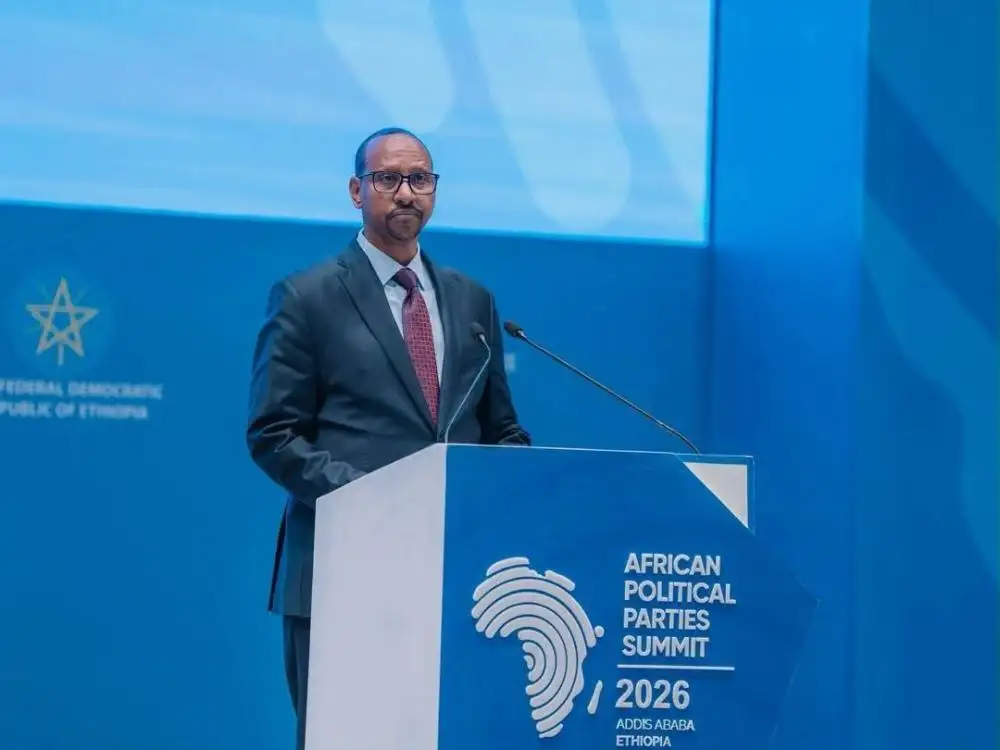
Prosperity Party Vice President Adem Farah has stressed that Medemer serves as a vital guiding philosophy for overcoming political fragmentation, mobilizing the nation’s diverse capabilities and achieving inclusive prosperity.
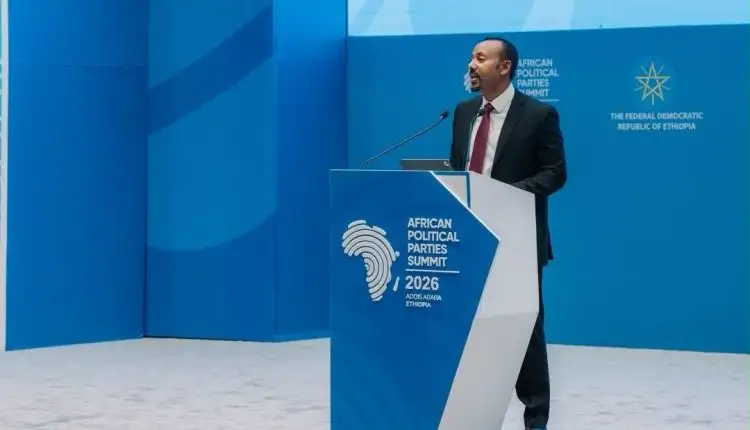
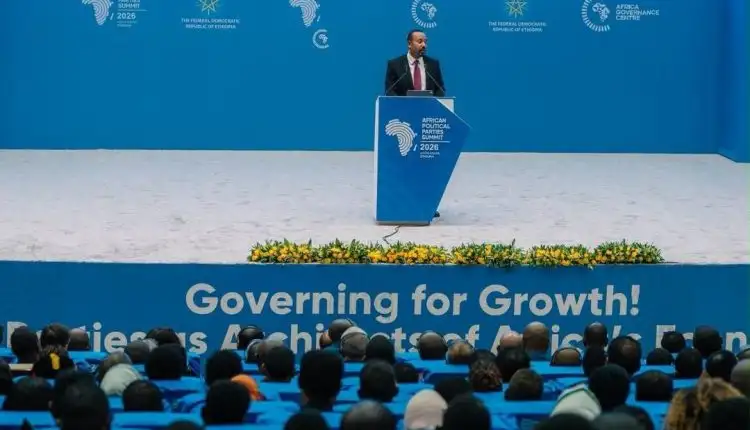
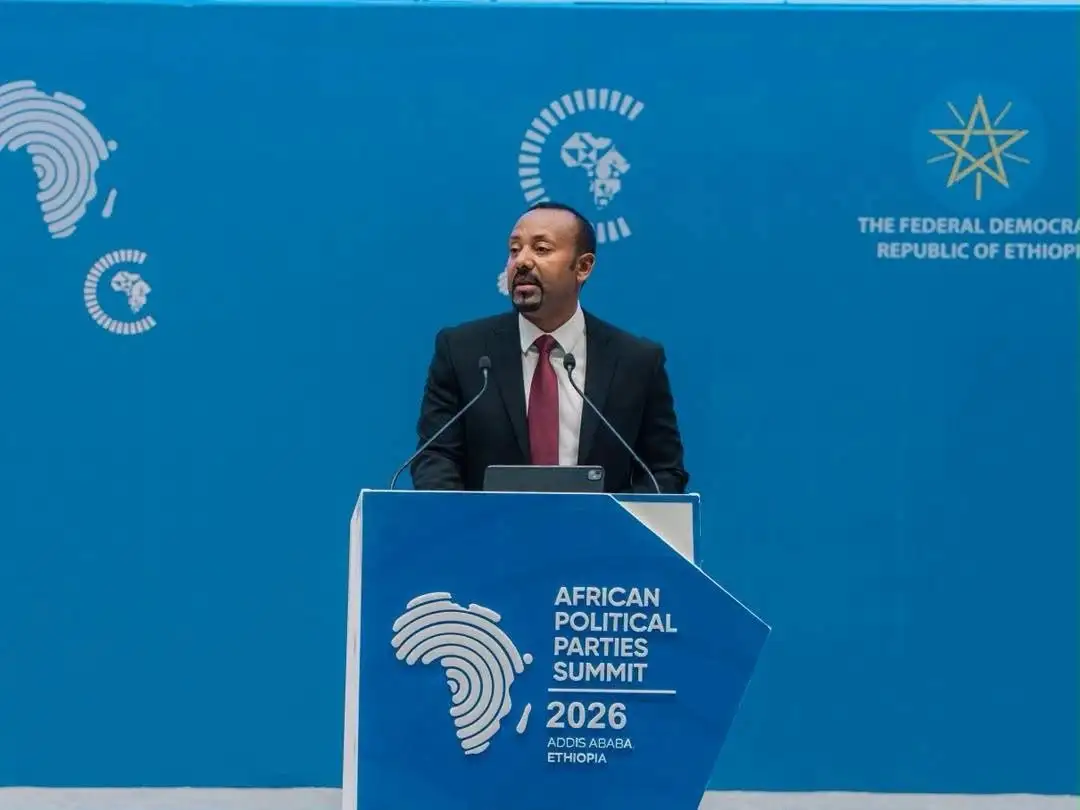
Speaking at the opening of the Second African Political Parties Summit at the Adwa Victory Memorial in Addis Ababa, Adem, who also serves as Coordinator for Democratic System Building with the rank of Deputy Prime Minister, urged political parties to move beyond electoral competition. Instead, he said, they must become engines of national transformation by generating ideas, nurturing leadership, reconciling competing interests and sustaining development efforts across electoral cycles.
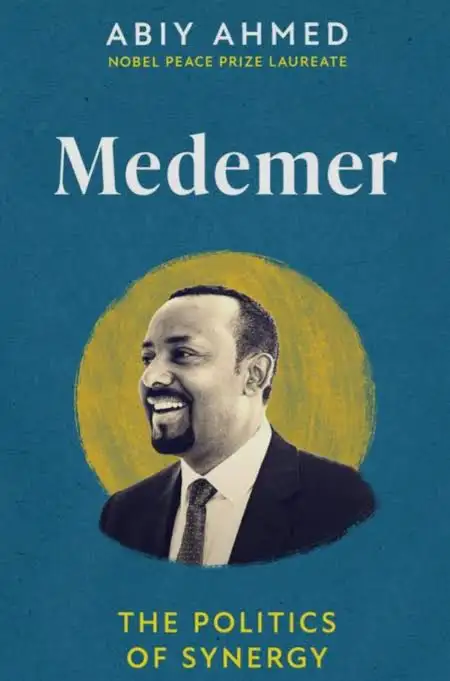
Medemer, an indigenous philosophy developed by Prime Minister Abiy Ahmed, promotes the pooling of people’s potential, institutional strengths and accumulated achievements around shared national goals, Adem explained. It offers a framework for healing historical divisions and political fragmentation while fostering collective responsibility and holistic prosperity for present and future generations.
Drawing on the Prosperity Party’s own experience, Adem noted that its formation united previously separate political organizations under a single national institution, aiming to broaden participation and bring diverse communities together. The party’s priority, he stressed, is to convert its large membership into genuine institutional strength through continuous capacity building, leadership development and disciplined internal governance. Its performance evaluation system rewards competence and integrity, identifies weaknesses and reinforces accountability among leaders and members.
On inclusiveness, Adem highlighted ongoing engagement with other political organizations through the Ethiopian Political Parties Joint Council and wider dialogue platforms focused on peace and democracy. He pointed out that leaders from competing parties have been given public responsibilities at various levels, describing this as a deliberate effort to harness diverse talents, expand participation and strengthen shared national stewardship. Such cooperation, he added, must respect institutional mandates and the distinct identities of parties while preserving meaningful political competition.
Turning to Africa’s wider challenges, Adem said the continent’s economic transformation hinges on political parties’ capacity to attract investment, develop human capital, foster innovation, strengthen institutions and turn national potential into productive capabilities. He called for a political culture that balances competition with cooperation and ambition with accountability, insisting that parties should ultimately be judged by their contribution to improving citizens’ lives.
Invoking Ethiopia’s historic victory at the Battle of Adwa in 1896, Adem said the country’s success in overcoming colonial aggression through unity and collective purpose remains an enduring lesson for Africa. He urged African political leaders to draw inspiration from that legacy by deepening continental solidarity, building institutions that uphold human dignity and expanding opportunities for all citizens.
The Second African Political Parties Summit is taking place in Addis Ababa under the theme “Governing for Growth: Political Parties as Architects of Africa’s Economic Future.” It brings together political leaders and stakeholders to examine the role of parties in driving economic transformation and inclusive development across the continent.