
By: Fistum Getachew
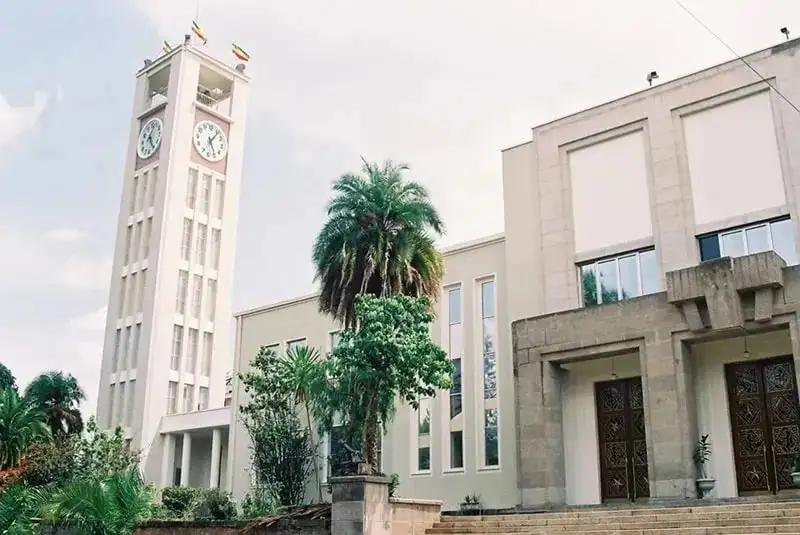
A few days ago the Addis Ababa University has celebrated its 75th anniversary with various events including lectures. Addis Ababa University (AAU), is definitely the leading university in Ethiopia beside being the leading center in the teaching-learning process as well as research, and community services. It was established in 1950 as the University College of Addis and is hence the oldest higher learning institution in the east African country. Once it was called Haile Selassie University until the military government which ruled Ethiopia from 1974 up to 1993 changed the name to the current one: Addis Ababa University-AAU.
Currently AAU has 10 colleges, 3 institutes that run both teaching and research, and 8 other research institutes that predominantly conduct research. These academic units are composed of 55 departments, 12 centers, 12 schools, and 2 teaching hospitals, according to information displayed in AAU’s website.
Across the past seven decades, AAU has grown exponentially and has continued to contribute to the growth of the country with its undergraduate studies as well as postgraduate ones. Some critics have been directing views disapproving of what exactly the university has done alleging that most of its programs are a reflection of foreign curricula and do not exactly respond to the actual needs of Ethiopia.
They argue the university focuses mostly on theoretical ideas and is not guided by the tangible reality of Ethiopian society. Some have even gone to the extent of questioning the necessity of the very existence of such a school arguing that it would have been better to establish other learning institutions which may focus more on particularly the major challenges of the country and be of immediate use in terms of addressing them.
Various and extensive debates and discussions have been made regarding the exact mandate and mission of the AAU in particular and others which were founded after it. Questions have arisen on what exactly the university has achieved considering its old age and what are the weaknesses and strengths of the university. How does it compare with other higher learning institutions in foreign countries and today as it celebrates its 75th anniversary the question should come out even in stronger terms.
The dramatic rise in student numbers has led to a corresponding growth in faculty and staff figures. Today the university avails of nearly 9 thousand employees running 66 undergraduate and 350 graduate programs. It is reported that about 300,000 students have been graduated from this prestigious institution. Once the only university, today the number of universities in Ethiopia has grown to more than 30 but many of them have been criticized for being not up to the standard that is required of a good educational institution.
In any case, Addis Ababa University has been undertaking various reform measures to cope with and respond to the fast-changing national and international educational dynamics. The university now has 10 colleges, 3 institutes that run both teaching and research, and 8 other research institutes that predominantly conduct research. These academic units are composed of 55 departments, 12 centers, 12 schools, and 2 teaching hospitals.
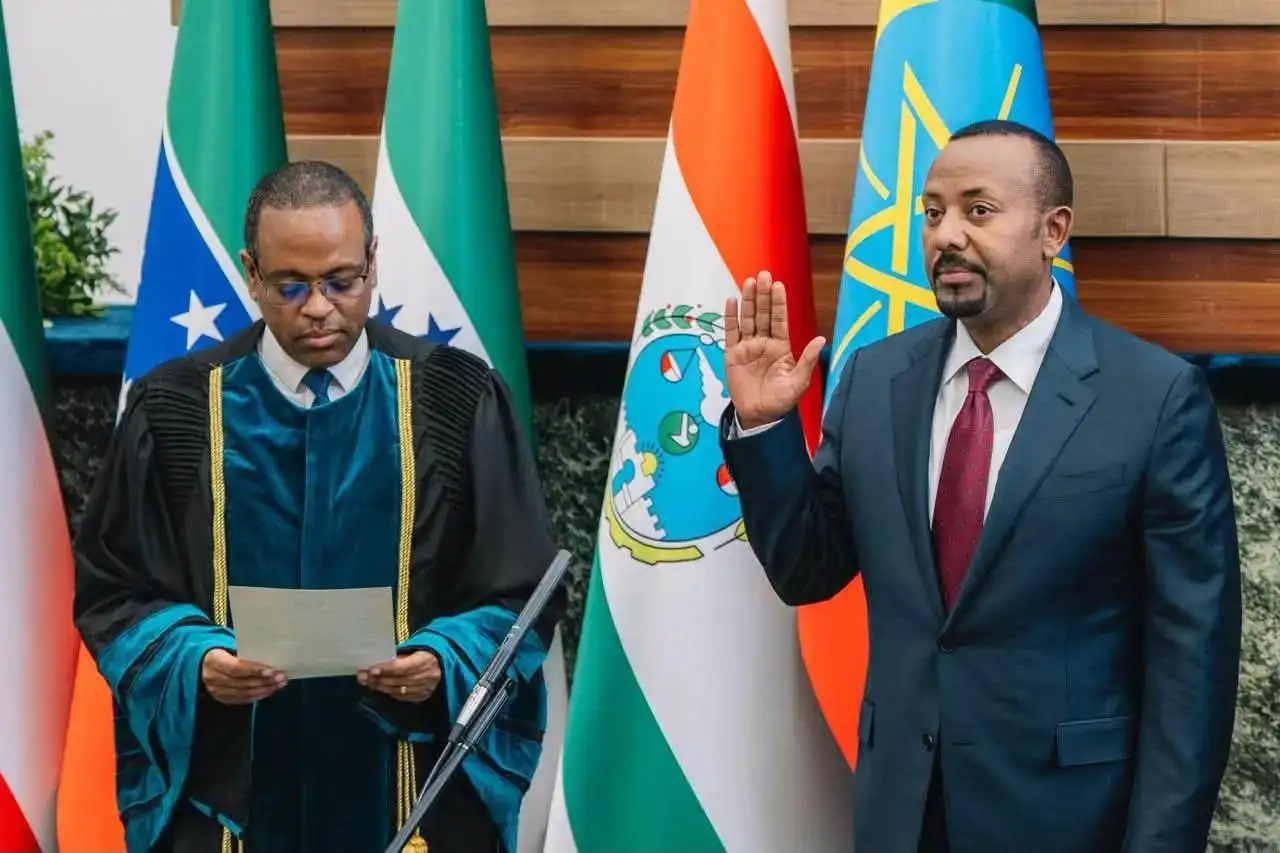
Delivering a guest lecture titled “The Role of Intellectuals in National Prosperity” on the occasion of the university’s 75th anniversary, Prime Minister Abiy Ahmed (PhD) spoke before academic leaders and senior government officials. The lecture was delivered at the conclusion of a series of programs and presentations held over the past few weeks to commemorate the milestone.
The premier stated that intellectuals must build a dialogue-driven generation to strengthen national unity.
He has stressed that Ethiopia’s intellectuals must translate knowledge into action, foster a culture of dialogue, and work to create a united, forward-looking generation that can drive the country toward prosperity.
On the occasion of the university’s 75th anniversary the premier was invited to deliver a lecture to the academic leaders and senior government officials entitled “The Role of Intellectuals in National Prosperity.”
In his lecture the Prime Minister highlighted the critical role of intellectuals in shaping Ethiopia’s future, explaining that they must generate practical ideas and solutions that can be implemented for the benefit of society. He noted that the government is ready to support intellectuals whose ideas are coherent, tangible, and capable of producing meaningful impact.
On the occasion the Prime Minister has called upon Ethiopian scholars to exercise stronger intellectual leadership by forging a shared national narrative vital to breaking free from poverty and achieving sustainable prosperity.
He emphasized that intellectuals should go beyond their campuses to engage society, reconcile with themselves, and contribute actively to national progress. Knowledge alone, he explained, is insufficient; translating ideas into action is central to achieving lasting prosperity.
The premier also pointed out the importance of dialogue and debate, noting that Ethiopia historically lacked a culture of discussion. He said intellectuals should foster spaces where ideas can be exchanged, differences reconciled, and consensus built, adding that such a culture is essential for national unity and sustainable development.
The Prime Minister expressed his concern on the unrestricted access to technology among children which can negatively affect conversational and debating skills. Creating green spaces, libraries, parks, and other platforms that encourage dialogue and interpersonal engagement is necessary to develop a generation that values discussion, peace, and the supremacy of ideas, according to the premier.
Highlighting long-term goals, Abiy said Ethiopia is working to build a united generation within the next ten years, where all citizens enjoy equal opportunities. Intellectuals are expected to collaborate, generate ideas, and implement solutions that address societal challenges and guide policymaking, he explained.
He also stated that intellectuals should uphold the supremacy of ideas, building on the legacy of past Ethiopian scholars who emphasized fairness, societal honor, and respect. Contemporary scholars, he added, must innovate, ask questions, continuously learn, and take responsibility for implementing solutions.
The premier said that the prosperity of the country depends on a multi-sectoral economy and the active participation of diverse actors. That is why that higher learning institutions must focus on research, innovation, and solution-oriented outputs, which are critical for equipping intellectuals to actively participate in nation-building.
He noted that debating ideas and respecting the sovereignty of ideas are essential practices, explaining that discussions provide the foundation for policy formulation and that without a culture of dialogue, the country lacks the knowledge resources needed for progress.
Prime Minister Abiy Ahmed emphasized the vital role of higher education institutions in Ethiopia’s path to prosperity, noting that his new book series, “The Medemer State,” underscores this commitment.
PM Abiy concluded by emphasizing that intellectuals must work to translate their knowledge into tangible outcomes, build platforms for discussion, and develop a belief in the supremacy of ideas. He stressed that the current generation is more idea-driven than previous ones, capable of addressing complex challenges and advancing national interests, and that Ethiopia’s future depends on their active participation in building a prosperous, cohesive, and future-ready society.