
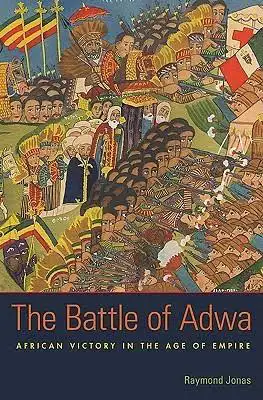
The Battle of Adwa was far more than a military clash; it was a "global" turning point that redirected the trajectory of world history, according to American historian Raymond Jonas. In his seminal work, The Battle of Adwa: African Victory in the Age of Empire, Professor Jonas argues that Ethiopia’s triumph did more than just preserve its borders during the colonial era—it decisively dismantled the contemporary myth of European invincibility.
The study emphasizes that the victory was a masterpiece of both military valor and sophisticated diplomacy. Professor Jonas highlights the "intellectual warfare" waged by Emperor Menelik II and Empress Taytu, who effectively used Ethiopia’s ancient heritage to win over international public opinion. This dual strategy of battlefield prowess and diplomatic savvy forced the Western world to view an African power as a legitimate peer for the first time.
Beyond the borders of East Africa, the victory acted as a catalyst for the global Pan-African movement, serving as a moral backbone for civil rights struggles across the diaspora. Described by Jonas as the "founding event" of the modern Ethiopian state, the battle saw various ethnic groups unite to secure a shared national identity. The fallout was so significant that it triggered a political crisis in Europe, leading to the collapse of the Italian government of the day. For Professor Jonas, Adwa remains a universal symbol of liberation, cementing its place not just in African records, but as a landmark achievement for all of humanity.