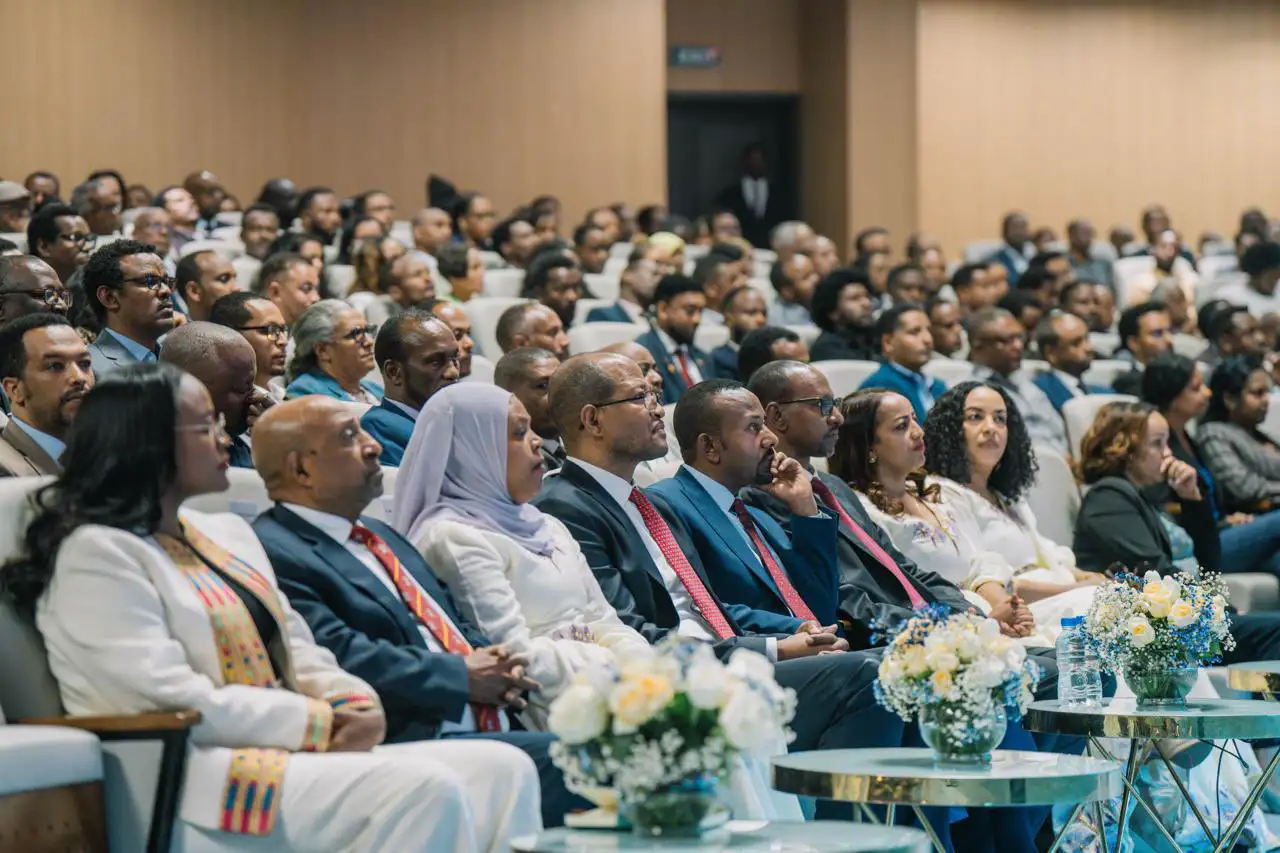
Ethiopia has achieved a broad structural transformation across its social and economic spheres over the last eight years, according to major success stories presented today at a high-level consultative forum attended by Prime Minister Abiy Ahmed. Under the theme “Social Development for Nation Building,” the forum detailed how the government has systematically closed development gaps through sweeping policy changes and massive infrastructure expansion.
A primary pillar of this transformation has been the labor and skills sector, where the modernization of vocational training and the expansion of business incubation centers have facilitated employment for nearly 20 million citizens both at home and abroad. This economic push is mirrored in the women and social affairs sector, which has successfully enhanced the political and economic participation of 26.8 million women and 4.3 million youth while strengthening protections for vulnerable populations.
The forum also highlighted significant shifts in basic services:
Education: The implementation of a new curriculum and the modernization of national examination systems have been utilized to restore the credibility and quality of the sector.
Health:For the first time in three decades, the national health policy was revised to balance prevention with curative services, yielding advancements in digital health and domestic financing.
Culture and Sports: To bolster national unity and diplomacy, the government has oversaw the development of 100,000 new sports infrastructures, including the Adey Abeba Stadium, and the construction of 36 cultural centers.
Collectively, these achievements demonstrate a strategic pivot toward digital transformation and human capital development. Prime Minister Abiy Ahmed’s presence at the forum underscored the government's stance that these social sector gains serve as the essential, sustainable foundation for the ongoing process of nation-building.