
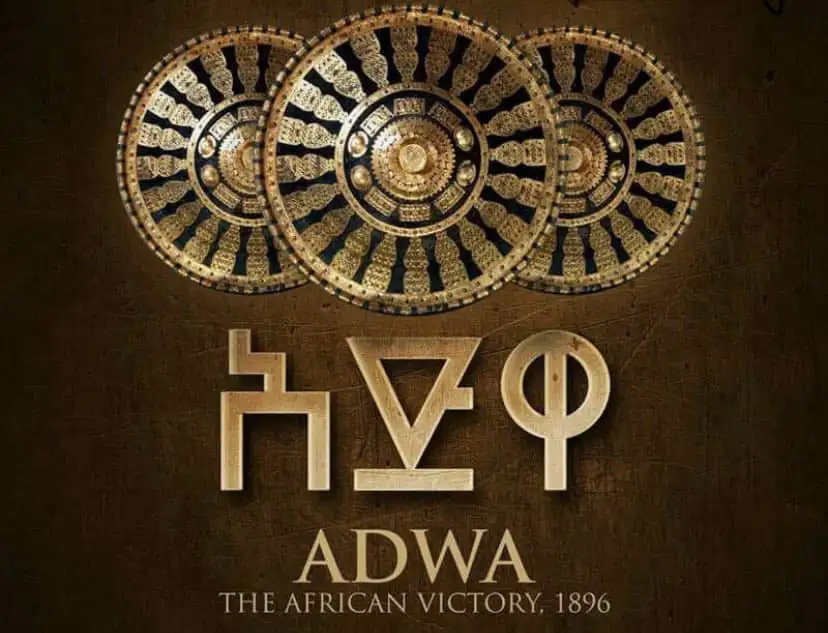
The Victory of Adwa was far more than a triumph on the battlefield; it represented a seismic shift in global affairs that secured Ethiopia’s prestige on the international stage. When an Italian force of more than 20,000 soldiers—backed by the height of 19th-century military technology—attempted to dismantle Ethiopian sovereignty, they were met by a nation united. Responding to the call of their leaders, Ethiopians from every corner of the country converged to deliver a definitive blow to colonial ambitions.
This defining moment did not just elevate the national spirit; it rewritten the rules of engagement between African and European powers. By 1896, the Italian government was compelled to sign the Treaty of Addis Ababa, a humilitating but necessary concession that forced the formal recognition of Ethiopia’s absolute independence and sovereignty.
The geopolitical ripples were felt immediately. In the wake of the victory, global powers including Great Britain, France, and Russia moved swiftly to establish diplomatic ties on the basis of equality, competing to open their respective embassies in the capital. This newfound leverage allowed Ethiopia to negotiate nine separate border treaties with neighboring colonial administrations, effectively carving out and securing the nation’s modern-day frontiers through sophisticated diplomacy.
Beyond its borders, Adwa transformed Ethiopia into a beacon of hope for Black people globally and a primary catalyst for the Pan-African movement. This legacy ultimately paved the way for the creation of the Organisation of African Unity, ensuring its headquarters remained in Addis Ababa. In an era defined by the "Scramble for Africa," Adwa ensured Ethiopia stood alone as a self-governing sovereign power—a golden chapter of history that continues to be a source of profound national pride.