
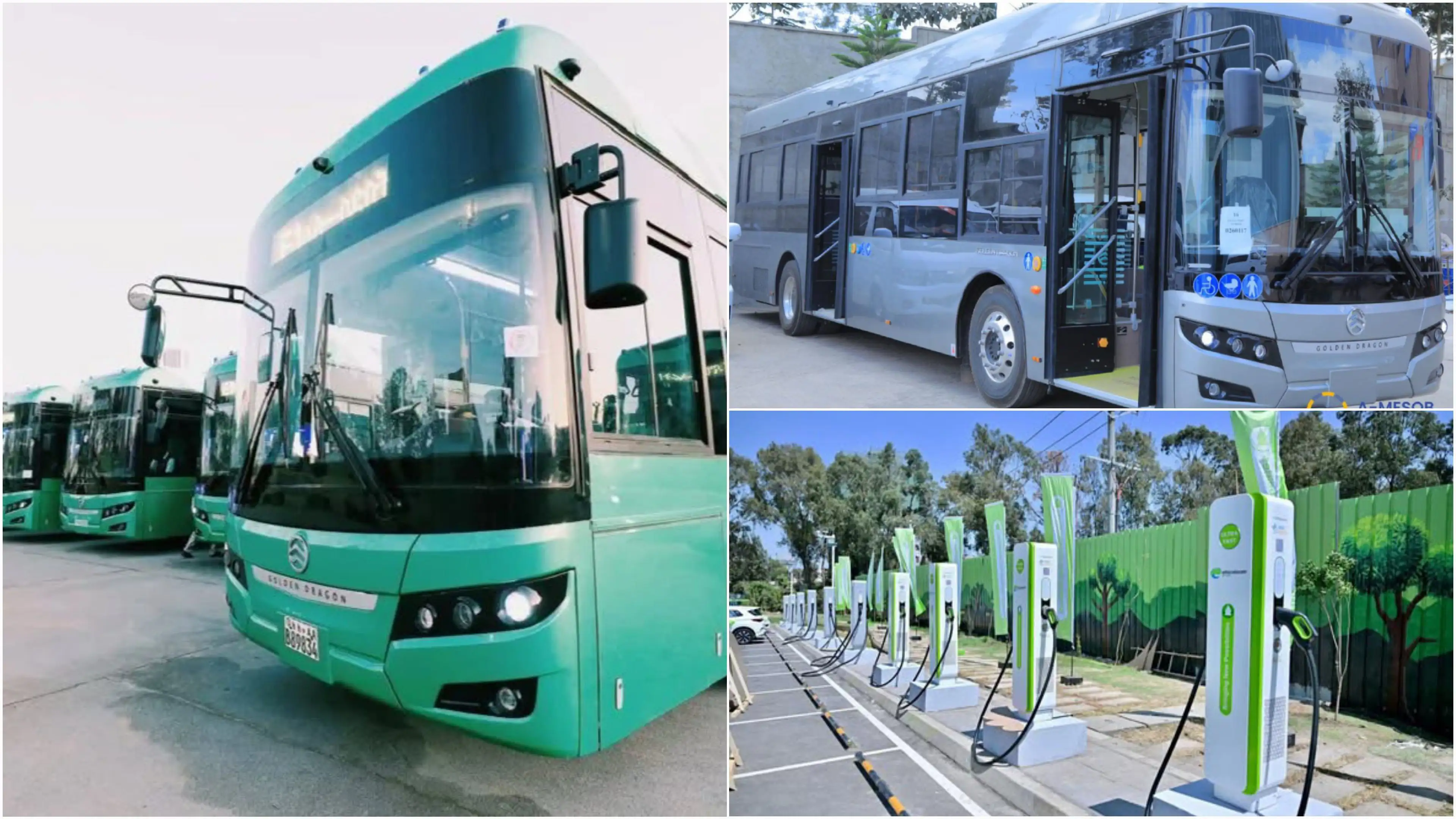
Ethiopia’s early bet on a green economy is paying off as a defensive barrier against the global energy crisis triggered by Middle East tensions and the partial closure of the Strait of Hormuz. With international oil prices surging toward $100 a barrel, the nation’s strategic shift toward renewable energy is providing a vital buffer against the economic shocks currently straining many oil-dependent countries.
In a recent address, Prime Minister Abiy Ahmed directed a policy of strict fuel austerity, mandating that limited reserves be prioritized for essential sectors like public transport, healthcare, and food logistics. This emergency response is underpinned by a bold 2024 decision to ban the import of internal combustion engine vehicles, a move that is now proving to be a prescient safeguard against market volatility.
As of February 2026, the number of electric vehicles on Ethiopian roads has surpassed 100,000, a milestone that is helping the country save over $4 billion in foreign currency annually. This transition is powered by the near-completion of the Grand Ethiopian Renaissance Dam, alongside an aggressive expansion into wind, solar, and geothermal energy. By leveraging the "Medemer" vision and the Homegrown Economic Reform agenda, Ethiopia is successfully decoupling its development from the fluctuations of the global oil market, moving toward a future defined by sustainable prosperity and genuine energy sovereignty.