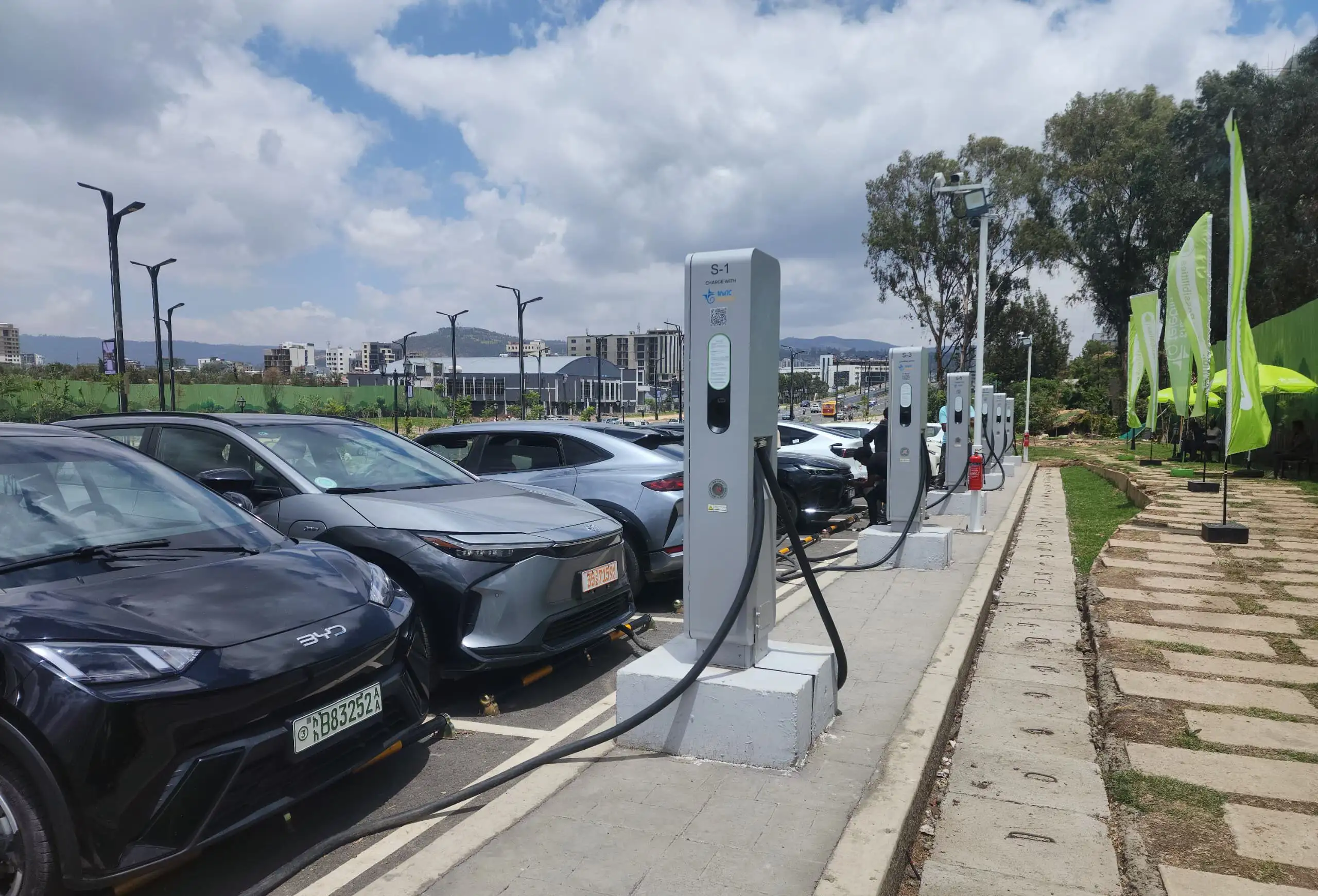
Prime Minister Abiy Ahmed (PhD) stated that Ethiopia’s widespread movement toward electric vehicle (EV) adoption is a strategic decision aimed at ensuring long-term energy security.
In an interview with Kana TV, the Prime Minister noted that while the initial direction to reduce the use of fuel-powered vehicles faced some complaints, it remains the only viable option to withstand the impact of global oil price fluctuations and geopolitical conflicts on the national economy.
Highlighting that Ethiopia is not an oil-producing nation, the Prime Minister explained that utilizing domestically produced renewable energy is essential to control the inflation that occurs whenever global oil prices rise, thereby ensuring energy sovereignty.
"Even if the cost of fuel and electricity were equal, electric vehicles would still be preferable because we produce the power right here at home; we wouldn’t face the fear of being 'shut off' as we do with imported fuel," he remarked, emphasizing the urgency of the issue and the necessity of the solution.
The Prime Minister further explained that the transition to electric vehicles does more than just save the significant amount of foreign currency earned from exports which is currently spent on fuel imports; it also plays a major role in environmental protection and easing the cost of living for citizens.
He elaborated that since these vehicles produce no smoke or noise and have significantly lower operating costs, they represent a great opportunity for both the country and the individual user.
Ultimately, he indicated that this transition is a shrewd strategic choice designed to mitigate the pressure that sudden international crises exert on the lives of citizens and the national economy.