
A nation’s sovereignty and dignity are sustained not only by safeguarding its borders, but also by achieving food self-sufficiency and securing economic independence.
Overcoming a long-standing history of aid dependency through strategic vision and a strong work ethic, Ethiopia has reached a historic milestone toward securing reliable food sovereignty.
Guided by Prime Minister Abiy Ahmed’s (PhD) mandate that “achieving food self-sufficiency is our primary national agenda,” the drive toward agricultural development and food security is yielding tangible results.
Most notably, remarkable progress in summer irrigated wheat production has marked a major milestone, advancing beyond import substitution to exporting wheat to international markets.
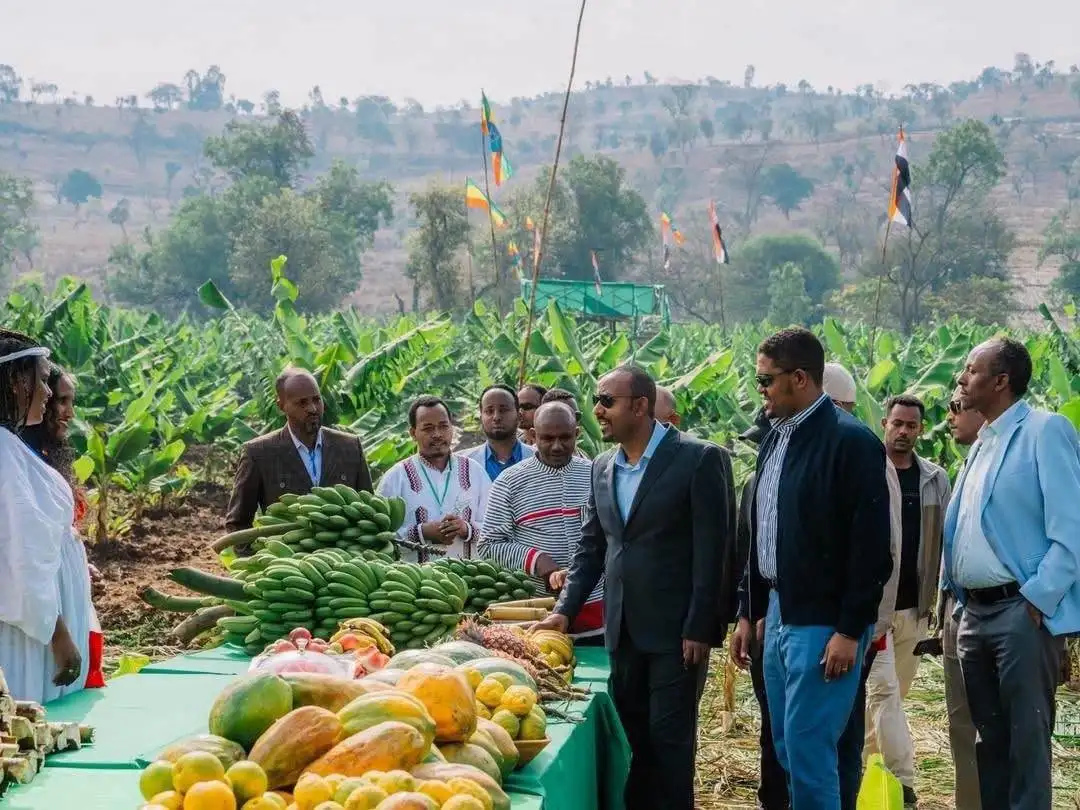
This push for food sovereignty extends beyond wheat. Comprehensive efforts are underway to sustainably secure food supplies through year-round irrigated farming, the Ye Lemat Tirufat (Bounty of the Basket) initiative, avocado and fruit cultivation, and expanded agricultural mechanization.
Ye Lemat Tirufat program plays a key economic role by improving nutritional habits, stabilizing local markets, and generating widespread employment for youth.
These practical achievements demonstrate to the world that Ethiopia possesses the capacity to feed its population by effectively harnessing its natural resources, fertile land, and water wealth.
The momentum toward agricultural modernization and self-sufficiency represents a historic step, paving the way for future prosperity and renewing generational hope.
Driven by resilience and hard work, Ethiopia continues to build its national progress on a firm foundation as it consolidates its food sovereignty.