
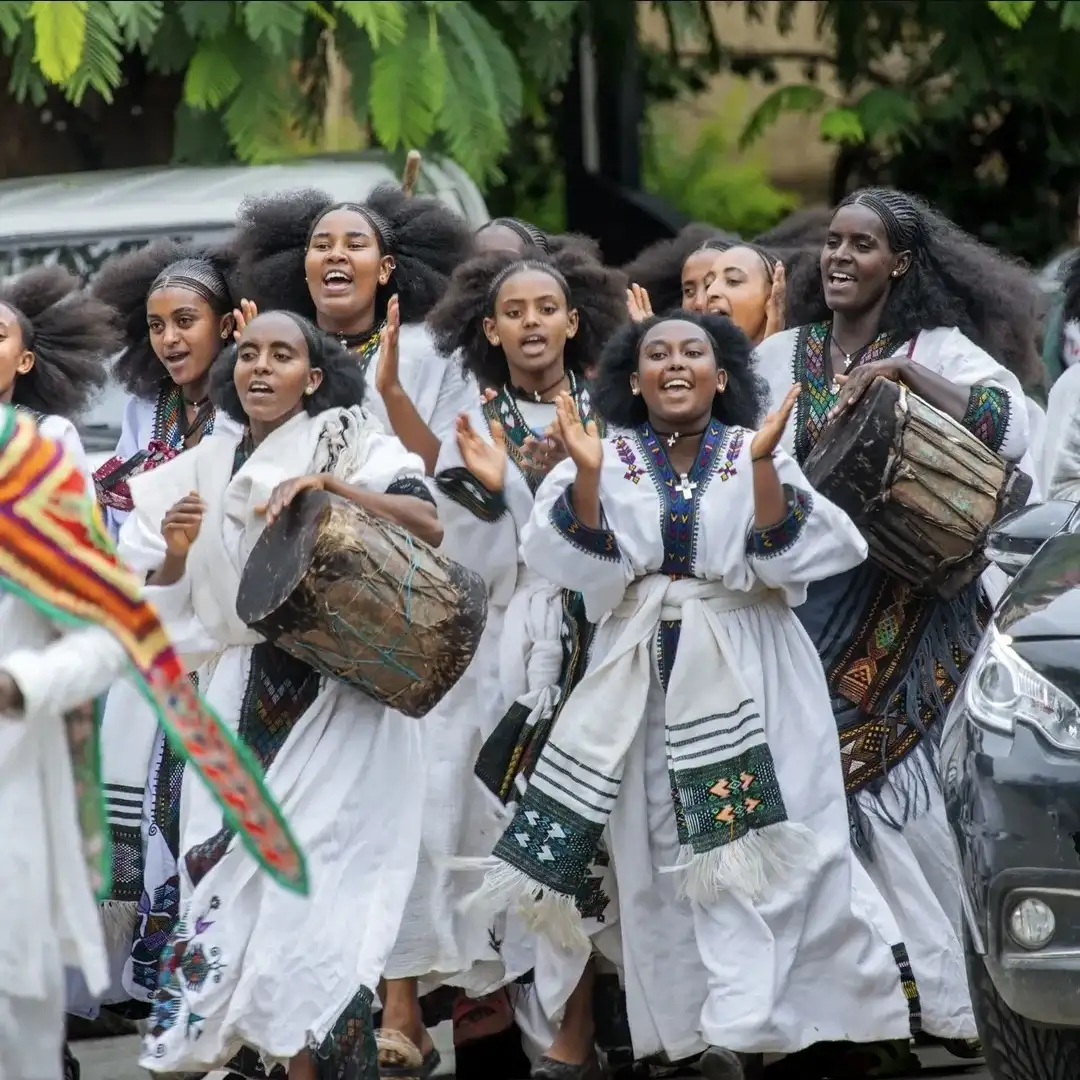
The tourism sector, often hailed as the "smokeless industry," plays a vital role in driving economic growth and shaping a nation's global image. In Ethiopia, this sector is deeply enriched by a wealth of intangible cultural and religious heritage. Among the most prominent of these are the vibrant festivals of Shadey, Ashenda, Ashendiye, and Solel. Celebrated colorfully every year starting in late August, these events serve as powerful public expressions of women’s freedom, unity, and joy.
Though their names vary across different regions, these festivals share a common root, drawing their meaning from the lush, green grass that heralds the end of the rainy season and the annual renewal of nature. During the festivities, the streets and public squares come alive as young girls and women take center stage. Adorned in striking traditional attire and elaborate jewelry, with the signature tall green grass tied around their waists, they captivate onlookers with resonant songs and energetic dances.
 While the celebrations are primarily a tribute to women's freedom and expression, men also play an active and supportive role. In the weeks leading up to the main events, men prepare by treating their hair with a natural ointment known as Batequa. Showcasing their dedication and vitality, they head out on an empty stomach to harvest the special festival grass for the women and partake in traditional spear-throwing competitions aimed at a wooden log known as Gite.
The communal spirit extends into the social and culinary traditions of the festival as well. Women prepare a special traditional dish called Askur, sparking playful and friendly competitions among the men to secure a share. As the festivals draw to a close, the concluding ceremonies beautifully highlight the community's deep-rooted values of love, mutual care, and traditional courtship.
 Ultimately, these indigenous heritages are much more than seasonal celebrations; they are profound expressions of joy that reflect the history and unified spirit of the Ethiopian people. As these rich traditions continue to bring communities together, they serve as a vivid reminder that every segment of society shares the responsibility to take pride in, carefully preserve, and respectfully pass these beautiful cultural values on to the next generation.