
In January 2024, Ethiopia made history as the first country in the world to ban the importation of gas-powered passenger cars. Driven by a commitment to combat climate change and ease severe macroeconomic pressures, this landmark policy decision directly aligns with the nation’s climate-resilient green economy strategy and its vast renewable energy capacity.
Currently spending over $4 billion annually on imported fossil fuels, Ethiopia faces a stark contrast between costly foreign oil and its abundance of clean, affordable electricity generated from hydro, wind, and geothermal sources, most notably the Grand Ethiopian Renaissance Dam. Shifting to electric vehicles has emerged as an essential strategy to substitute expensive fuel imports with cheap, domestically produced power. Beyond the financial burden, fossil fuel emissions heavily pollute the environment, directly contradicting the country’s long-term green growth objectives.
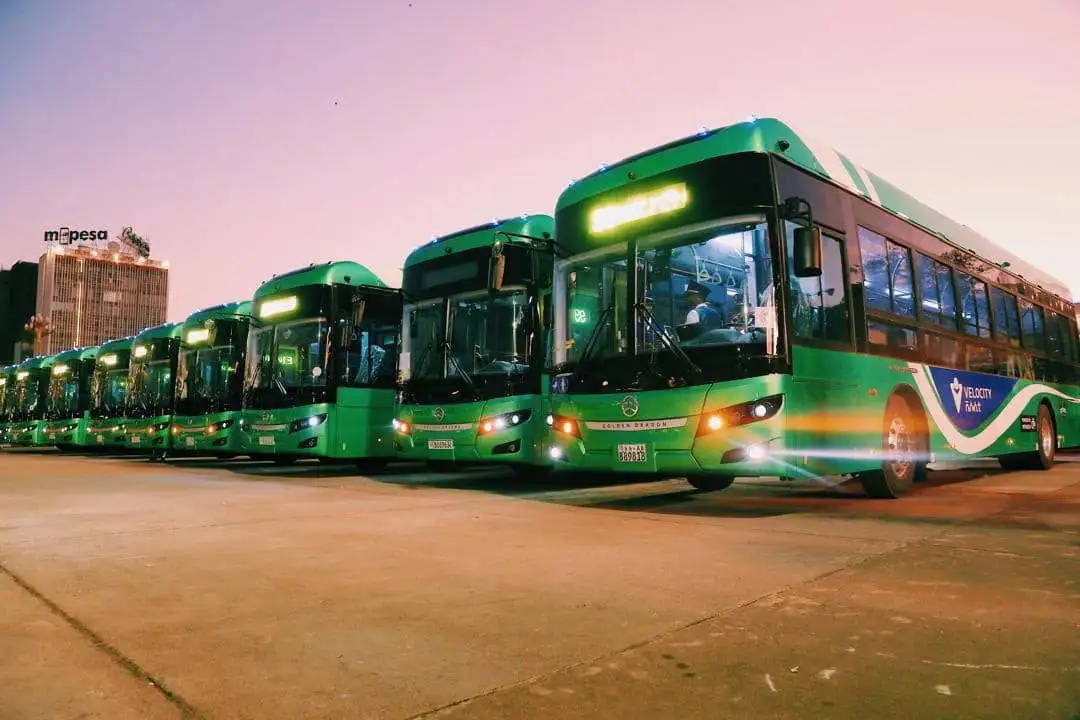
Following the import ban, the adoption of electric vehicles across Addis Ababa and other urban centers has accelerated rapidly. Official data from the Ministry of Transport and Logistics highlights a steep rise in electric vehicles on the nation’s roads. This transformation is reshaping public transit in Addis Ababa, where the city administration and private transport operators have deployed hundreds of electric buses and minibuses. As charging stations proliferate, urban air pollution is dropping while vehicle owners enjoy substantial savings on fuel and maintenance.
To build long-term sustainability, Ethiopia has paired import restrictions with sweeping tax reforms designed to foster domestic manufacturing and assembly. Under the current incentive structure, completely knocked-down kits imported for local assembly are entirely exempt from customs duties, excise taxes, and value-added tax. Semi-knocked-down kits face just a 5 percent tariff, while fully built-up imported electric vehicles incur a modest 15 percent rate.
These policy incentives have already catalyzed major private investments. The Belayneh Kindie Group operates an assembly plant in Debre Berhan capable of producing over 1,000 vehicles annually, supplying minibuses and large public transit buses to the capital. Concurrently, Green Tech Africa is expanding its manufacturing operations in Sendafa while building out public charging infrastructure, creating widespread employment opportunities in the process.
Looking ahead, Ethiopia has set an ambitious goal to establish 60 vehicle assembly plants nationwide and bring half a million electric vehicles onto its roads by 2030. Achieving this vision requires expanding charging networks beyond Addis Ababa into regional states, strengthening electricity access, broadening insurance options, and stabilizing spare part supply chains. Ultimately, Ethiopia's green transport revolution serves as a groundbreaking global model, charting a clear course toward sustainable economic growth.