
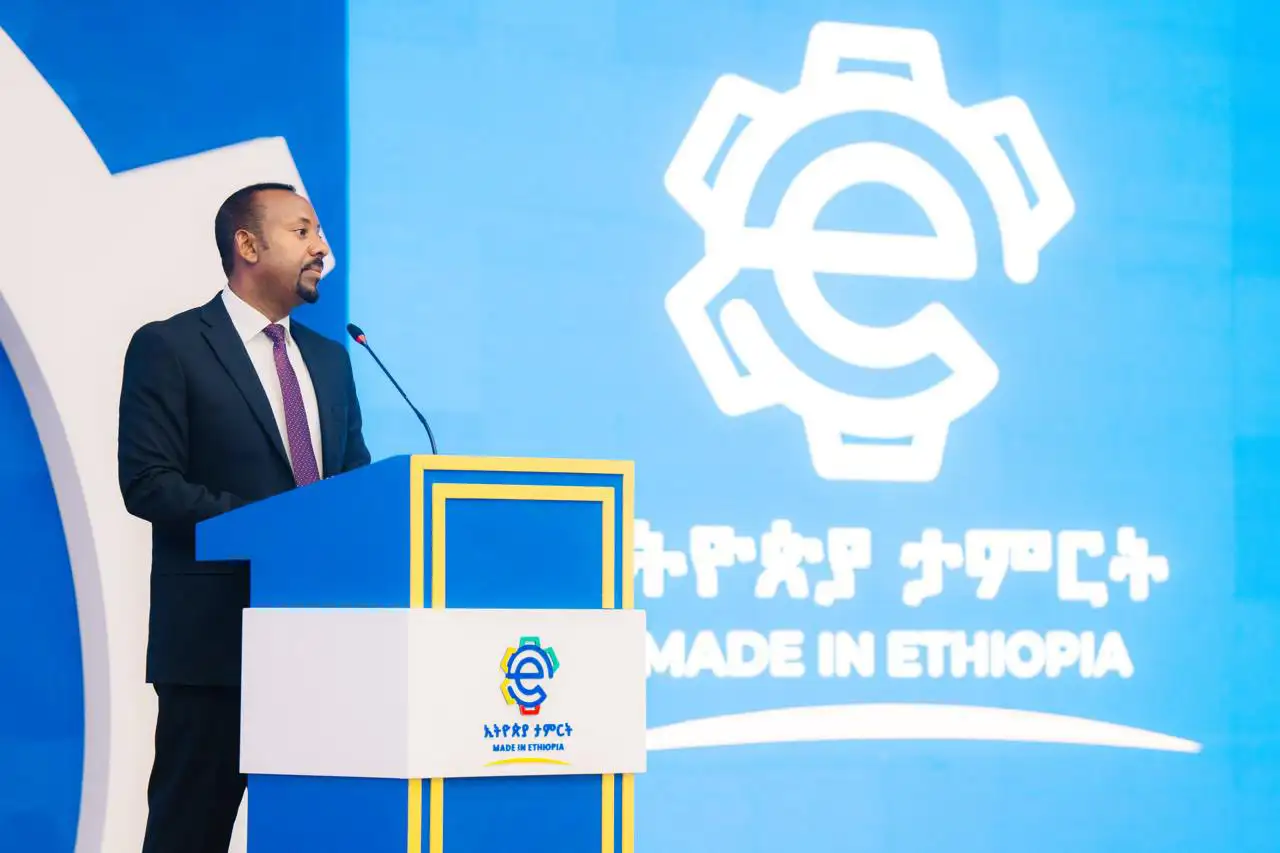
Prime Minister Abiy Ahmed (PhD) has announced that Ethiopia will soon inaugurate two massive ceramics factories as part of the nation's successful push to achieve self-sufficiency in construction materials. Speaking at the official opening of the "Made in Ethiopia" Expo 2018 on Sunday, the prime minister confirmed that these plants have the capacity to meet 100% of the national demand for ceramics. He recalled that for many years, despite lacking a seaport and facing logistical challenges, Ethiopia had been importing stones for the construction sector. He set a clear direction for the industry, stating that the country must stop carrying imported stones and instead transition local ceramic producers toward the production of porcelain, granite, and marble.
In a statement reflecting on four years of sustained effort and measurable progress, the prime minister noted that his results-driven governance is evidenced by unprecedented industrial expansion. This is highlighted by average production capacity utilization soaring from 47% to 67%, the attraction of over 2,800 domestic and foreign direct investments over the past four years, and more than $4.85 billion in foreign exchange saved through import substitution in the first nine months of the 2018 fiscal year alone. He revealed that a study has identified 96 different types of products that can be manufactured domestically, calling on investors to obtain information from the Investment Commission and the Ministry of Industry to actively engage in these sectors.
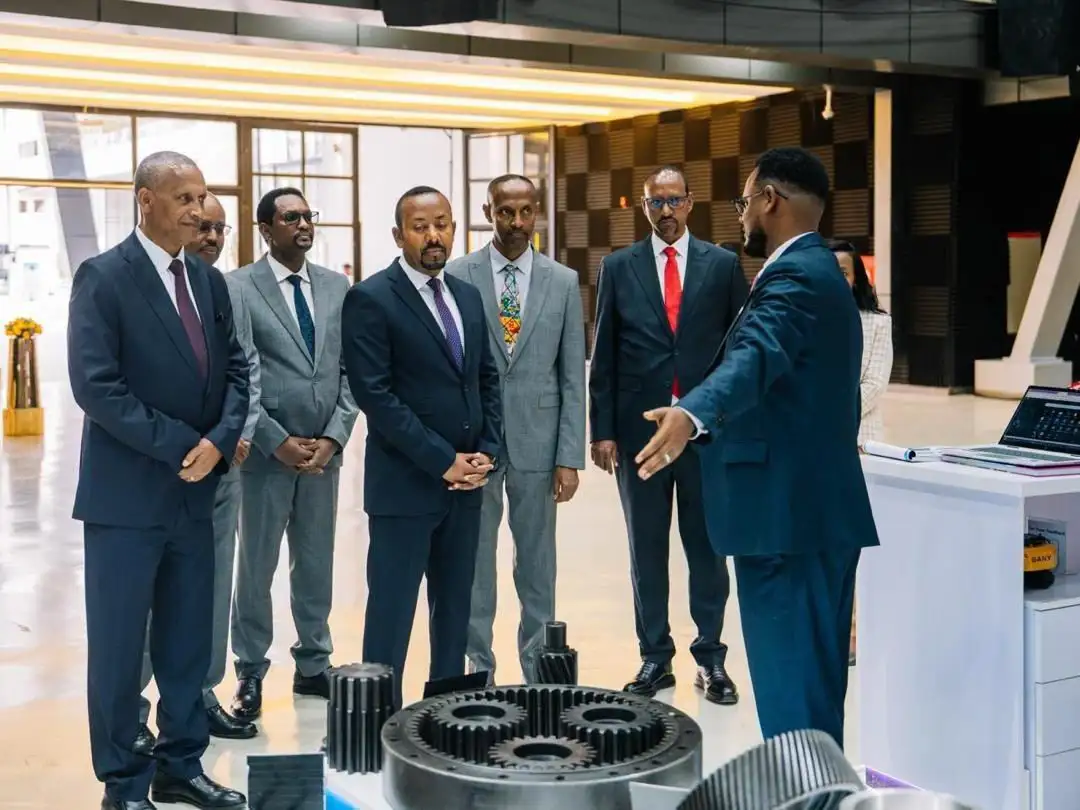
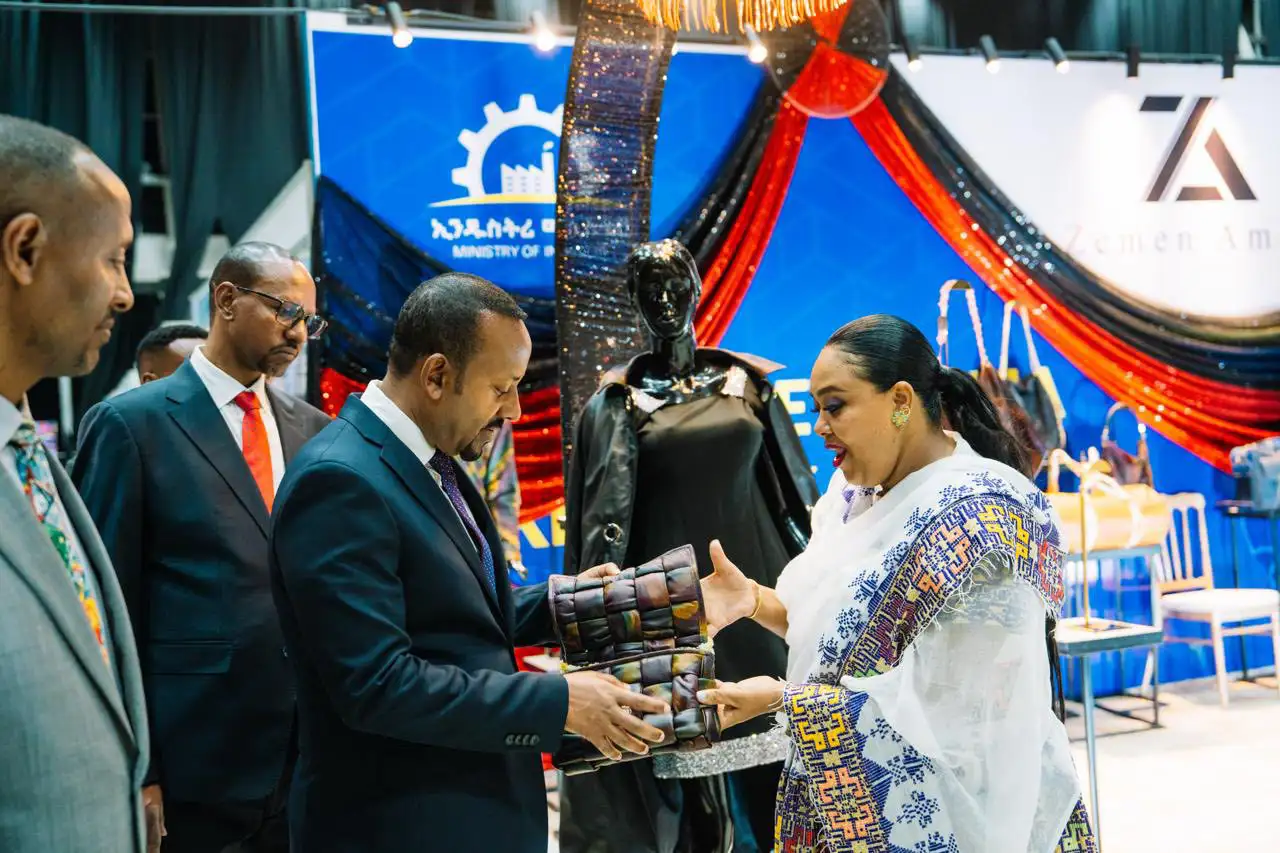
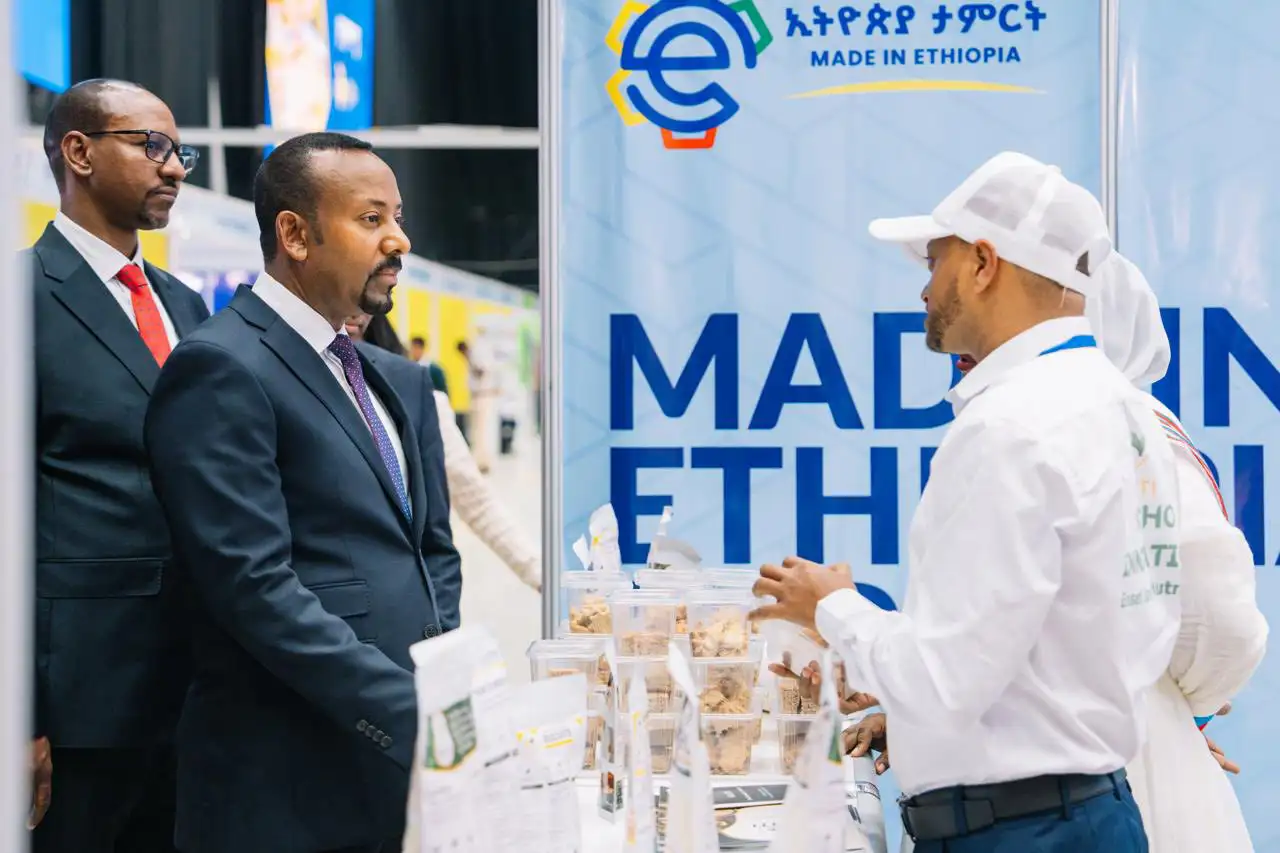

The Prime Minister emphasized that substituting imports with local production protects the nation's dignity, freedom, and sovereignty. Noting that Ethiopia is currently showing remarkable growth in agriculture, mining, tourism, and technology, he stated that local products are being supplied not only for domestic consumption but also for international markets. As an example, he pointed out that defense products previously imported from abroad have now reached a level of self-sufficiency and are being sold to more than six African countries. Describing industry and manufacturing as the vital foundations for prosperity and independence, he concluded that the "Made in Ethiopia" movement serves as the primary basis for the country's 10.2% economic growth. By working together to sustain this powerful momentum, he affirmed that Ethiopia will build a resilient and self-reliant future, declaring, "We Were Great and We Shall Be Even Greater!"