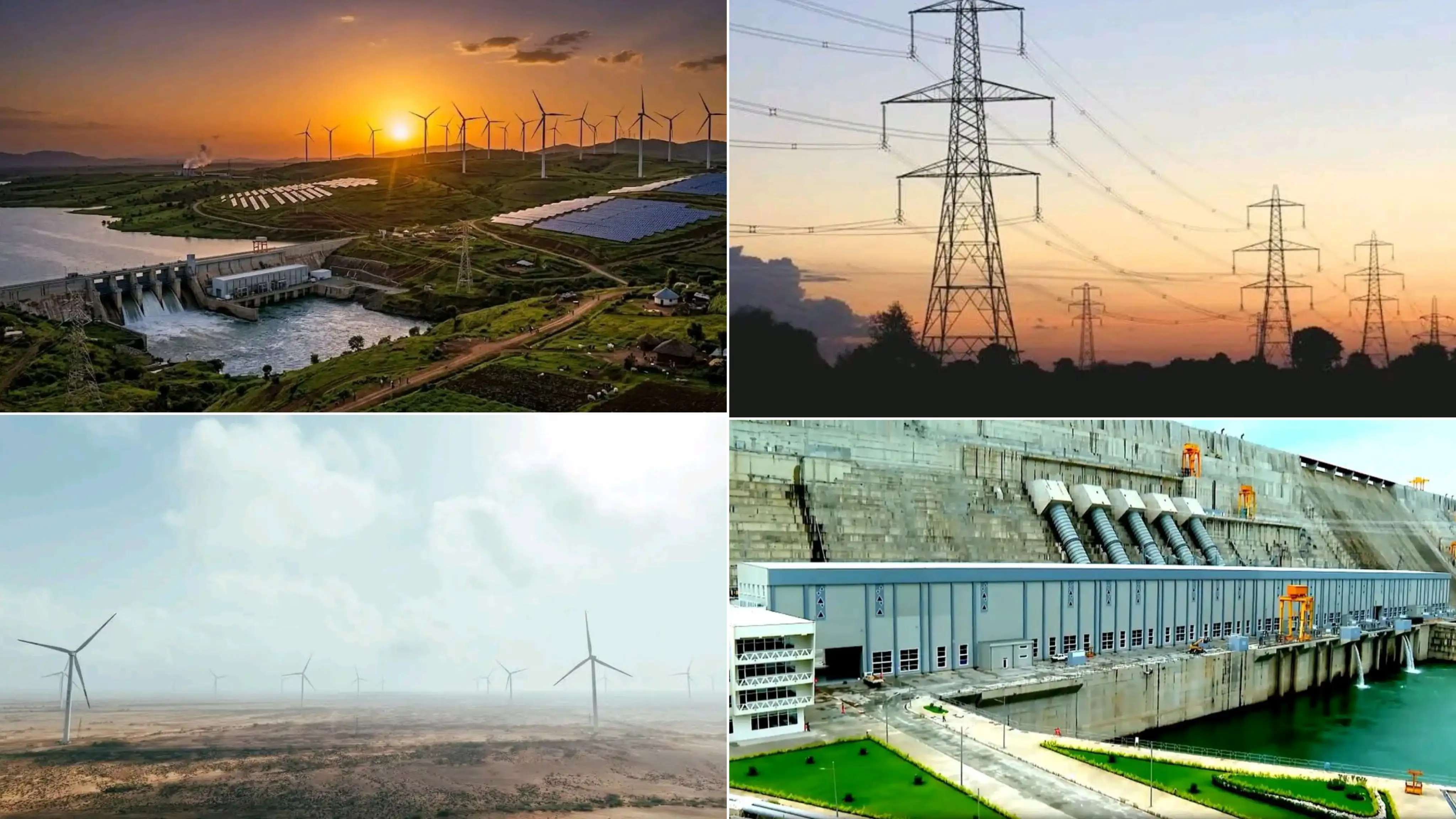
United Nations Secretary-General António Guterres has emphasized that by developing Africa’s vast renewable energy potential, a superior energy alternative can be created not just for the continent, but for the entire world. Commending Africa’s natural resources and human capital, the Secretary-General called for the continent with its abundant renewable energy sources and rapidly growing digital connectivity to become a global hub for green energy. He urged for a focused effort on investment flows, international partnerships, and expanded electricity access to turn this vision into reality.
Ethiopia is emerging as a frontrunner in responding to this global call, having already pushed its national energy coverage to over 55%. Under the "Digital Ethiopia 2030" strategy, the government is prioritizing the expansion of energy infrastructure and diversifying energy sources with the ambitious goal of achieving 100% national electricity access.
Data from the Ministry of Water and Energy reveals significant progress: national renewable energy capacity has nearly doubled in the last five years alone, surging from 4.8 gigawatts to 9.7 gigawatts.
By capitalizing on its extensive solar potential, Ethiopia is aggressively distributing solar power systems to citizens residing far from the main national grid. This renewable energy push is playing a transformative role as the primary power source for schools, health facilities, and small businesses, improving livelihoods and creating significant job opportunities.
Firmly believing that expanding renewable energy is the definitive solution to the complex challenges associated with fossil fuels, Ethiopia remains committed to achieving even greater milestones in the sector.