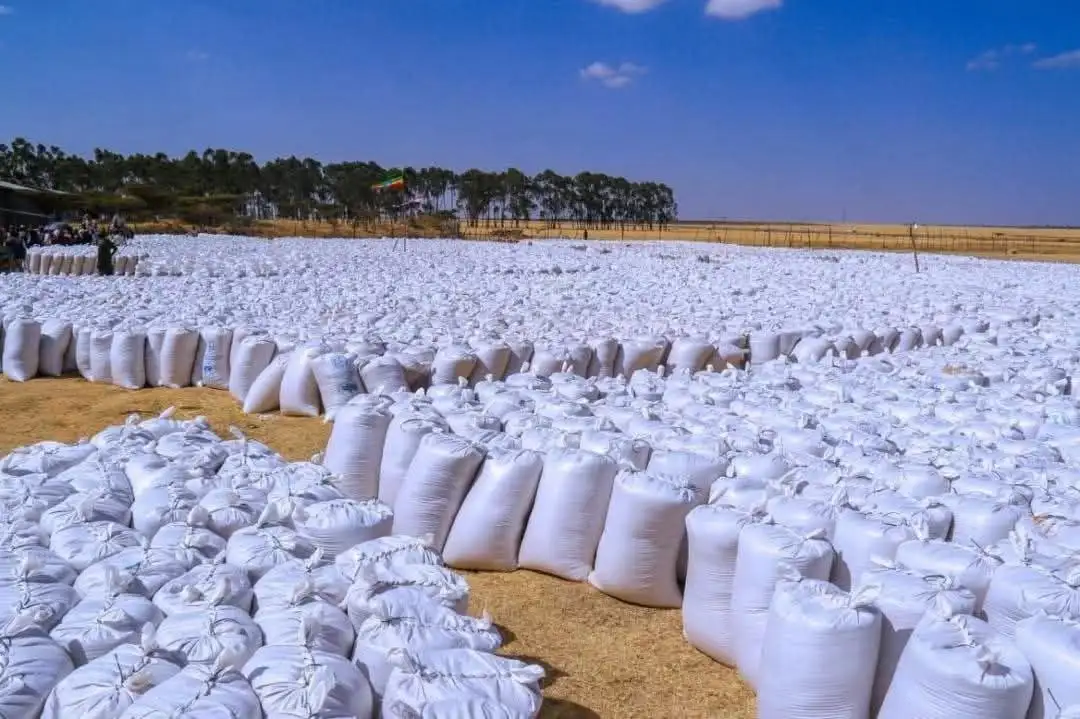
Ethiopia has successfully replaced the importation of over one million metric tons of wheat, which previously cost billions of dollars annually, with domestic production.
By breaking the long-standing cycle of food aid dependency, our country is now securing its food sovereignty through a strategy of self-sufficiency driven by modern agriculture. Ethiopia is currently undergoing an agricultural revolution defined by a firm stance of "no more handouts," aimed at resisting external interference and diplomatic pressure.
In an interview with EBC, Dr. Getachew Driba, advisor to the Minister of Agriculture, stated that this achievement marks a significant turning point in history, ending the era where the country had to spend precious foreign currency to purchase wheat.

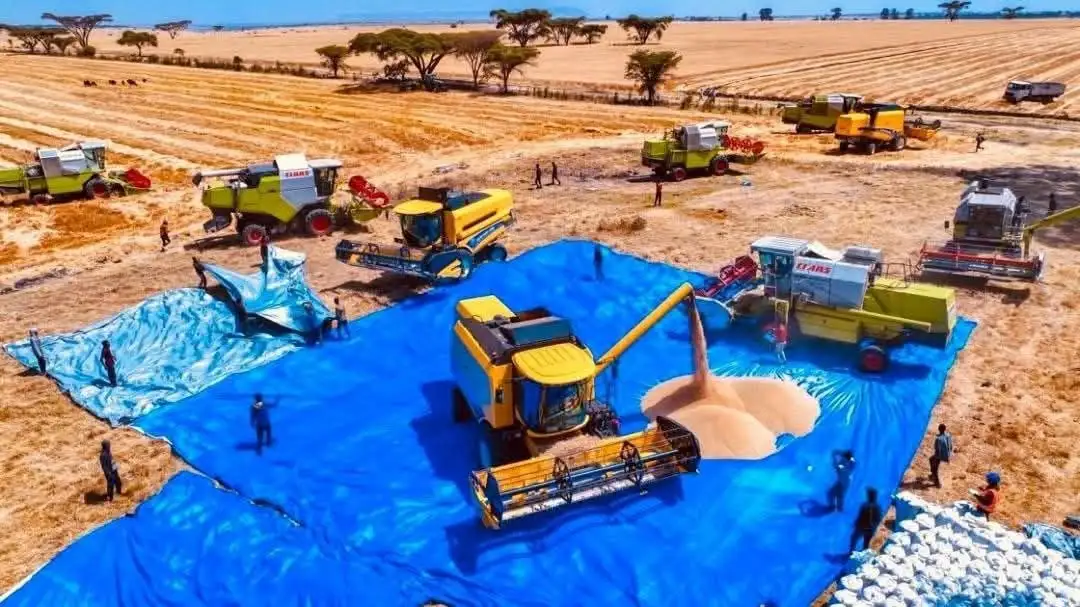
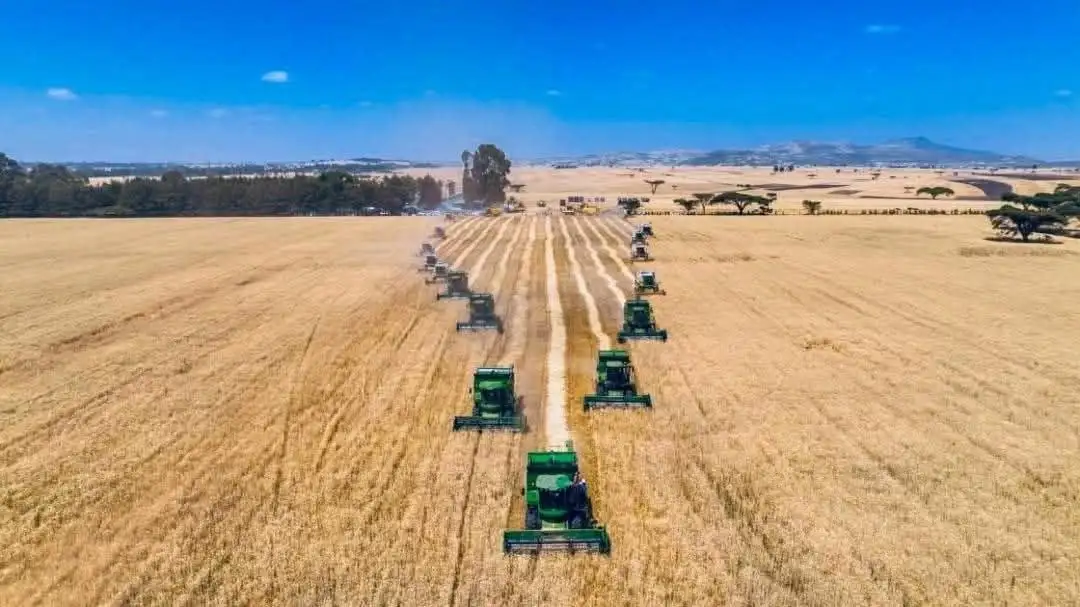 The advisor noted that the primary reason for this impressive result is the implementation of new agricultural practices, highlighting that the "cluster farming" (Kuta Getem) method, in particular, has brought about significant change. He further noted that 20 to 25 percent of agricultural work in Ethiopia is currently being carried out using tractors and modern machinery.
Dr. Getachew explained that this radical transformation in the agricultural sector not only creates an unshakable foundation for Ethiopia's food sovereignty but also strengthens the nation's internal capacity, which will contribute significantly to regional economic integration and supply in the future.