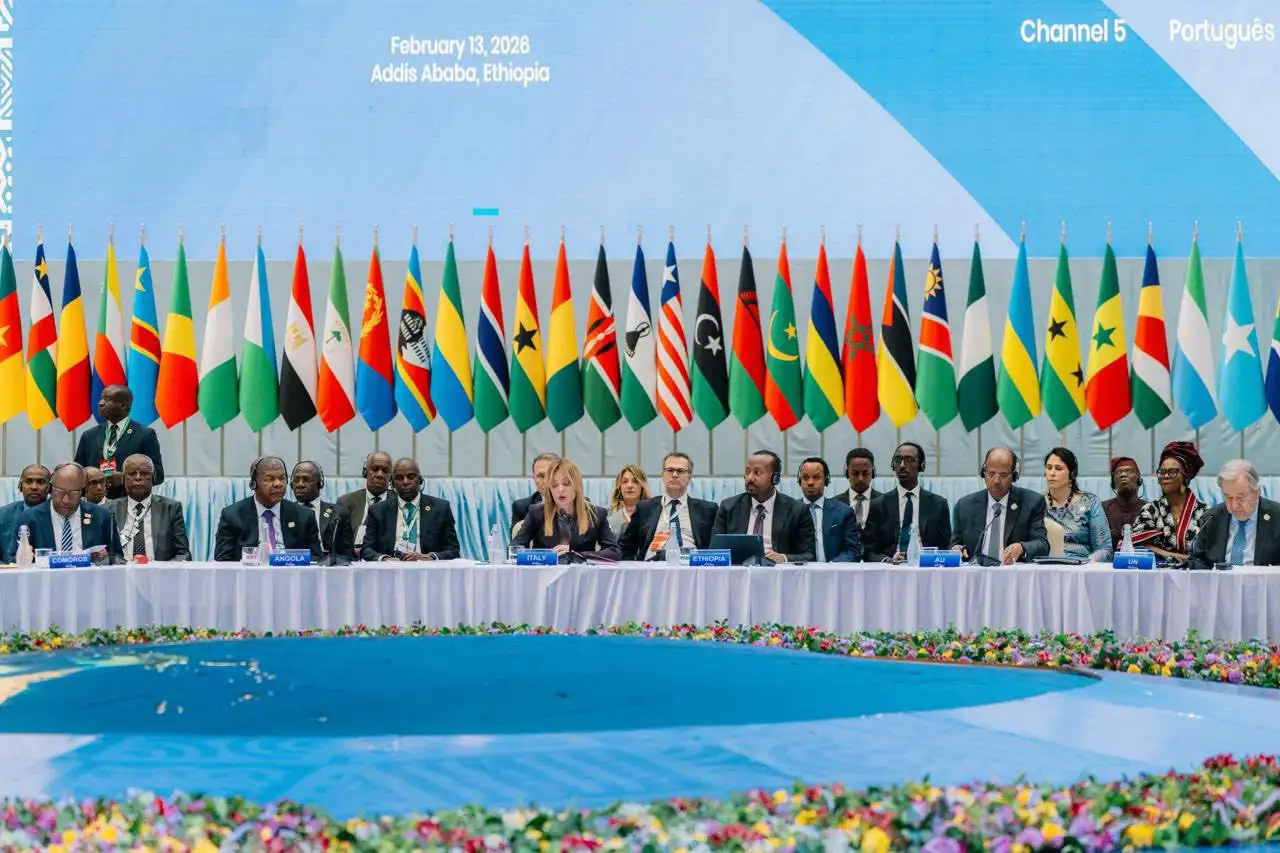
The diplomacy Ethiopia projects on the global stage has undergone a profound transformation, shifting from an archaic reliance on hard power and coercion toward a sophisticated strategy anchored in persuasion, mutual interest, and attraction.
In a rapidly evolving global landscape, a nation's standing is increasingly measured by its soft power—the capacity to shape international preferences through institutional appeal and cultural prestige, rather than military or economic force.
Ethiopia does not build this modern influence in a vacuum. Instead, the country anchors its foreign policy in the deep-seated legacy of its enduring history, its foundational role in Pan-Africanism, and iconic national symbols—such as its world-class athletic triumphs and its premier global airline—which continuously frame the nation as an assertive, interconnected continental leader.
Domestic Transformation as External Influence
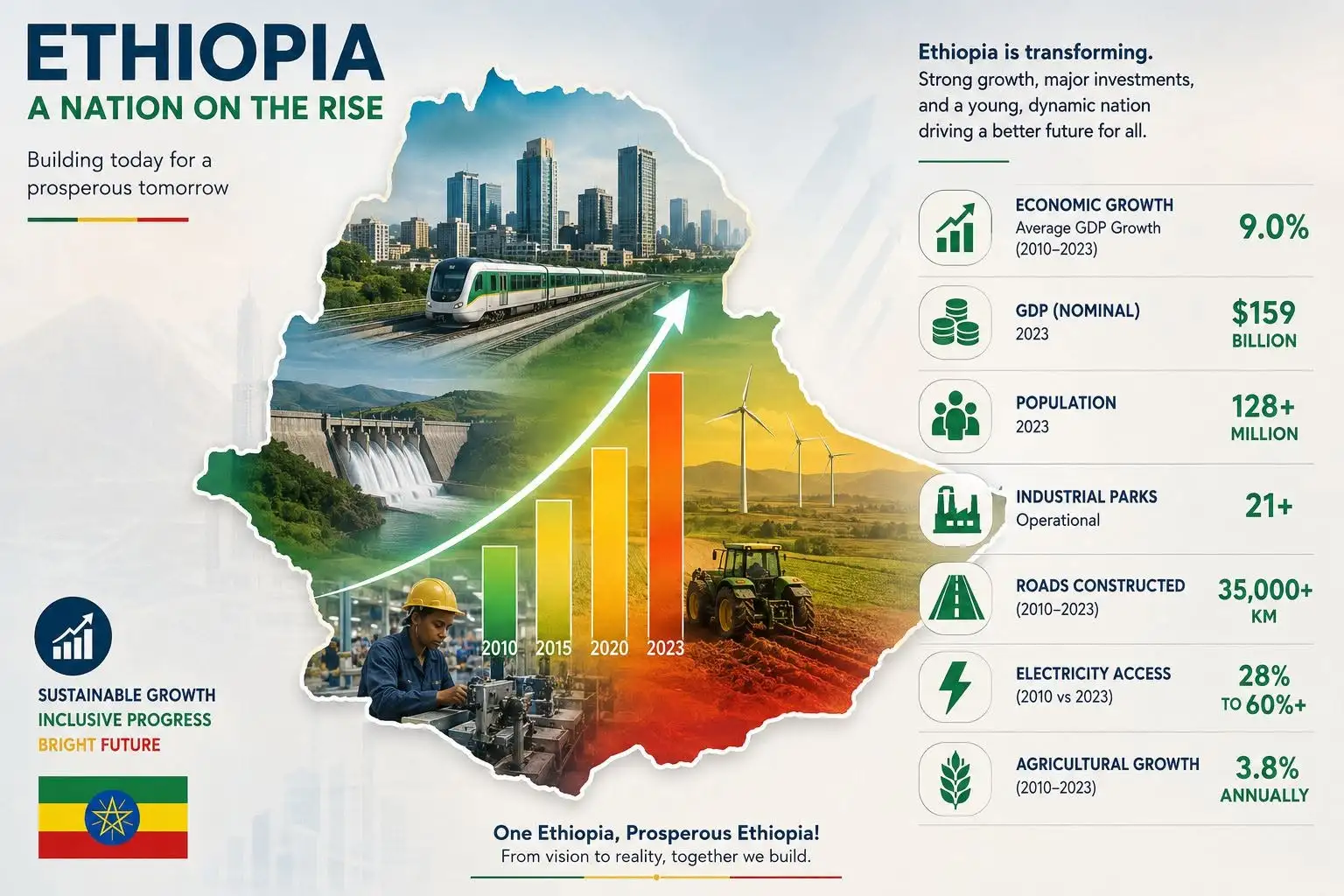
This external influence is a direct reflection of a deliberate domestic metamorphosis. The nation has systematically overhauled its international image, replacing outdated narratives with a compelling story of aggressive, tangible modernization.
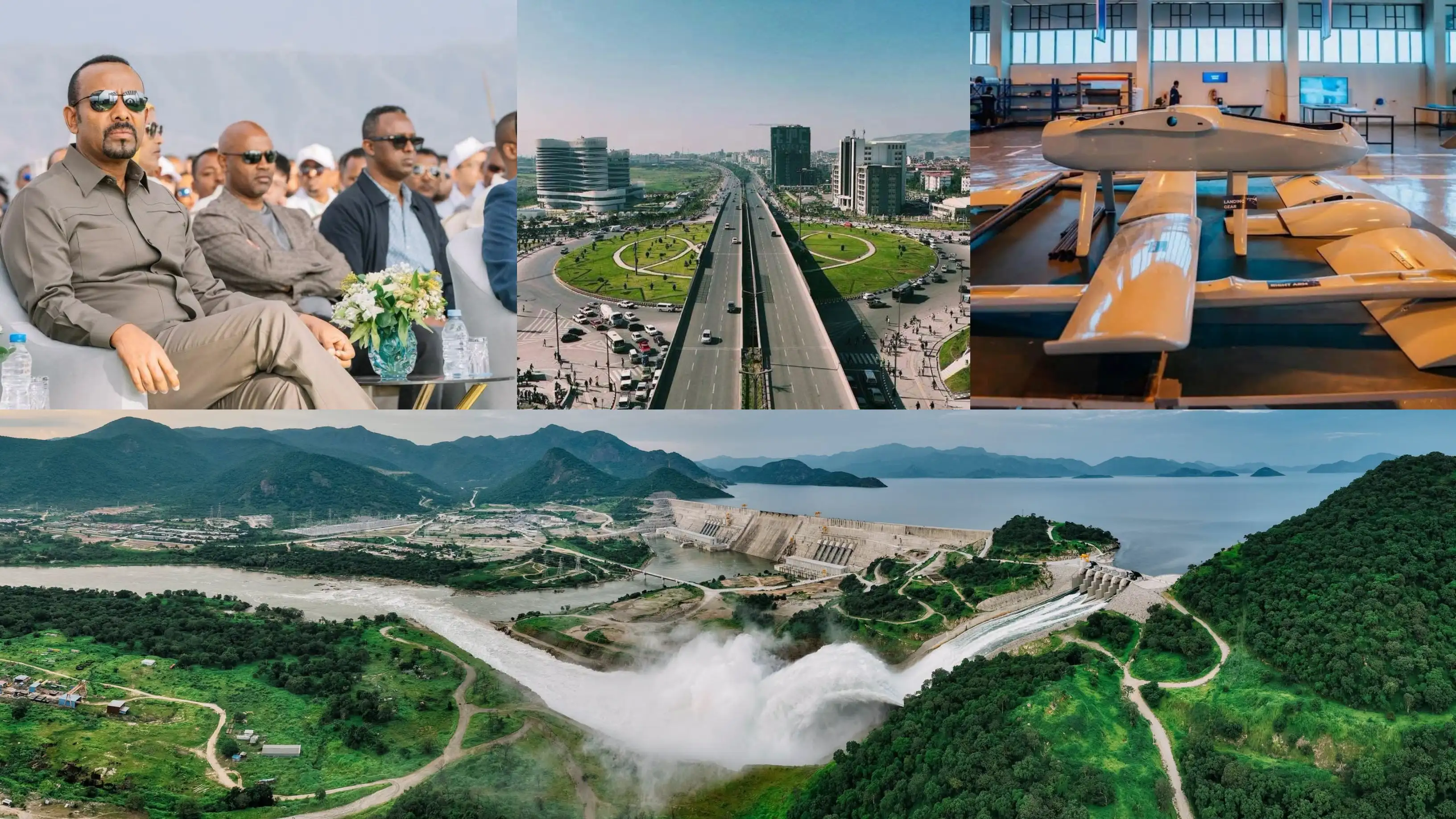
The implementation of major urban corridor developments and large-scale national infrastructure projects serves a critical dual purpose. Beyond physical restructuring, these initiatives act as potent tools for country branding. They signal clearly to global capital that Ethiopia has built a stable, modern environment ripe for international tourism and foreign direct investment.
The practical dividends of this strategy were explicitly demonstrated at the Invest in Ethiopia 2026 forum, which secured a historic $13.1 billion in global investment commitments across green energy, mining, and manufacturing.

Regional Integration and Economic Security
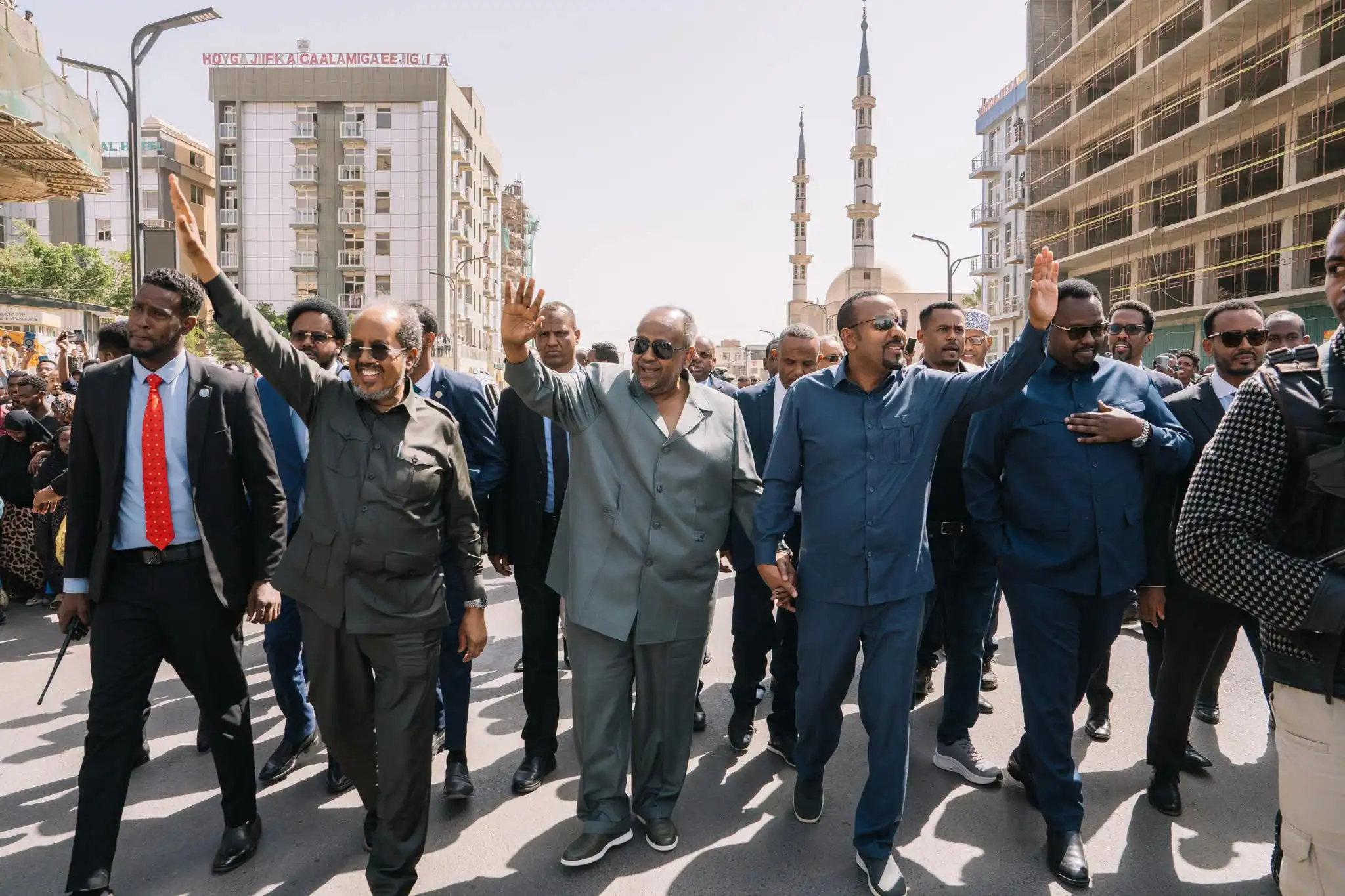
The trajectory of this new diplomacy is nowhere more evident than in the strategic restructuring of relations within the Horn of Africa. Ethiopia has moved past historical patterns of regional caution and isolated bilateral talks, shifting its focus toward deep, structural economic integration with Djibouti, Kenya, South Sudan, and Somalia.
By tying the region together through cross-border renewable electricity grids, shared transport corridors, and integrated trade networks, Ethiopia has successfully advanced a model where regional security and national sovereignty are guaranteed by shared economic survival. This approach positions the country not merely as a geographic entity but as the primary economic engine and security guarantor of the entire region.
A Global Agenda-Setter
On the macro-geopolitical stage, this proactive policy has successfully elevated the nation from a passive observer to an active global agenda-setter:
- BRICS Integration: Strategic entry into the BRICS bloc has secured permanent leverage within the world’s most influential emerging economic forum.
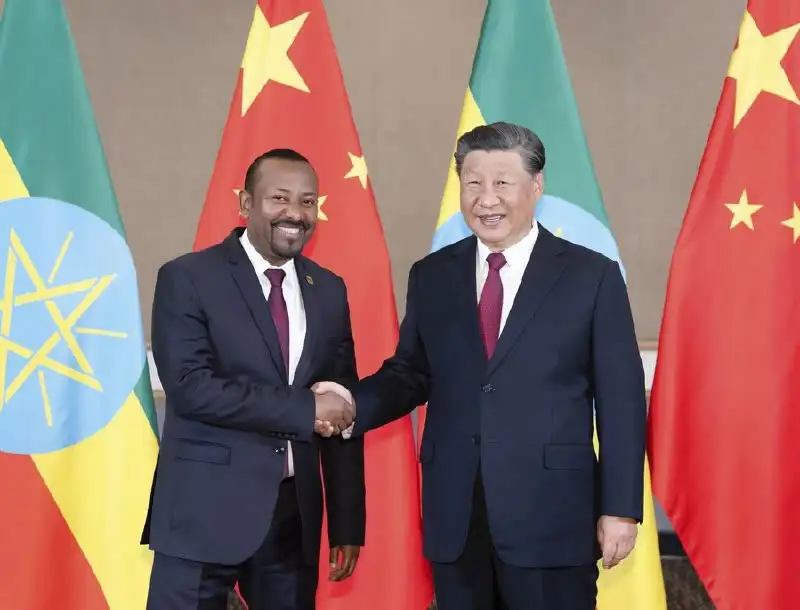
- Climate Diplomacy: Extensive domestic environmental programs have transitioned into a highly effective instrument of climate diplomacy. By positioning itself as a leader in continental environmental action, Ethiopia has evolved its relationships with global powers—such as China, the United States, and France—shifting the dynamic from traditional aid-recipient frameworks to strategic partnerships focused on technology transfer and industrial co-investment.
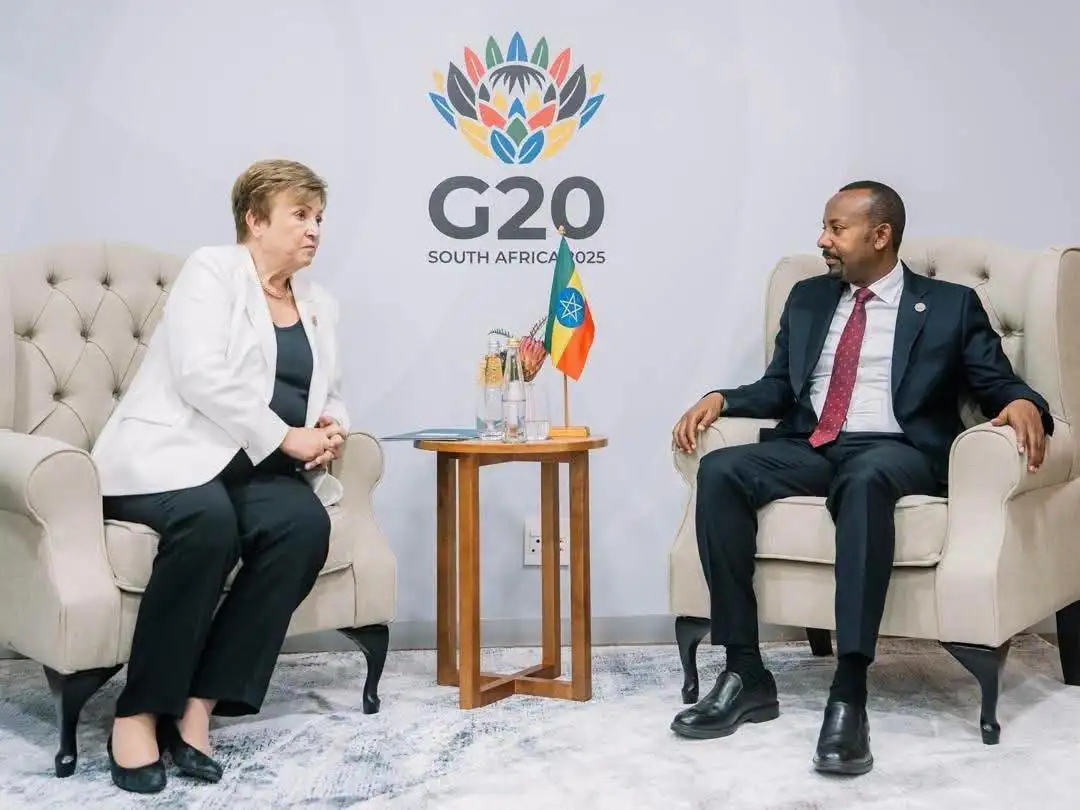
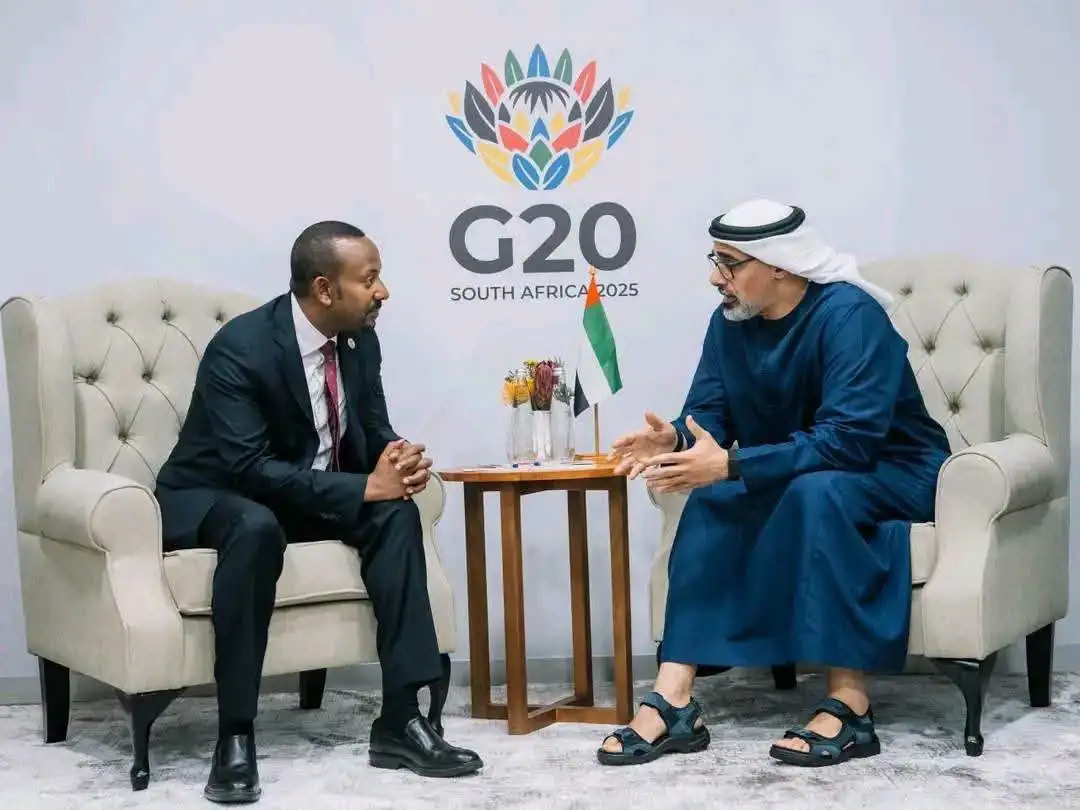
- Macroeconomic Resilience: Through disciplined diplomacy, the nation has navigated complex international debt restructuring while simultaneously opening lucrative new commercial and trade frontiers across Asia and the Middle East.
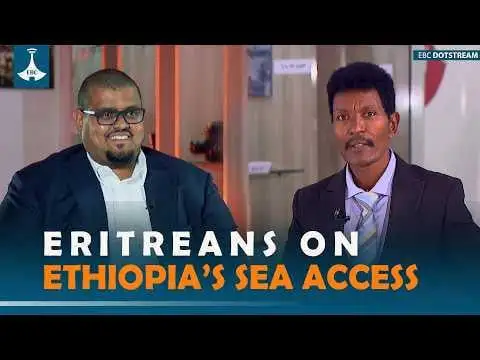
- Strategic Sovereignty: The nation's equitable and legitimate pursuit of reliable sea access has re-established its central importance in regional geostrategic calculations.
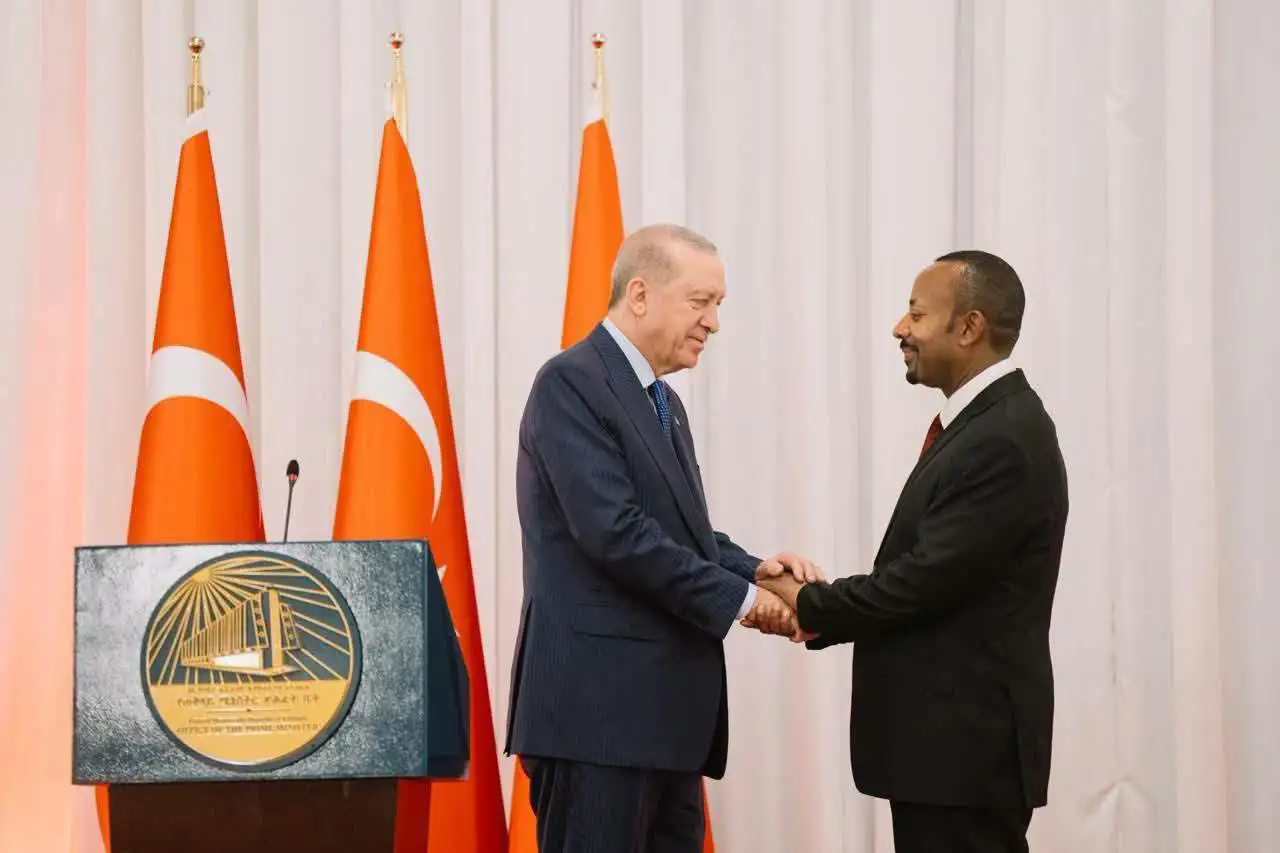
Historically the cradle of African independence, Ethiopia continues to lead the advocacy for continental sovereignty and fair global representation. As international confirmation of this enduring leadership, the selection of Ethiopia to host major global assemblies—such as the COP32 climate summit—proves that its role as a diplomatic "heavy-hitter" is fully realized, securing tangible economic benefits today while laying the groundwork for a prosperous and dignified future.