
By: Fistum Getachew
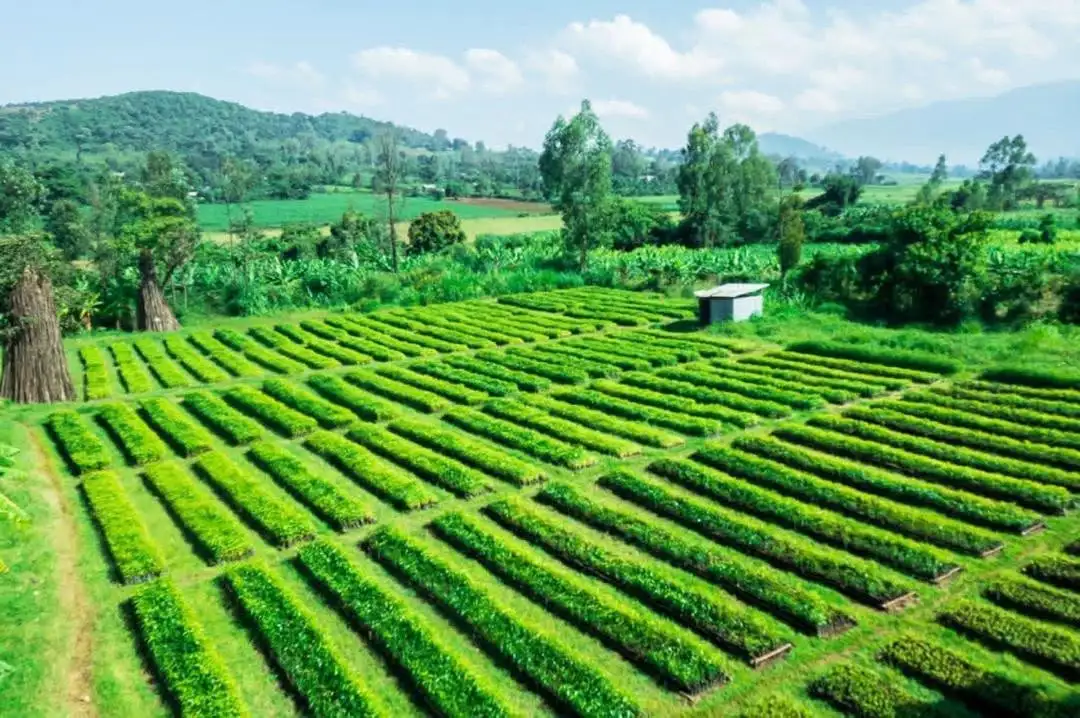
One of the most significant achievements of this government is widely considered what is now universally known as the Green Legacy Initiative (GLI), which clearly aims towards also the future generations. During the past eight years, according to the Ethiopian Ministry of Agriculture, 48 billion tree seedlings have been planted, covering 11 million hectares of land, contributing to transforming even the landscape of certain areas. This planting of tree seedlings has now become a yearly ritual for Ethiopians. Spearheaded by the Ethiopian Prime Minister Abiy Ahmed (PhD), the Green Legacy Initiative has become a well-established custom of Ethiopians getting deep in their psyches.
The Green Legacy Initiatives has multiple positive aims and results according to what the premier has often stated during his briefings on this flagship program. Clearly, he is proud of this initiative and the achievements recorded up to now. It is clearly grounded firmly and deeply and will be a yearly pursued program by Ethiopians.
First of all, it has the mission of contributing actively to the efforts aimed at decreasing the ill effects of climate change. Ethiopians are now all well aware of what could happen to them if there is no halt to the disastrous effects of climate change. They have experienced on their skin what sorts of consequences ensue due to climate change. They see and experience it every year and even on a daily basis how erratic and unpredictable has the weather become distancing from the usual and habitual occurrences.
They now know why all these climatic aberrations are happening under their watch. Places where there were moderate climatic conditions are now experiencing extreme weather conditions, from complete drought to excessive and out-of-season rains that result in sudden inundations, and from extreme hot conditions to extreme chilly weather.
We have also noted variations in the regular seasons such as the expected rains not coming as usual and in limited quantities. So much so that there have been rivers full of water to their limits, causing so much damage. The subsistence level of Ethiopian agriculture has suffered a lot during the past decades with periodic droughts and consequent disasters. The negative results of these climatic aberrations have been well experienced by not only Ethiopians but also millions of people across the continents, particularly in the so-called less developed countries with limited resources to stand up to the challenges and save their peoples. Ethiopian farmers know first-hand what climate change brought about to their homes and families and do not need any explanations about it.
In the past several decades many countries in the world, particularly in Africa and many places in Asia, have been victims of climate change. There have been disastrous droughts that have devastated the lives of millions of agriculture dependent families and communities. On the other hand, there have been equally disastrous floods and inundations that have swept away entire villages of farmlands and the belongings of communities.
The arid and windy conditions of the air have frequently caused wildfires, and thousands and thousands of virgin forests full of precious trees such as the Amazon belt, the California areas in the US, and several places in Europe, Africa, and Australia, among others, are being devastated. Scientists have determined that all these episodes and phenomena are consequences of climate change. They are the result of the reckless felling of trees by unscrupulous people for centuries who have abused nature, probably not aware of the consequences of their activities.
One of the negative consequences of the Industrial Revolution has been the warming of the earth to unprecedented levels well above what scientists have warned could cause unpredictable catastrophe due to the continuous gas emission to the air owing to ceaseless and enormous usage of fossil fuel. The millions of factories that have grown during decades of industrial activities have done irreparable damage to the atmosphere.
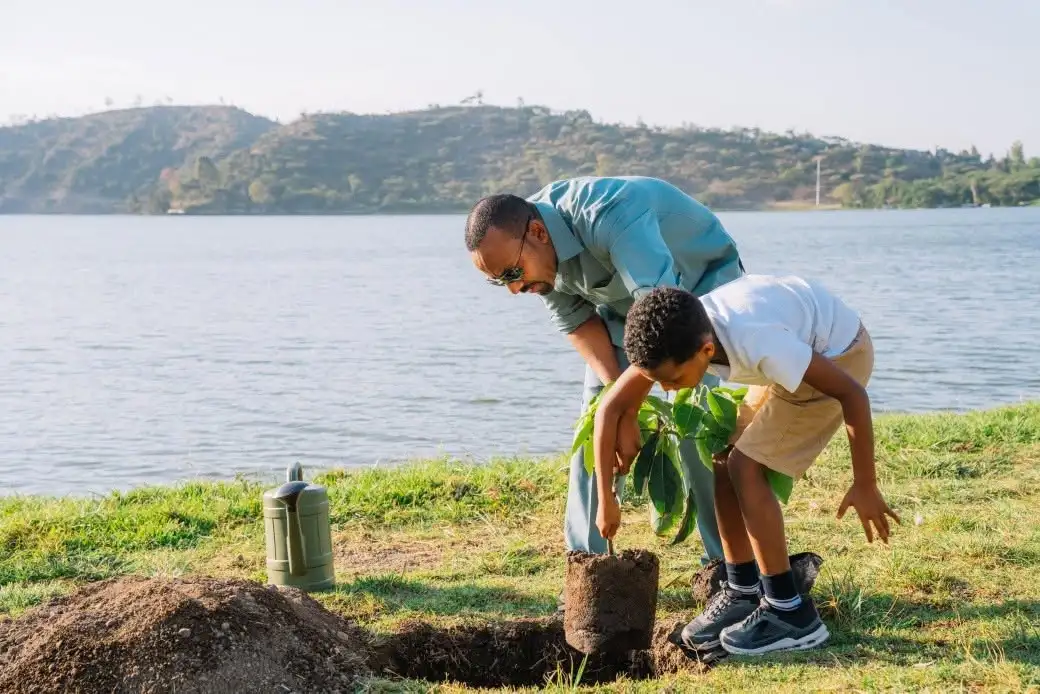
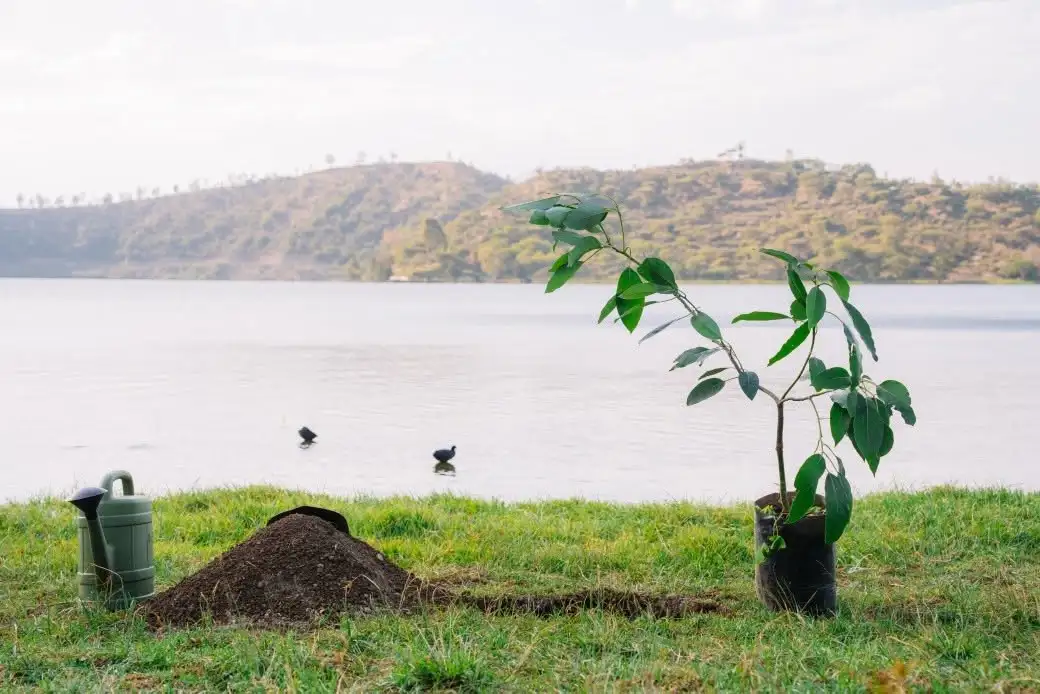
 Scientists have been urging that there should be a reversal of this trend to make up for all the damages already incurred. According to the UN Environmental Program-UNEP, the world is in a climate emergency. Unless greenhouse gas emissions fall dramatically, warming could pass 2.9°C this century. It is in this context that Ethiopia’s Green Legacy Initiative should be considered. Unless immediate action is taken by the world community, environmentalists have warned that the consequences could cost humanity its very survival. The warming of the climate could defrost the entire mountains of icebergs and inundate the world washing it away completely!
The UNEP has picked up this message of scientists and has been urging countries to do all they can, particularly the more advanced economies, to curb this trend, noting that the brunt of the disasters are borne by the poorer countries. It has urged countries to abide by the programs and strategies that have been carved by scientists. The use of fossil fuels has been discouraged as much as possible; the continuous deforestation of the land has been condemned to make way for more habitation and infrastructure prepared for the ever-increasing population of the world.
Ethiopia has once been reputed with being a rich country in terms of forests and greenery but due to population pressure and growth of cities, the consumption of wood has been increasing by leaps and bounds resulting in immense and continuous deforestation. The once relatively small population of about 20 million has now surpassed the 130 million mark, and according to the latest estimates, Ethiopia’s population could go above the 200 million mark in the not too distant future. That is why programs such as the Green Legacy Initiative become crucial. In fact, it has been labeled as a ‘game changer’ going ahead at the current pace if other countries follow the example of Ethiopia. Researchers have determined that much of the damage caused by climate change has been caused by the way the natural resources have been used and abused by the enormously industrialized countries of the North. And at the receiving end of the damages have been mainly the poor South.
As Ethiopia continues to keep on planting billions of tree seedlings, it knows that it has become a good example of how to combat climate change with all its resources. The campaigns of the last eight years of the Green Legacy Initiative have involved an average of 25 million people annually, according to the revelation of the Ministry of Agriculture, and each one of them has planted scores of seedlings. We have noted the enthusiasm of the public who planted the seedlings, and it was clear that they understood the importance of their work, led by the inspiration of Prime Minister Abiy Ahmed (PhD), his entire cabinet, and other government agencies. People understand the importance of their contribution. Repeated awareness creation activities have been carried out through the past seven years with massive media campaigns. Extensive coverage has been given to this issue not only during the planting season but also throughout the years.
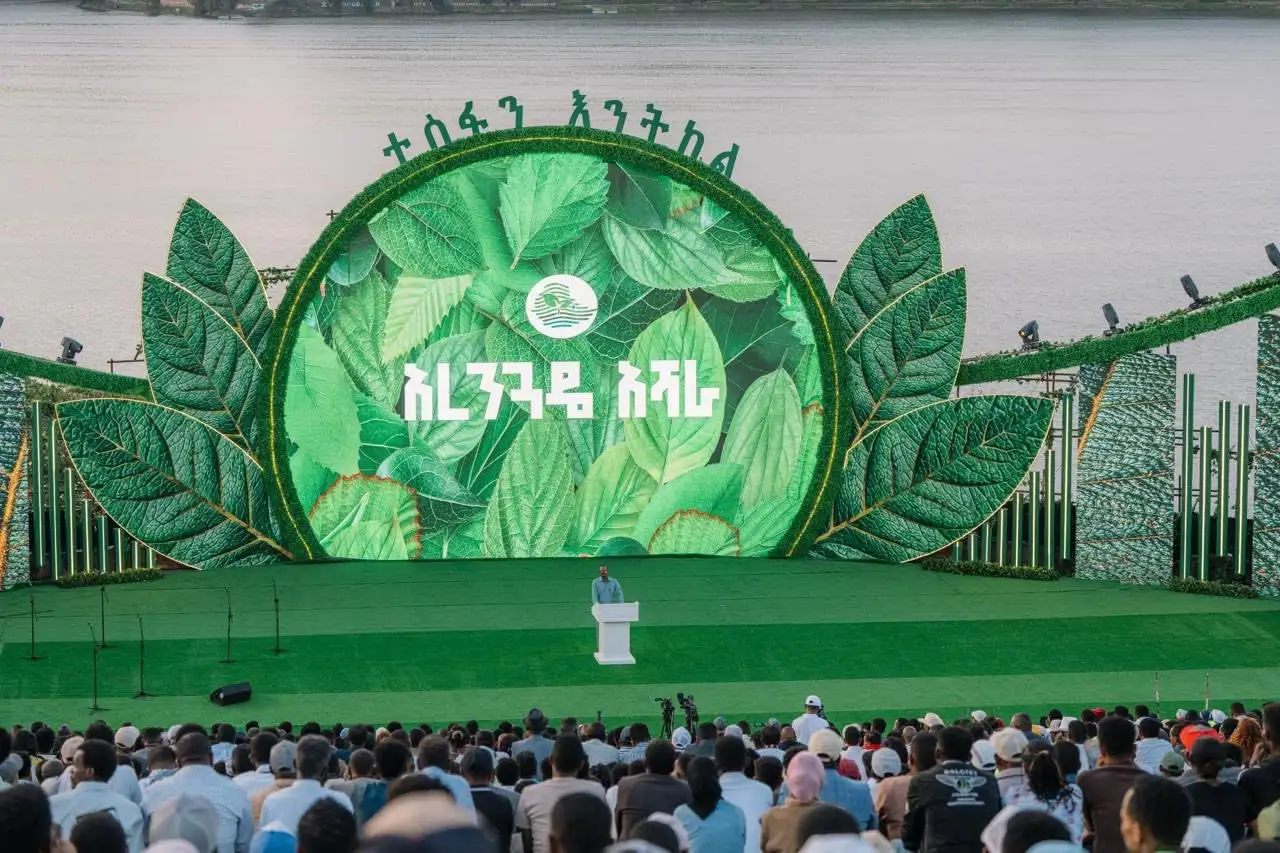
When Prime Minister Abiy Ahmed (PhD) launched the new season of planting seedlings for the Ethiopian Year 2018 on June 15, he underscored the importance of what the Green Legacy Initiative (GLI) is bringing to Ethiopia. He said the GLI is not only about planting trees to green the land and replace what has been lost across the years of deforestation and abuse of natural resources, but it is also about stopping the rate of erosion that has swept away the rich soil of our country overseas with our rivers. This helps to conserve the natural landscape and features of the environment.
The planting of seedlings has also contributed to the production of all sorts of fruit trees, coffee trees, etc., with the ensuing economic benefits. Besides, there have also been thousands of youths who have secured employment in the nurturing of the seedlings as well as providing them to the places where they should be planted and digging the holes needed to plant them.
There are estimates that this huge national initiative conducted voluntarily by millions of citizens could have cost billions of birr if we were to pay for the work even some birr for each participant for their contribution. This is something. The premier has said that he was proud of the positive and active response of the people.
The fact that this activity has been well publicized throughout the country and beyond has put Ethiopia at the forefront of the attention of scientists and environmentalists who have urged countries to follow the example of Ethiopia. In fact, we have seen countries such as Nigeria and Pakistan sharing the experience of Ethiopia’s GLI by planting billions of tree seedlings.
The success in the GLI has secured Ethiopia multiple international awards and recognitions. One of these is the award of being chosen to host the upcoming COP32 in 2027, defeating the contention of other countries. Already active preparations are underway to host this important and historical event by the body entrusted to do it led by Ethiopian Foreign Minister Gedion Timotheos (PhD). This will be a very important event that will put a lot of light on Ethiopia in the eyes of the world and allow them to note the progress the country is making in economic terms. About 80,000 participants are expected to land in Addis Ababa during the COP32. And this will be another occasion to renew Ethiopia’s shining status in the African scene as the ‘diplomatic capital of Africa’ and more generally its position in the wider world. It is clearly a prestigious program that will contribute to shedding positive light on Ethiopia and help dismiss all the forces that are constantly trying to tarnish its image by disseminating unfounded narratives and trying to destabilize the country by disrupting its peace and stability.
Ethiopia will demonstrate to the world that it means business in carrying out its plans and programs. It has shown the world that it has been capable of completing the construction of the largest dam in Africa, the Grand Ethiopian Renaissance Dam (GERD), defying all the negative narratives against it by many internal and external forces who do not accept the fact that Ethiopia can achieve what it plans and keep on growing economically.
Today Ethiopia’s strategic priority is to secure its right to have access to the sea, of which it has always been endowed with naturally, until weird political developments deprived it of sea access in 1991. It is now campaigning to secure this right with intense diplomatic and political activities in a peaceful manner.
Access to sea for Ethiopia is not only an economic issue but also a geopolitical, and a national security issue. Ethiopia needs to take active part in whatever happens in its environs and have the right to monitor and possibly take the necessary action if there are threatening developments for its sovereignty and territorial integrity. In this sense, Ethiopia has always enjoyed historical reputation for safeguarding its independence and sovereignty. It has shown resilience even amid successive threats and dangers to its survival, and this will continue forever. The success in the Green Legacy Initiative can be taken as one big gem in this whole context. Ethiopia is one of the countries that are engaged in totally building a green economy, so much so that it has prohibited the importation of fuel-consuming vehicles to the country, replacing them with EVs.
This move has secured commendation and appreciation from the international community. Ethiopia is marching ahead on the path of industrialization aided by the newest technological and digital advancements, including the ever-expanding AI. The rate of its growth is expected to increase continuing with the current pace and Ethiopians can only target ever higher goals of development and growth despite the multiple challenges it might have to face both internally as well as externally, despite geopolitical novelties in and around the Horn of Africa.