Every liter of fuel reaching Addis Ababa currently endures a five-day journey on a truck, but a newly announced cross-border energy project aims to cut that transit time down to just twenty-four hours.
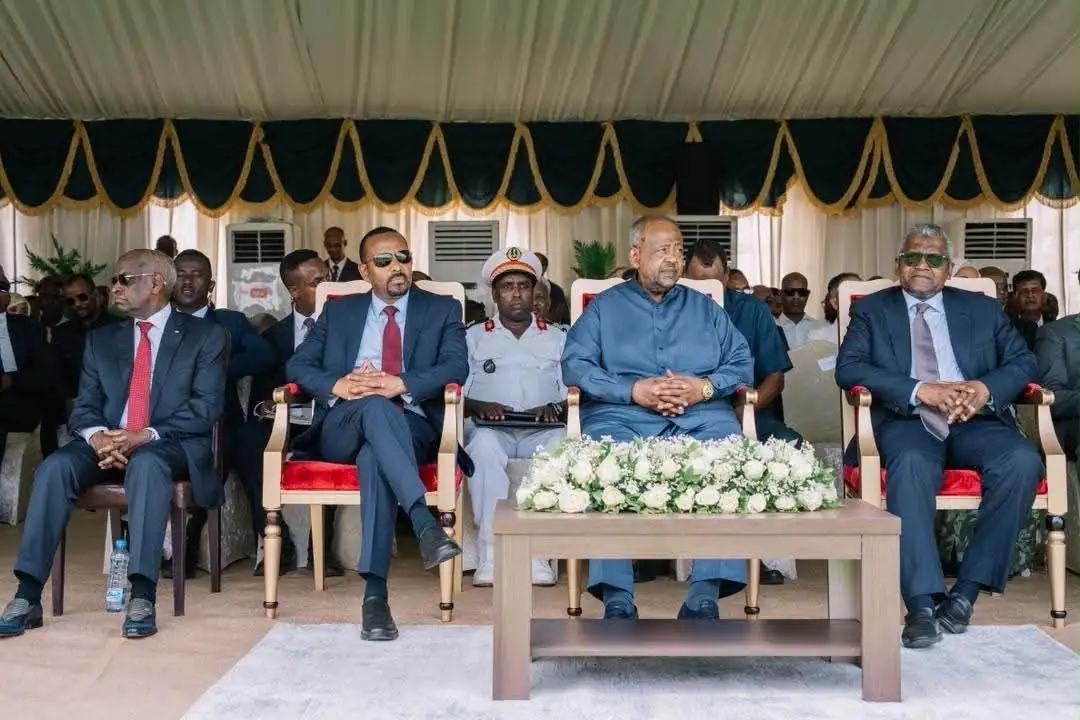
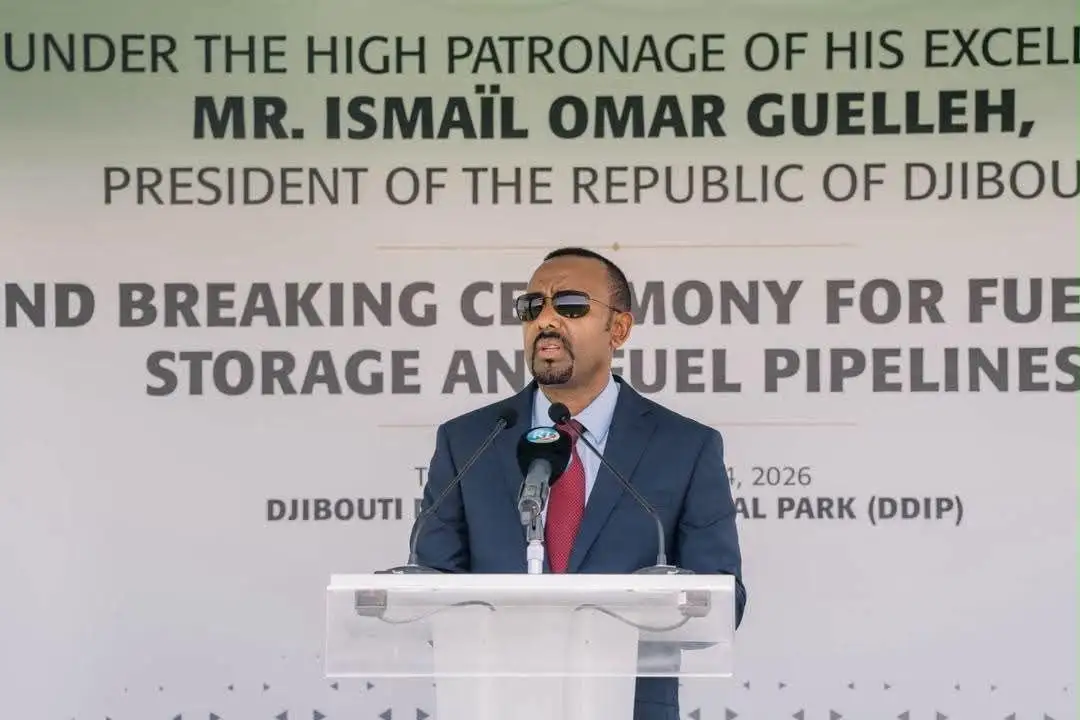
Speaking at the project announcement, Prime Minister Abiy Ahmed (PhD) framed the dramatic reduction in travel time as the core issue being tackled through a joint effort between Ethiopia, Djibouti, and the Dangote Group. The partnership will develop a 120-kilometer fuel pipeline running from Damerjog to Dewolle, supported by more than one million cubic meters of combined storage capacity at both terminals.
Addressing regional leaders and international delegates, Prime Minister Abiy explained that existing transport delays and storage constraints place a heavy cost burden on producers, businesses, and everyday households. The new infrastructure is designed not only to shorten transit schedules but also to build deeper reserves that protect energy supplies at a time when conflict and instability disrupt Red Sea trade routes.
To achieve maximum impact, the Prime Minister noted that the pipeline cannot work in isolation. Instead, it must function as a single connected logistics system alongside the port, highway, railway, storage terminals, and the Mojo Modern Logistics Center. The venture combines Djibouti’s maritime location, Ethiopia’s market scale and asset mobilization through Ethiopian Investment Holdings, and the industrial capital of the Dangote Group, supported by financing from the African Export-Import Bank under Dr. George Elombi.
Highlighting the partnership with Djibouti President Ismail Omar Guelleh and business leader Al-Haji Ali Ko Dan Gote, PM Abiy praised the project as a clear example of African capital funding African infrastructure for regional growth. He emphasized that while public announcements build expectations, real trust comes through execution, adding that success will ultimately be judged by fuel arriving faster, prices coming down, and regional market competitiveness improving.