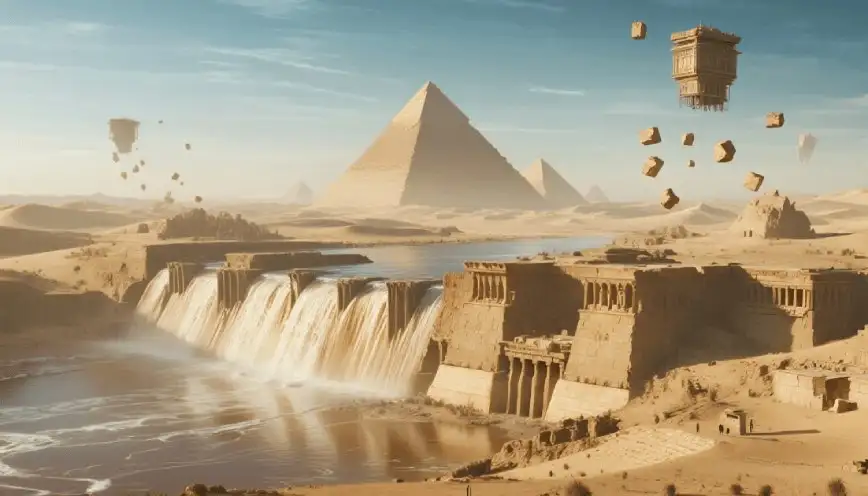
For decades, the global narrative surrounding Egypt has been dominated by a singular, narrow theme of water scarcity. International reports and media outlets have consistently portrayed the North African nation as a country teetering on the edge of a severe crisis, entirely dependent on the fluctuating flow of the Nile.
However, a closer examination of the geology beneath Egypt’s shifting sands reveals a far more complex and surprisingly water-rich reality. While the Nile remains a vital artery, it is far from the nation's only source of life. In fact, Egypt sits atop one of the world’s most significant hidden treasures: the Nubian Sandstone Aquifer System (NSAS).
Egypt’s renewable groundwater is primarily pumped from the Nile Valley reservoir, which holds reserves of around 200 BCM, and the Delta region reservoir, featuring reserves of about 400 BCM. This water is technically a component of the Nile’s overall resources. An estimated 7.2 BCM of water is collected annually from these aquifers, with the delta aquifer accounting for 85 percent of that total, or 6.1 BCM. According to the Groundwater Research Institute, this extraction rate comfortably falls below the safe limit of 7.5 BCM.
But the true behemoth is the NSAS. It is not merely a groundwater reservoir; it is arguably the most strategic water asset on the planet. Spanning over two million square kilometers across Egypt, Libya, Sudan, and Chad, this colossal fossil aquifer contains an estimated 150,000 cubic kilometers of water. To put that staggering figure into perspective, this single underground reservoir holds enough water to provide for the region’s needs for centuries, far exceeding the total discharge of the Nile River over hundreds of years.
Despite its immense potential, this resource remains a silent giant. While critics are quick to point out that fossil water is non-renewable, modern extraction technologies and sustainable management strategies—combined with the sheer scale of the reserve—provide a reliable buffer. This vast underground supply can sustain Egypt’s agricultural and industrial expansion for generations. The persistent water-scarce label often ignores these deeply buried reservoirs that function entirely independent of the Nile’s yearly flow, overlooking Egypt's immense and largely underreported capacity to tap into deep-seated groundwater.
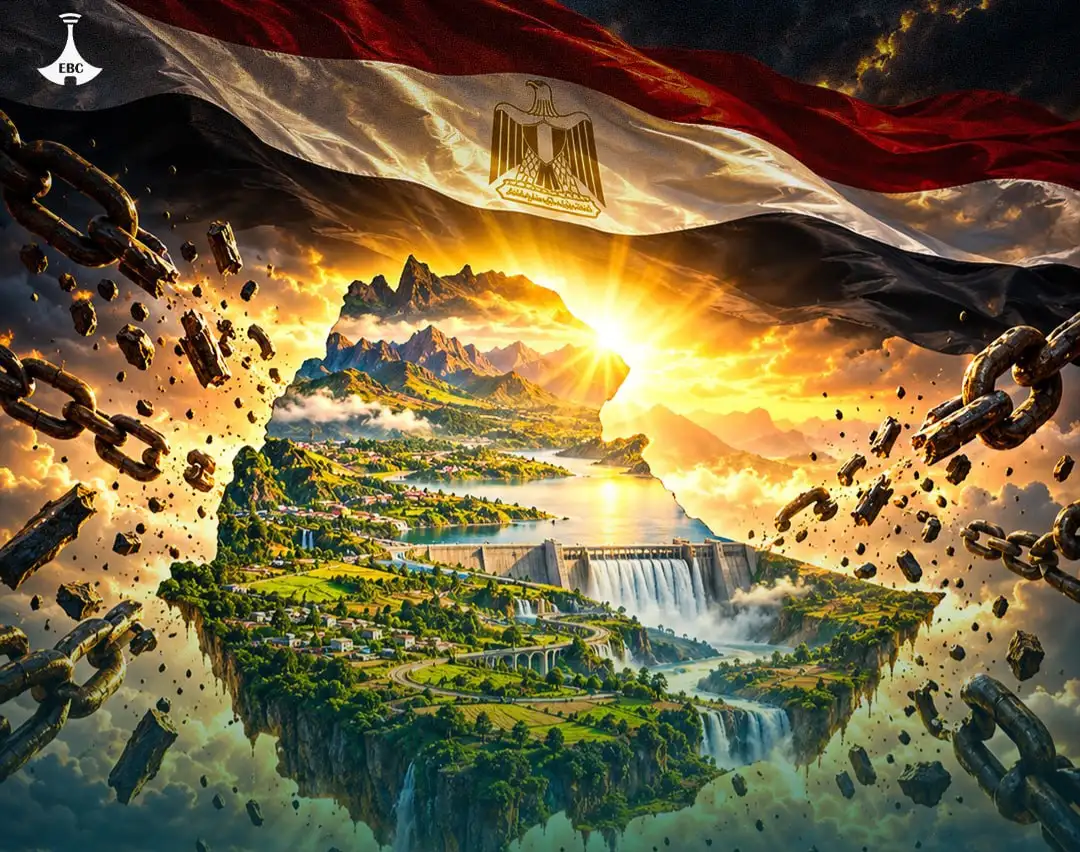
By framing itself solely through the lens of Nile dependency, Egypt has inadvertently masked its true status as a water-wealthy nation. This ongoing bamboozling of the global community serves a distinct political purpose, ensuring that the Nile remains the primary focus of international diplomacy. Yet, from a hydrological perspective, the seemingly arid expanses of the Western Desert are actually surfaces covering a vast, untapped subterranean sea.
While the existence of these aquifers provides a clear pathway to true water sovereignty, there are legitimate concerns regarding how Egypt currently manages its total water portfolio. Massive desert development projects, such as the New Delta and various expansion schemes in the Western Desert, have heavily involved the redirection of Nile water. Critics point out that diverting this surface water into open canals and artificial lakes in the heart of the desert leads to massive evaporation losses, a problem exacerbated by the extreme heat of the Sahara.
If Egypt truly aims to unlock its potential, a strategic shift is necessary. The country must move away from the energy-intensive and wasteful redirection of surface water and pivot toward the sophisticated, controlled extraction of its buried underground riches. Furthermore, by integrating the vast reserves of the NSAS with rapid advancements in desalination technology—which currently produces up to 2 million cubic meters daily—Egypt has the tools necessary to completely transcend the limitations of the Nile.
Egypt currently stands at a crossroads. It can continue to utilize the narrative of scarcity to maintain a specific position in regional geopolitics, or it can confidently lean into its reality as a water-rich nation. The world must recognize that the outdated story of a water-scarce Egypt no longer holds true. With massive underground reserves that completely defy the traditional metrics of surface-water dependency, Egypt is a nation brimming with significant untapped potential.
Ultimately, the future of Egypt’s water security does not rely solely on the rain that falls in the Ethiopian Highlands, but on the ancient water that has been safely stored beneath its feet for millennia. The resources are undeniably there; the only remaining challenge is the political will to harness them sustainably.