By: Fistum Getachew
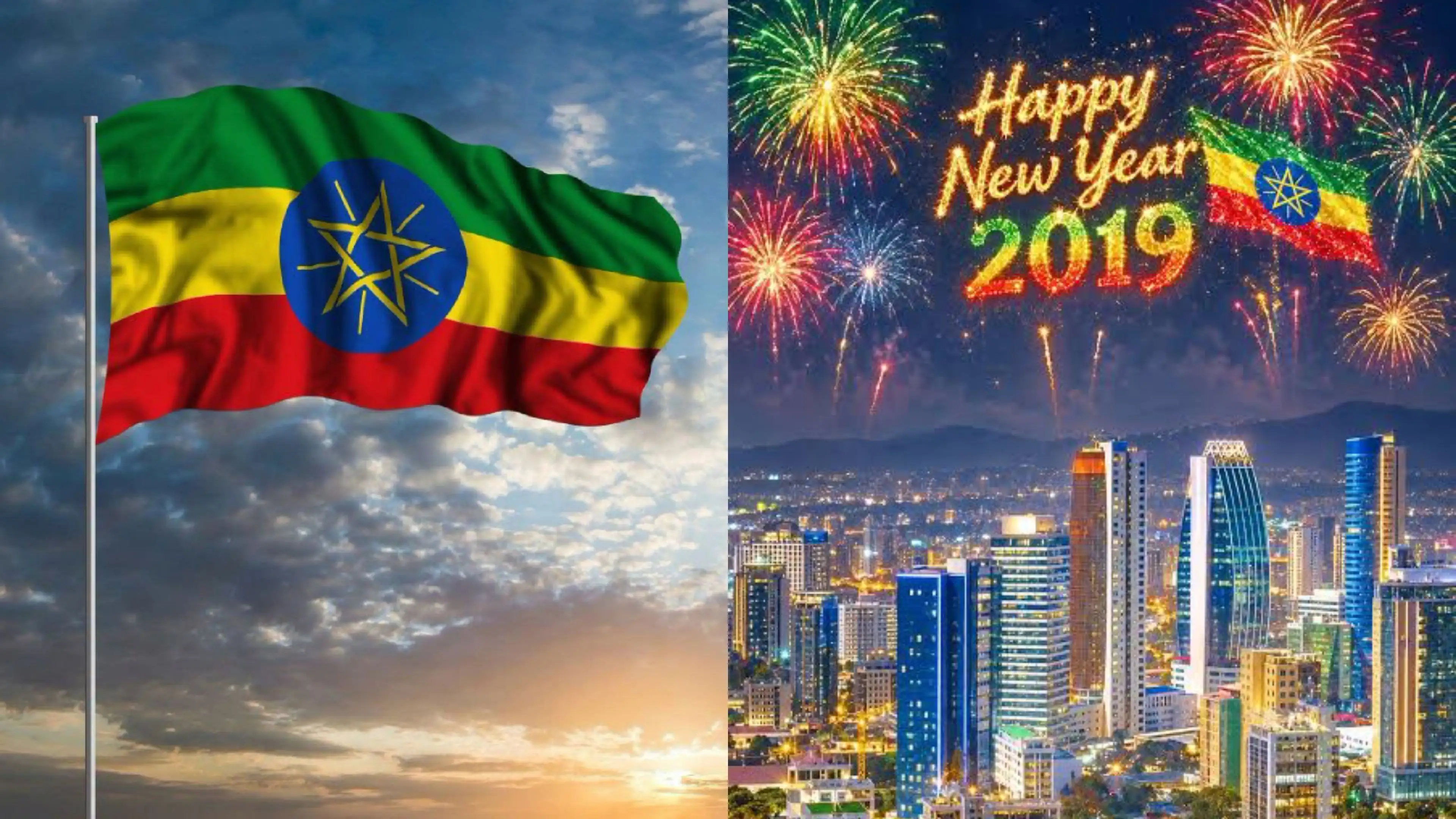
Ethiopians have just celebrated their new year while at the same time they are waiting for the formation of a new government, a direct result of the recent successful 7th General Election held last June 1st 2026. There are great expectations among the general public also because usually when a new year begins there is a general feeling of optimism and hope that things will turn out to be always better than what they used to be. Ethiopian new year always begin with a bright atmosphere also because the season changes from one full of cold air and rainy days to sunny and warmer days. The new year usually heralds better days than the rainy and darker days of the ending old year, at least in climatic terms. But here the ‘climatic season’ has overlapped with the ‘political season’ and Ethiopians are expecting a lot from their new government, a result of their choices, a result of their votes.
We can say the Ethiopian year 2018 has ended with a high in many respects, even if the international geopolitical situation has been more and more complicated and complex affecting inevitably the whole world, particularly developing countries such as Ethiopia whose main source of livelihood relies on its relations with the outside world. What makes Ethiopia even more vulnerable than others is definitely its geographical location at the crossroads of Europe, Asia and Africa right at the Horn of Africa.
This area is of course the route which links these continents beside being the passage for a huge percentage of world trade and transactions beginning from the source of energy to be shipped to the entire international market and of course the import of various goods and merchandizes coming from places such as Europe, the Americas and the Far East. We have seen very recently due to the instability around the Strait of Hormuz international trade has been severely affected resulting in new hikes in many commodities such as fertilizers but particularly fuel prices with obvious negative ramifications in the international trade transactions.
The war between Iran on the one hand along with its allies and Israel, and the US on the other, has immediately created a sense of anxiety that the conflict would involve ever more states and that would result in more and more disruption of international trade transactions and economies as a whole. For a country such as Ethiopia which relies a lot on import and export and hence international exchanges of trade, any disruption to the international traffic begets serious direct and immediate consequences.
Ethiopia is a huge country with a huge population and given that it is growing at one of the fastest paces in the world, any disruption in its economic potential could have very serious repercussions and damages. The fact that it has to face these situations without being able to influence its outcome, let alone anticipate and prevent it or dodge it, any instability on the famous route around the Gulf of Aden and the Persian Gulf as well as the Red Sea area complicates things and could inflict serious harm on the economic dynamics of the nation.
Economists say that when there is fast economic growth, some sort of inflation may be unavoidable but when this phenomenon gets higher than what could be rated ‘healthy’, the cost of living risks to destroy all the benefits of the attained or expected growth. Economic growth should be higher than the rate of inflation if things can be viewed or tolerated in some positive manner. But if the contrary is true, the net benefits turn to be negative and be a source of complaint and even protest among the public.
The volatile situation in the Middle East and environs has remained a source of anxiety and the direct and indirect results have been felt around the world beginning from the price of fuel, there have been notable increases in the price of fertilizers because the movement of ships and international travel have been disrupted seriously. Where there is no security and safety in maritime transport, ship owners do not want to embark on any risky travel.
It is a fact that insurance fees that companies demand for maritime transport, especially in volatile situations are very high and trading companies may view this as a prelude to bankruptcy. At the end of the day, who pays for these excesses mainly and more markedly are countries such as Ethiopia which are directly and immediately vulnerable to and are affected by the disruptions and are forced to weather huge losses from their meager economic coffers.
As the situation in the Middle East and environs is still not settled and there are few indications of progress in the right direction, countries particularly in the developing world are worried that things might even worsen with harder days to come. Ethiopians hope that the situation will have prompt end and things will return to where they were during the pre-February 28, 2026 period, when the conflict with Iran actually began.
In the meantime, despite certain challenges faced during the ended period, Ethiopians are experiencing positive results from what has been carried out. Among the most notable successes of the year can be cited the growth of the economy acknowledged also by international financial bodies, the increase in agricultural products and export items that are precious for the collection of more foreign currency, the sharp increase in the export of coffee, the growing income from the export of gold and other precious metals, the sharp growth in the tourism sector and consequent income also from conference tourism all add up to the positive numbers of the year. In this regard, the success of the National Dialogue Conference that was held at the end of the year, can also be cited here along with the vast follow up in the yearly Green Legacy Initiative campaign that has given the country a new and brilliant image as a climate change combatant and true champion.
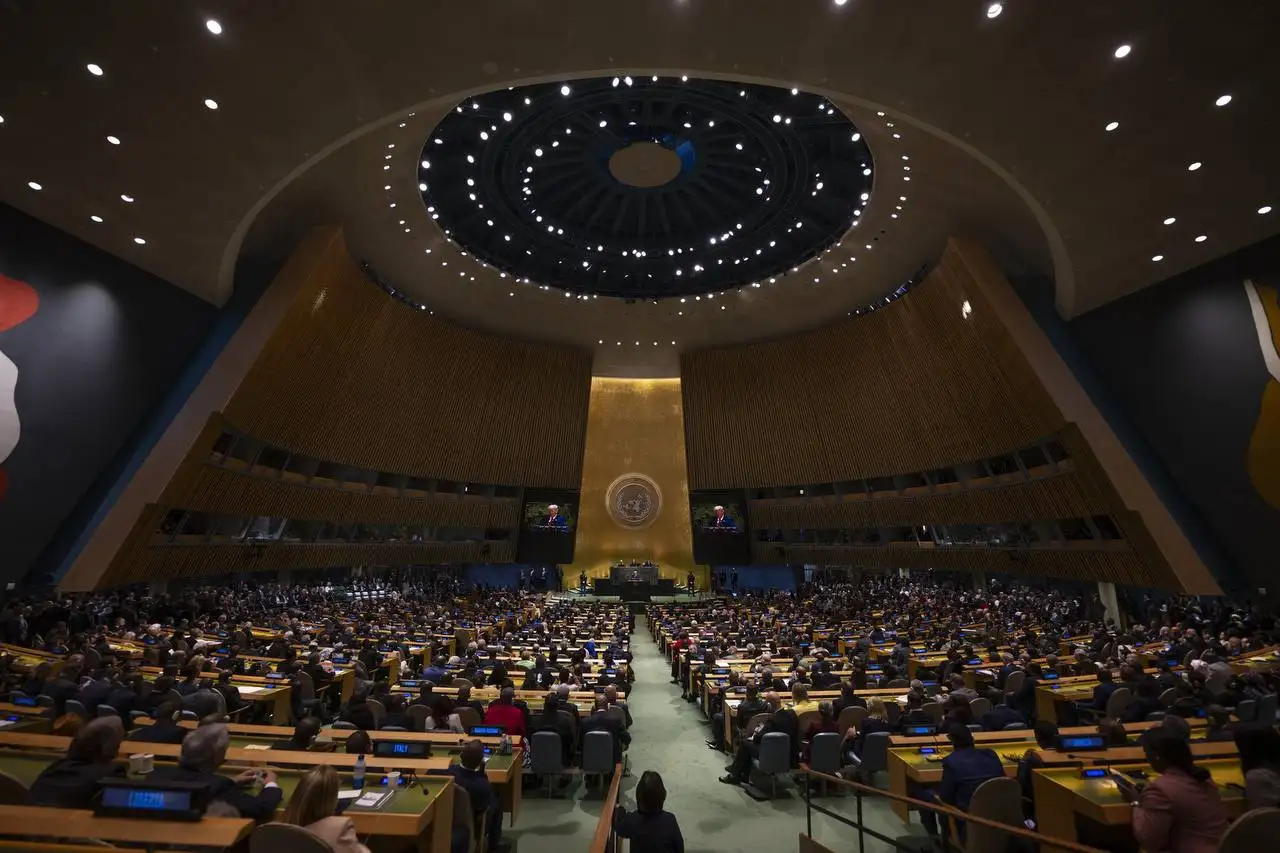
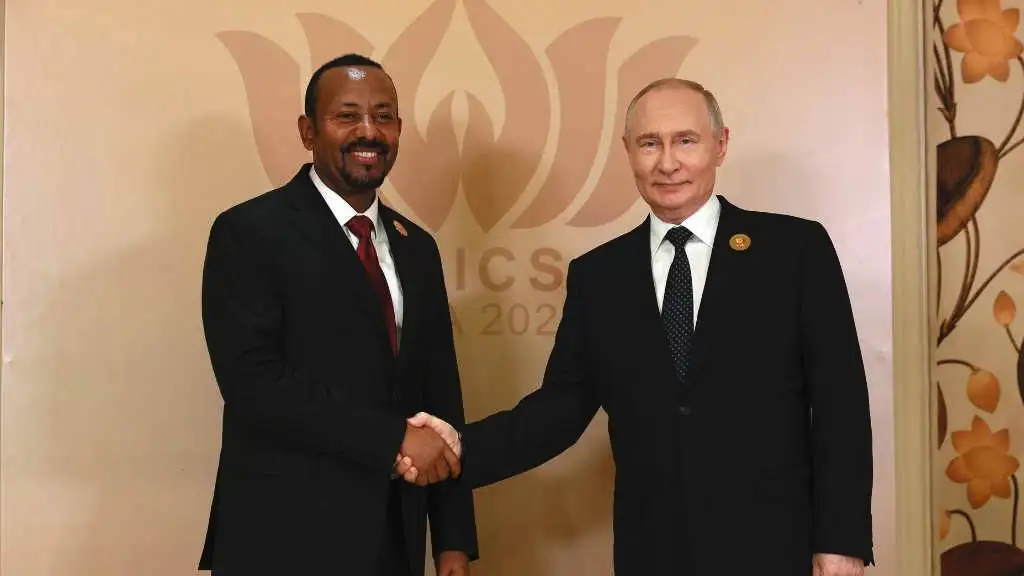
In the diplomatic field, Ethiopia has continued to defend its national interest at every international event carried out during the past year including the beginning of this year. The recent presence and participation of Ethiopia at the 18th BRICS summit held in New Delhi, India, can be added to the list of diplomatic successes because Ethiopia had the occasion to advance and promote its national interests in various ways at such august occasions. The various developments in the diplomatic circles have moved the country to remarkable success because Ethiopia has continued to nurture its interests in its engagements with neighbours. For instance the meetings and talks held between Prime Minister Abiy Ahmed (PhD) and President of Djibouti Ismail Omar Guelleh and Kenyan President William Ruto can be mentioned.
Ethiopia believes in close ties with neighbours and of course friendly relations with other countries as well. When there are issues to be resolved with other countries it believes in sitting around a table and discuss in diplomatic terms without necessarily resorting to misunderstandings, confrontation and avoidable hostilities.
Among the very recent controversies with foreign countries can be mentioned the one with Egypt and even the Eritrean government both of which have been reported to have involved themselves in certain destabilizing activities and interference in the internal affairs of Ethiopia. The not so covert involvement of these countries in the internal affairs of Ethiopia has been condemned by not only Ethiopia but also by forces which have interest that Ethiopia be a strong and stable growing country that can solidly contribute to the growth, stability and economic integration of the sub-region and even at a larger scenario of the continent.
It has been found out that that these two governments do not want Ethiopia to continue to grow and become an influential body in regional politics because they mistakenly feel threatened by Ethiopia’s growth and prosperity. They like it or not, Ethiopia will definitely continue to grow because it is committed to do so and for that it cannot forfeit its rights to develop the Nile water and its basin even if Egypt insists in accusing it of trying to ‘dry’ it and constitute an existential threat which has been debunked even by their own scholars and many reputed international hydrologists. At the same time, Ethiopia is now pushing for a space on the Red Sea coast because it is convinced that a major injustice has been committed against it some three decades ago when it found itself suddenly landlocked!
Clearly, this situation cannot be digested by Ethiopia because of a number of easy to list out factors. The history of Ethiopia shows that it has always had access to sea until a notorious confusion happened when Eritrea seceded from Ethiopia thus condemning unjustly to it being landlocked despite the fact that it is only some kilometers away from the Red Sea coast and is potentially immediately exposed to any negative development that may happen on the coast without it having the chance to defend itself and its national interests.
The government has made it clear that there cannot be any compromise on the defense and preservation of its national interest and securing reliable access to sea around the Red Sea will be one of its strategic objectives both in the short term but also in the long term. For this purpose it has disclosed that it has developed a strong maritime force both for civilian as well as security purposes. While denouncing all the negative and dangerous rhetoric that comes from the governments of Egypt and Eritrea as baseless and unfounded that Ethiopia is working to hurt them, it has made it clear not only to these countries but also to international observers that Ethiopia has no bellicose agenda against any of them and others as well except that it needs to protect its national interest while preserving its sovereign rights. Here international law and practice support it.
Ethiopia cannot afford to disregard its national security and safety and be exposed to all sorts of hostile involvements in its internal affairs that disrupt its fast trajectory of growth. That is why it is openly asserting its rights without encroaching on other nations’ or peoples’ rights! This is also in strict conformity with its age old diplomatic moves that have made it a reputable country that respects international law and practice, in pursuing its interest on the Red Sea and along the Nile (Abay) basin.
Ethiopia is committed to full compliance of established international law and practice. It adheres to the principles of peaceful negotiation and diplomacy with reciprocal benefits and advantages and good faith. This is a win-win scenario. It believes firmly that any dispute and misunderstanding can be resolved through talks and negotiation and not through the intrusion in any other states by using ‘Trojan horses’ and serving as a base for hostile forces that operate against Ethiopia.
The Ethiopian government has reiterated that Ethiopia cannot tolerate these moves and there are no doubts that it has every right to take the necessary measures to protect its sovereignty, peace and stability. And it has all the means it needs to assert and defend its legitimate rights. In this respect the new year will usher in new positive developments and Ethiopia’s trajectory of growth will not be hampered by certain forces that try to gather and launch any sort of propaganda and narratives.