Ethiopia’s Medemer philosophy provides a powerful framework for African nations to harness collective capabilities, drive national transformation and achieve shared prosperity, Bikila Hurisa, Coordinator for Democratic System Building with the rank of Minister at the Office of the Prime Minister, told ENA.
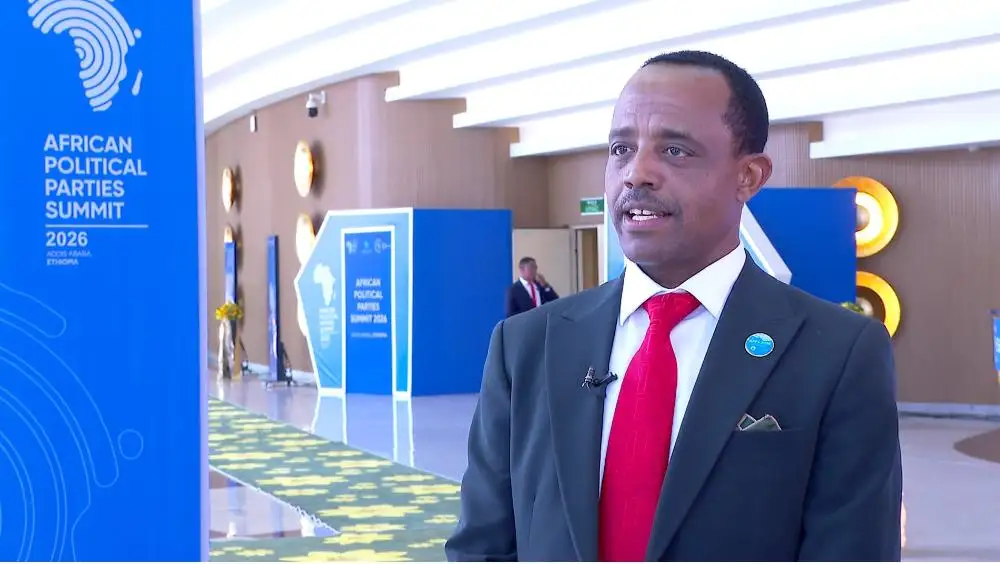
Speaking on the sidelines of the Second African Political Parties Summit in Addis Ababa, Bikila said Medemer is rooted in cooperation, unity and synergy. By embracing collective action, African countries can pool their resources and strengths to address common challenges and advance sustainable development.
He described Medemer as “the philosophy of cooperation, coming together, joining hands, and connecting the past, the present, and the future.” The philosophy has guided Ethiopia’s political, economic and social reforms over the past eight years, he noted, and offers valuable insights that other African nations can adapt to their own contexts.
“This philosophy is not limited to Ethiopia and Ethiopians; it could serve as a strong springboard for all African countries to emulate and customize to their practical realities,” Bikila said. Medemer enables countries to convert fragmented national potential into collective capacity in pursuit of shared prosperity.
Realizing this vision, he stressed, requires political parties to rise above partisan differences and prioritize citizens’ welfare. Reflecting on the summit’s theme, “Governing for Growth: Political Parties as Architects of African Political and Economic Future,” Bikila observed that the participation of both governing and opposition parties signals a growing commitment to national progress.
“Whatever idea you have, whatsoever ideology you are governed with, ultimately you have to work for the transformation of the lives of your citizens and the economic transformation of your people,” he said. The true measure of a political party’s success, he added, lies in tangible improvements in citizens’ lives rather than electoral victories or the pursuit of power.
“Governing for growth is beyond competition. Governing for growth is beyond an electoral cycle. It is beyond enjoying power,” Bikila emphasized.
He further highlighted Medemer’s focus on preparing the next generation of leaders. “The young generation is a real promise of the future of Africa,” he said, calling on political leaders and institutions to invest in youth so that future generations inherit strong, united, productive and prosperous African states.