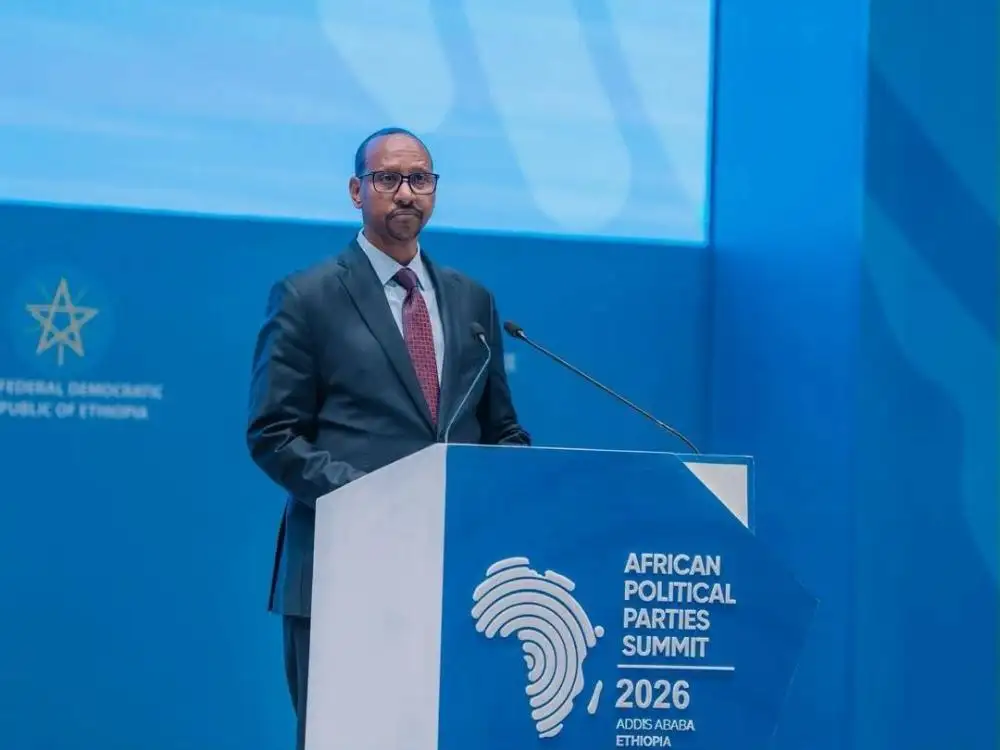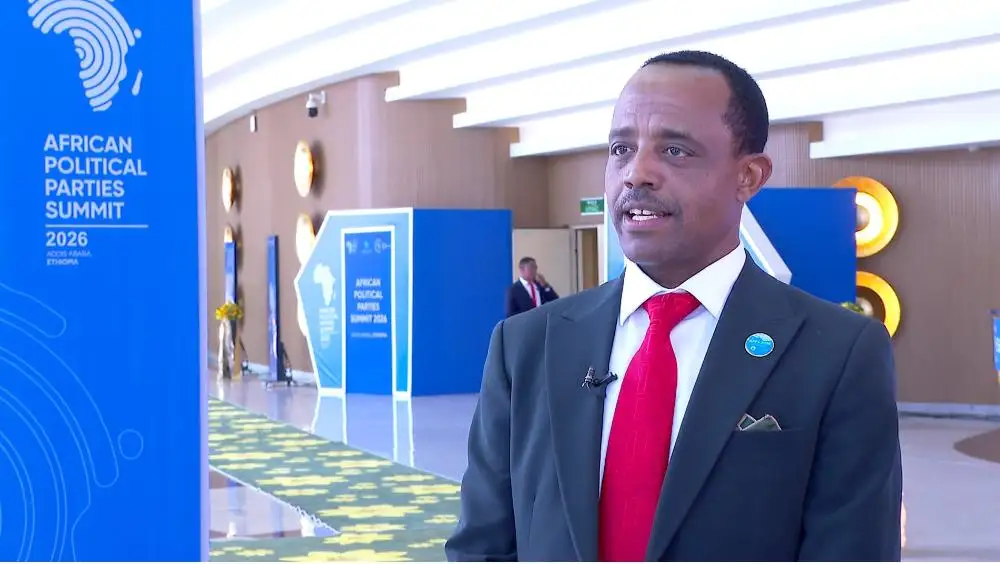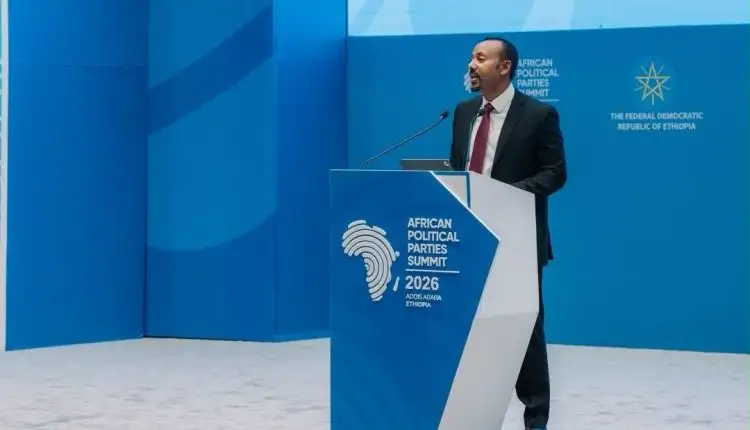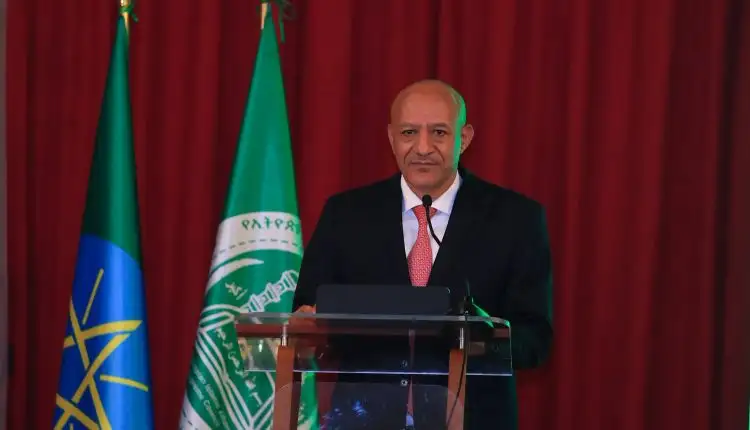
Deputy Prime Minister Temesgen Truneh has underscored Ethiopia’s profound Islamic heritage as an enduring source of national strength, calling for its preservation and strategic contribution to nation-building, cultural renewal and stronger international relations.
He made the remarks while attending the closing ceremony of the Second Year, First Regular Assembly of the Ethiopian Islamic Affairs Supreme Council. In a subsequent social media post, Temesgen described the heritage—rooted in faith, justice, compassion and peaceful coexistence—as a significant national asset that should be harnessed to build a more united, prosperous and dignified country.
The Deputy Prime Minister highlighted Ethiopia’s historic place in the development of Islam, recalling its role as the destination of the first Hijra, when early Muslims found refuge from persecution under the protection of the Kingdom of Aksum. He also cited the country’s connections to prominent figures in Islamic history, including Umm Ayman and Bilal, as well as the enduring legacy of Negash and Harar as symbols of religious tolerance, Islamic learning and spirituality.
This heritage, he said, should extend beyond historical remembrance and serve as a foundation for national development, cultural preservation, tourism and deeper engagement with the international community.
Temesgen emphasised the contribution of spirituality and religious institutions to Ethiopia’s moral and social foundations. He noted that the Medemer Government recognises faith as an important source of peace, solidarity and national progress when guided by wisdom and directed towards the common good.
Reflecting on the story of Prophet Yusuf in the Holy Qur’an, the Deputy Prime Minister highlighted the enduring values of faith, perseverance, patience and hope in overcoming adversity and injustice. Drawing parallels with Ethiopia’s own history, he observed that the country has endured numerous trials and formidable challenges, yet the resilience of its people has remained unbroken.
He expressed confidence that Ethiopia will overcome its current challenges and reclaim its place as a nation of dignity, strength and civilisation. The responsibility for building the country’s future, he stressed, rests primarily with Ethiopians, requiring collective commitment to national development, unity and peace.
Faith, Temesgen added, should be reflected not only in religious devotion but also in practical contributions to society—improving livelihoods, educating children, providing healthcare, preserving peace and expanding opportunities for future generations.
He concluded by calling for Ethiopia’s spiritual inheritance to be translated into tangible achievements that leave behind a more united nation, greater opportunities and renewed hope for generations to come.