
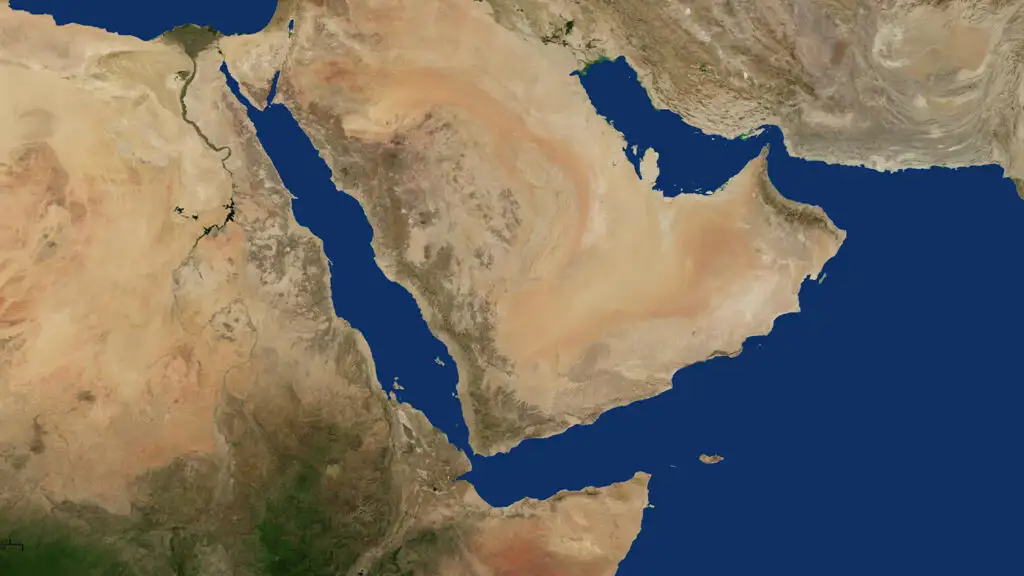
The long-standing ambition for Ethiopia to secure its own access to the sea is not a matter of luxury but a fundamental issue of national survival intended to protect the fate of future generations, according to experts and officials.
Scholars argue that the landlocked nation’s pursuit of a maritime outlet is rooted in equity. They suggest that for decades, Ethiopia has been systematically pushed away from the coast by historical adversaries—a geopolitical isolation that places a direct economic burden on every Ethiopian citizen. Experts warn that failing to resolve the issue now will leave a "legacy of hardship" for the youth of tomorrow.
Dr. Meseret Molla, a business consultant and member of the House of Peoples' Representatives, argues that the necessity of a seaport transcends simple commerce. It is argued that direct maritime access is essential for fostering national unity and driving regional trade integration. "To build an economy and a naval force capable of supporting a population as large as Ethiopia’s, a sea outlet is an absolute necessity," Dr. Meseret stated.
Drawing comparisons to other coastal nations, Dr. Meseret noted that maritime ownership allows states to secure their sovereignty and manage their economies directly. However, there is a caution that Ethiopia’s "fair and legitimate" request is being met with resistance. Dr. Meseret accused historical opponents of distorting the narrative and launching misinformation campaigns to obstruct the country’s progress.
The call to action now extends to the country’s intelligentsia. Media professionals, scholars, and activists are being urged to advocate for Ethiopia’s position using evidence-based research and international legal principles. By countering "false narratives" with academic study, supporters hope to rectify historical decisions that have left the country dependent on its neighbors for trade.
Government officials close to the negotiations have been urged to maintain transparency and competence, ensuring the public understands that the quest for a port is, at its heart, a struggle for the country’s long-term existence.