
By: Goshu Melisew
For Ethiopia, the question of sea access goes far beyond reaching a port. It is closely linked to the country’s economic growth, expanding trade, regional integration, and long-term strategic interests.
In the 21st century, reliable sea access has become an important factor in economic resilience, energy security, international trade, and global competitiveness. Countries connected to major maritime routes can move goods more efficiently, reduce transportation costs, and strengthen their links to international markets.
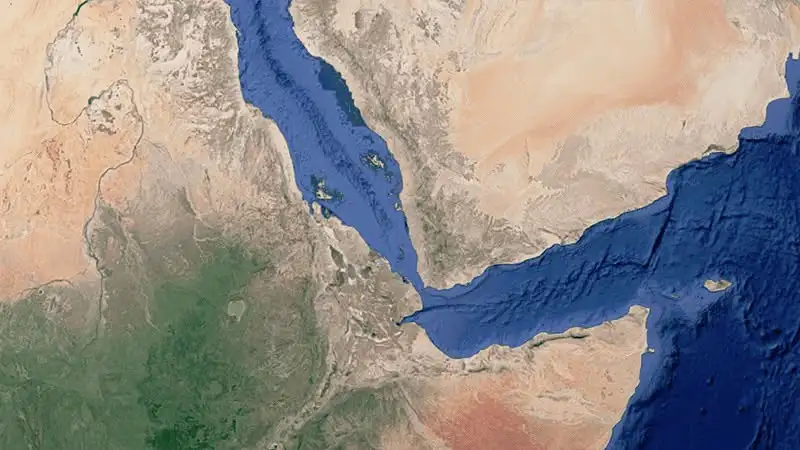
This reality is particularly significant in the Red Sea and the Horn of Africa, a region positioned along one of the world’s most important trade corridors connecting Africa, the Middle East, Europe, and Asia. Greater cooperation over access to these routes could create opportunities not only for trade, but also for regional integration, shared economic growth, and stability.
For Ethiopia, one of Africa’s most populous countries and a major economy in the region, the need for dependable and diversified access to international markets is becoming increasingly important. As manufacturing, agriculture, industrial production, and cross-border trade expand, efficient logistics and reliable connections to global shipping networks become increasingly critical.
The benefits of sea access also extend far beyond the port itself. Ports can serve as gateways for broader infrastructure development, including roads, railways, power networks, logistics hubs, and telecommunications systems. These connections can strengthen trade corridors, link neighboring economies, and create new opportunities for investment and employment.
For this reason, Ethiopia’s interest in sea access can be viewed within a broader framework of regional economic cooperation. Improved connectivity can provide opportunities for stronger economic partnerships, deeper diplomatic engagement, and mutually beneficial development across the Horn of Africa.
However, achieving greater regional integration will not be without challenges. Political tensions, security concerns, infrastructure limitations, and competing national interests continue to affect connectivity and trade across the region.
At the same time, continental initiatives such as the African Continental Free Trade Area (AfCFTA), regional transport corridors, and cross-border infrastructure projects provide a framework for addressing these challenges and expanding economic cooperation.
The emerging reality is clear: the future of the Horn of Africa will depend increasingly on connectivity and cooperation. Sustainable development requires countries to pursue their interests through dialogue, mutual respect, negotiated arrangements, and shared economic opportunities.
For Ethiopia, therefore, sea access is not simply a question of ports and shipping. It is part of a wider vision of economic transformation, regional connectivity, and integration into the global arena.