The isolation of Ethiopia from the Red Sea was no mere twist of historical fate. It was a calculated, cold-blooded orchestration by coordinated external and internal forces that effectively stripped the nation of its geographic destiny.
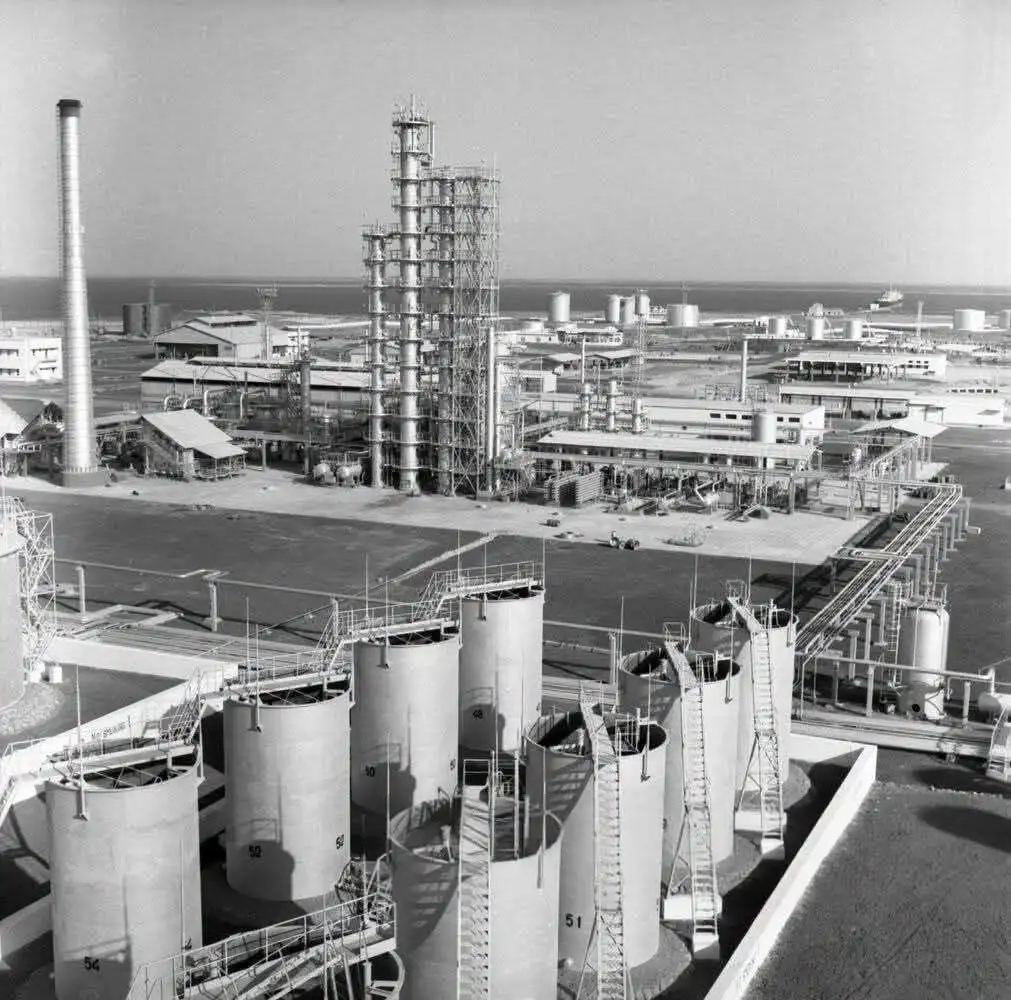
Today, this legacy of dispossession serves as a living, breathing reminder for a new generation tasked with understanding and reasserting their regional rights. At the very heart of this geopolitical tragedy stood the massive oil refinery at the Port of Assab—a towering industrial monument designed to anchor Ethiopia’s economic sovereignty and guarantee its energy independence.
Built with the technical muscle of the Soviet Union and funded by a staggering Ethiopian government investment exceeding 23 million Birr, construction on the refinery began in January 1964 and concluded in October 1967. It stood proud as the nation's premier heavy industry milestone, eventually ramping up its muscles to refine a massive 800,000 metric tons of crude annually.
Yet, the promise of this industrial crown jewel was abruptly derailed in May 1991 when Assab was handed over to the Eritrean People's Liberation Front. While initial diplomacy attempted to hammer out a framework for shared access, the incoming Eritrean administration systematically dismantled the principle of mutual benefit.
By slapping exorbitant refining tariffs on infrastructure built entirely by Ethiopian sweat, and demanding that Ethiopia shoulder the astronomical costs of modernizing the aging facility, they forced the refinery into a financial death spiral. The final blow landed in 1997, when the facility was permanently shut down, leaving a vital economic engine to rust away.
The economic fallout, however, was quickly eclipsed by a harrowing humanitarian catastrophe. Before the regional fracture, Ethiopians made up roughly 70 percent of Assab’s population, serving as the literal heartbeat of the city’s bustling docks, its oil refinery, and its electrical grids. When secession turned into an outright border war, hundreds of thousands of these vibrant residents were systematically stripped of their livelihoods, their homes, and their dignity.
Many were thrown into brutal detention camps, enduring horrific physical violence before being ruthlessly expelled empty-handed—some even suffered the cruelty of having their gold teeth forcibly extracted before being marched across the border. Simultaneously, more than 130,000 metric tons of commercial goods and imports belonging to Ethiopian merchants were unlawfully seized at the port.
Though the Eritrea-Ethiopia Claims Commission later verified this institutionalized looting and ordered compensation, the Ethiopian leadership of that era utterly failed to champion its own people. Instead of standing up for its victimized citizens or securing vital maritime access, the regime bizarrely acted as a mouthpiece for external interests, treating the victims like criminals.
Beyond the immediate ledger of stolen wealth and broken lives, the loss of the coastline fractured the ancient, sacred unity of the Afar people. Despite sharing a seamless culture, language, and ancestral territory, the Afar community was violently sliced in two by a geopolitical plot designed to strangle Ethiopia’s regional influence. Severed from its natural geographic connection to the Ethiopian hinterland, Assab withered. Over the last 35 years, a city that once throbbed with international commerce has been starved of development, left to stagnate as little more than a quiet, isolated outpost for camels.
Today, Ethiopia’s relentless pursuit of direct sea access is not a luxury; it is an existential necessity driven by these historical grievances and modern economic claustrophobia. Without a sovereign port, the nation bleeds an astronomical 1.5 to 2 billion dollars every single year just in maritime service fees.
Prime Minister Abiy Ahmed (PhD) underscored this high-stakes challenge during an address to the House of Peoples' Representatives, revealing that following the 2018 peace accord, Ethiopia made a genuine, open-hearted offer to fully finance the rehabilitation of Assab’s legacy infrastructure to turn it into a shared economic powerhouse. That diplomatic hand of friendship was ultimately bitten when the Eritrean government slammed its doors shut.
Moving forward, healing this historical wound requires a bold approach rooted in modern geopolitical realities rather than isolation. By forging a regional economic corridor that honors the unbreakable social and economic bonds of the Afar people, the new generation can transform past sorrows into a blueprint for shared regional prosperity.