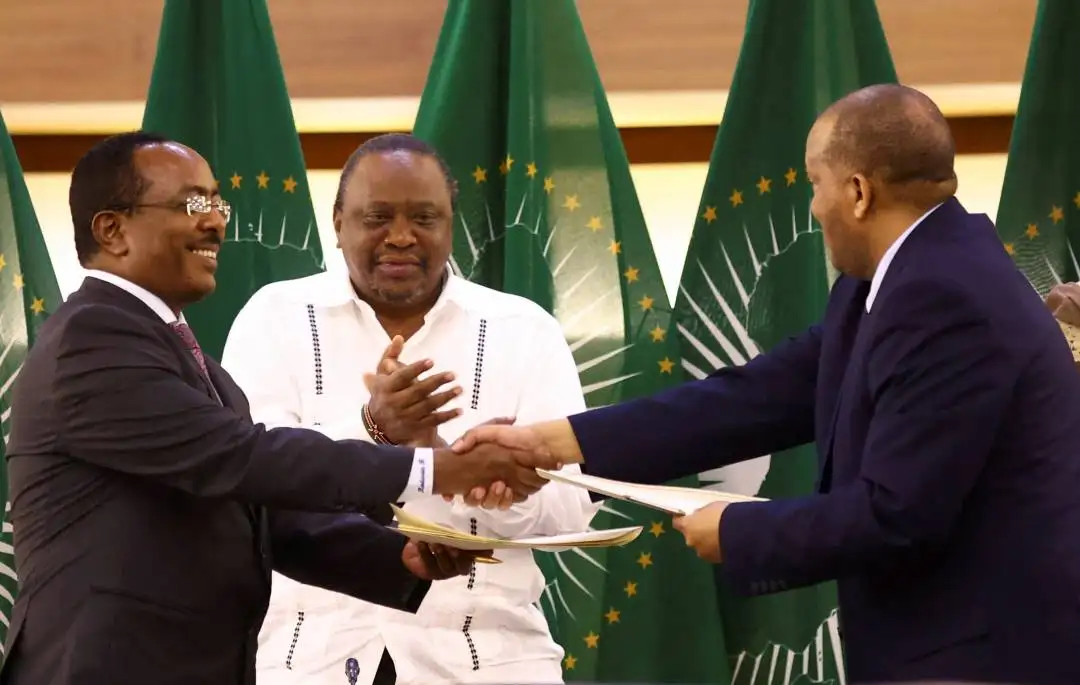
Nearly four years after the signing of the Pretoria Peace Agreement, Ethiopia has focused on rebuilding a nation emerging from conflict. Across the country, economic reforms, infrastructure development, digital transformation, and regional integration initiatives reflect an ambition to secure lasting peace and accelerate development. These achievements, however, remain fragile. Any return to violence would not only undermine Ethiopia's progress but also threaten the stability of the wider Horn of Africa.
The Tigray People's Liberation Front (TPLF), once the dominant political force within the Ethiopian People's Revolutionary Democratic Front (EPRDF) coalition and the leading party in Ethiopia's federal government for nearly three decades, now occupies a fundamentally different place in the country's political landscape. Since the Pretoria Agreement, political divisions within the TPLF and disagreements over implementation of the peace accord have continued to generate uncertainty. Ethiopian officials have argued that certain factions within the TPLF are pursuing actions that could jeopardize the peace process and reverse the gains achieved since the end of active hostilities.
Among the concerns raised by the Ethiopian government are allegations of renewed recruitment efforts, activities inconsistent with the Pretoria Agreement, and contacts with external actors that officials believe could heighten regional tensions. These allegations are disputed by the factions concerned. At the same time, international human rights organizations have documented allegations of forced recruitment and other abuses in parts of Tigray and have called for independent investigations and accountability wherever violations have occurred. The continued implementation of the Pretoria Agreement remains essential to preventing renewed conflict and protecting civilians.
The international community has also emphasized the importance of preserving peace in northern Ethiopia. The United States has imposed visa restrictions on certain individuals it says were responsible for actions that undermine peace and stability in Ethiopia, reaffirming its support for full implementation of the Pretoria Agreement through dialogue rather than violence. These measures reflect broader international concern that renewed conflict would have consequences extending beyond Ethiopia, affecting regional security, humanitarian conditions, trade, and investment throughout the Horn of Africa.
The Horn of Africa stands at a decisive moment. Its future should not be determined by renewed confrontation or political rivalry but by dialogue, constitutional governance, and regional cooperation. Lasting peace requires every political actor to reject violence, respect existing peace commitments, protect civilians, and pursue political differences through peaceful means. The people of Tigray, like all Ethiopians, deserve security, opportunity, and a future free from the burden of recurring conflict. Likewise, the broader region deserves a future defined by connectivity, economic integration, and shared prosperity rather than instability. Peace must not be held hostage by political disputes. It must remain the foundation upon which Ethiopia and the Horn of Africa build a more secure and prosperous future.