By: Fenet Yohannis
The Nile River should no longer be treated as a colonial inheritance or a river owned by the few who happen to sit downstream.
Egypt's diplomatic offensive against Ethiopia's Grand Renaissance Dam is rooted in that old logic. But law, the hydrology, and the datas tell a different story.
Over 85% of the Nile's water comes from Ethiopia's highlands. Ethiopians for long time were expected to give that water away for free while sitting in the dark. That is not cooperation; that is extraction.
Under international water law, specifically the UN Watercourses Convention, no upstream country needs permission from downstream neighbors to develop its own resources. The 2015 Declaration of Principles, signed by all three nations, never gave Egypt or Sudan a veto. It asked for cooperation, not submission.
Cairo's recent charm offensive across East Africa, offering deals to Tanzania and others, is a transparent attempt to isolate Ethiopia. But trying to diplomatically corner the country that feeds the river is like blaming the clouds for the rain.
And what about the dam itself? GERD is non-consumptive. It doesn't drink the water; it borrows it, spins turbines, and sends every drop back downstream. In fact, regulated flow actually helps Sudan by smoothing floods and stabilizing dry-season supply. An impressive neighborly engineering.
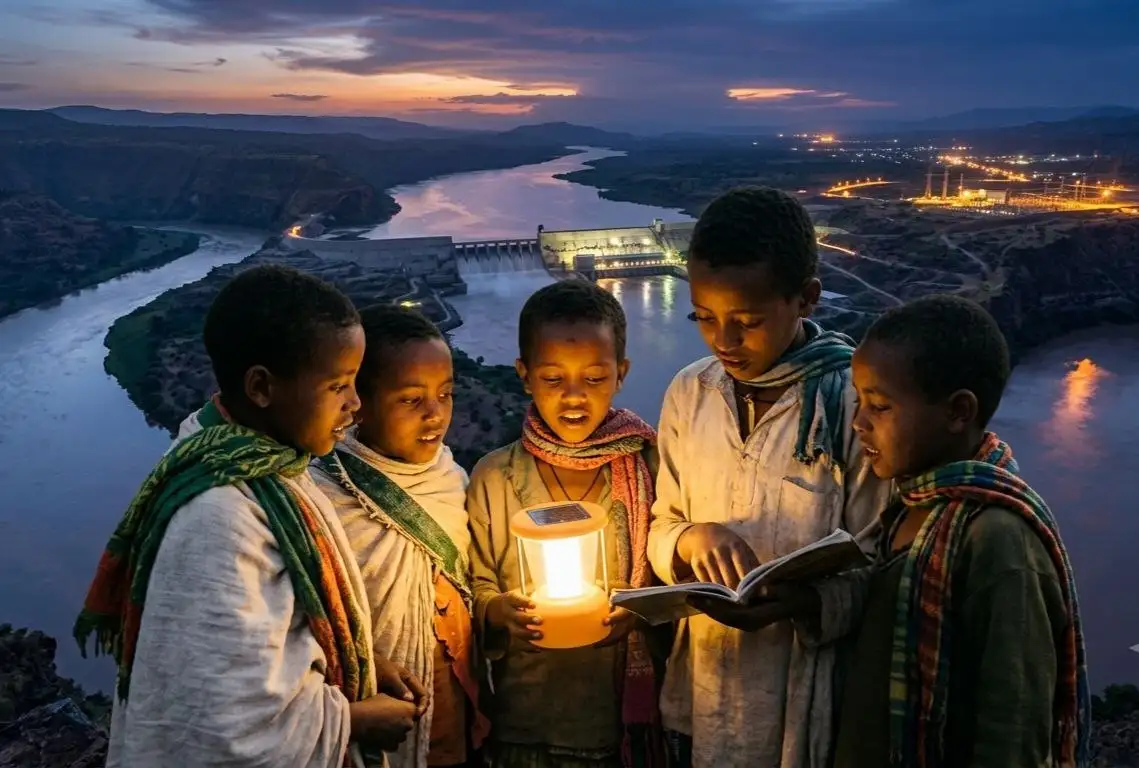
But beyond the legal jargon, this is about people. Tens of millions of Ethiopians still lack reliable electricity. The GERD was built not with foreign loans, but with citizen savings and domestic bonds. A testament to national sacrifice and pride. A power plant, not a weapon.
As the broader Nile Basin moves toward the Cooperative Framework Agreement, the region is signaling a clear shift: away from downstream dominance, toward shared equity. GERD is not the end of a conversation but the beginning of a fairer one.