
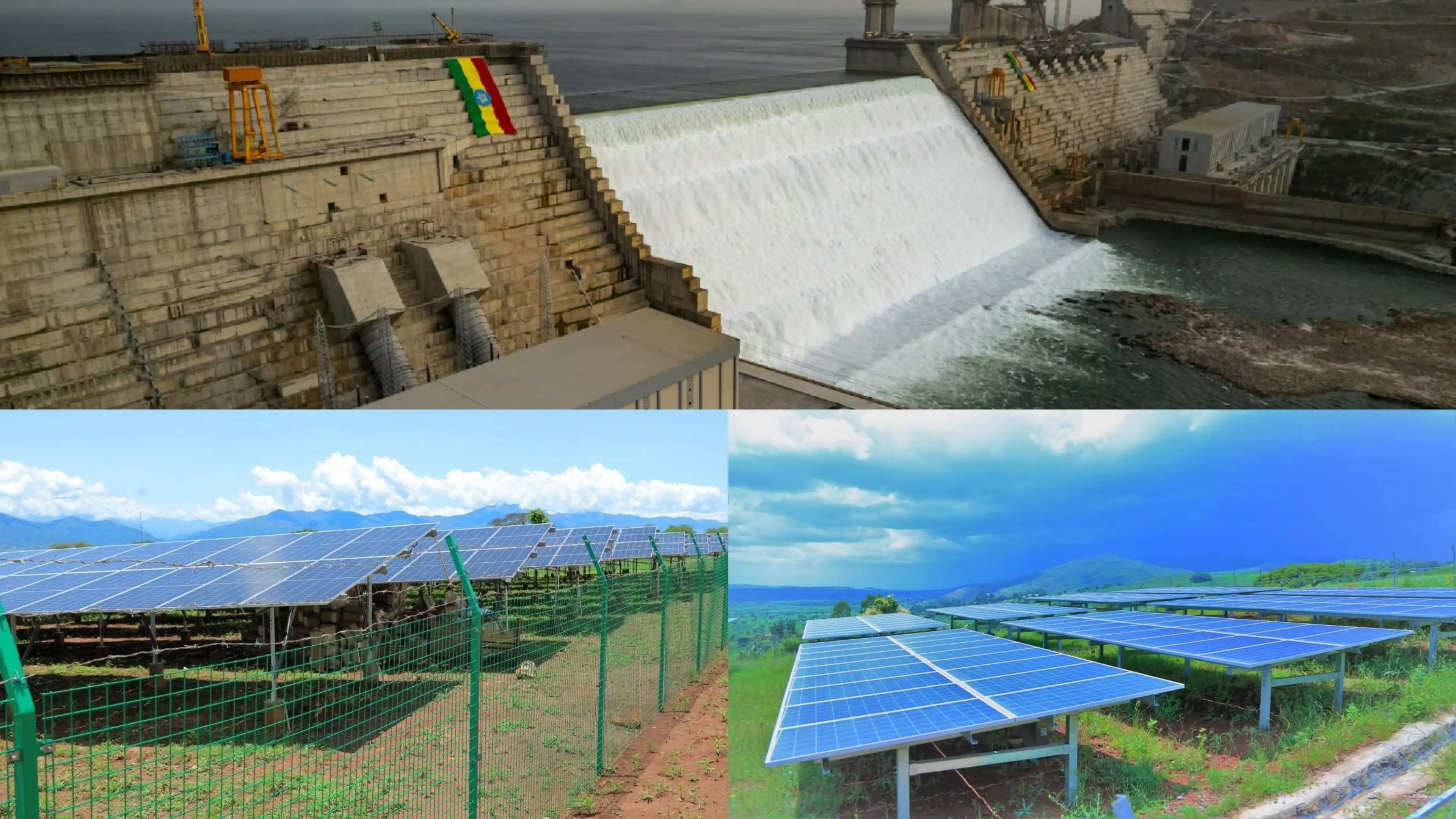
Ethiopia is writing an extraordinary success story, transitioning rapidly from modest power generation into a powerhouse of technology manufacturing as it surges to the forefront of the global clean energy movement.
While BRICS heavyweights like China, India, and Brazil drive 70 percent of global clean energy growth alongside fellow member nations that capture 51 percent of the world's solar production, Ethiopia made a bold strategic pivot in 2024. The nation expanded its output and fundamentally shifted its policy toward the local manufacturing of advanced solar technology components.
Proof of this rapid transformation is found in six state-of-the-art factories recently launched in Hawassa, Debre Berhan, and Addis Ababa. Starting from scratch just a year ago, the country has successfully established massive domestic solar cell production. These plants boast an astounding annual capacity of 20.3 gigawatts of solar cells—a staggering output that quadruples the total generating power of the Grand Ethiopian Renaissance Dam.
This remarkable technological leap has already outstripped the earnings of the traditional textile sector, pulling in over one billion dollars in annual foreign currency while unlocking the capacity to electrify 15 million households. Looking ahead, leveraging domestic lithium reserves for battery production is set to make Ethiopia 100 percent self-reliant in energy tech, cementing its status as East Africa's premier renewable energy hub. As BRICS nations cement their global leadership, Ethiopia's industrial leap proves that the clean energy revolution has entered a dynamic new chapter.