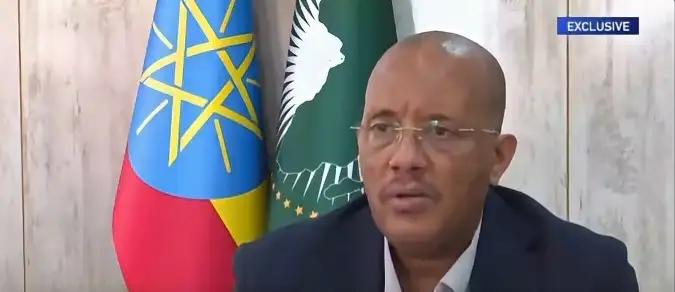
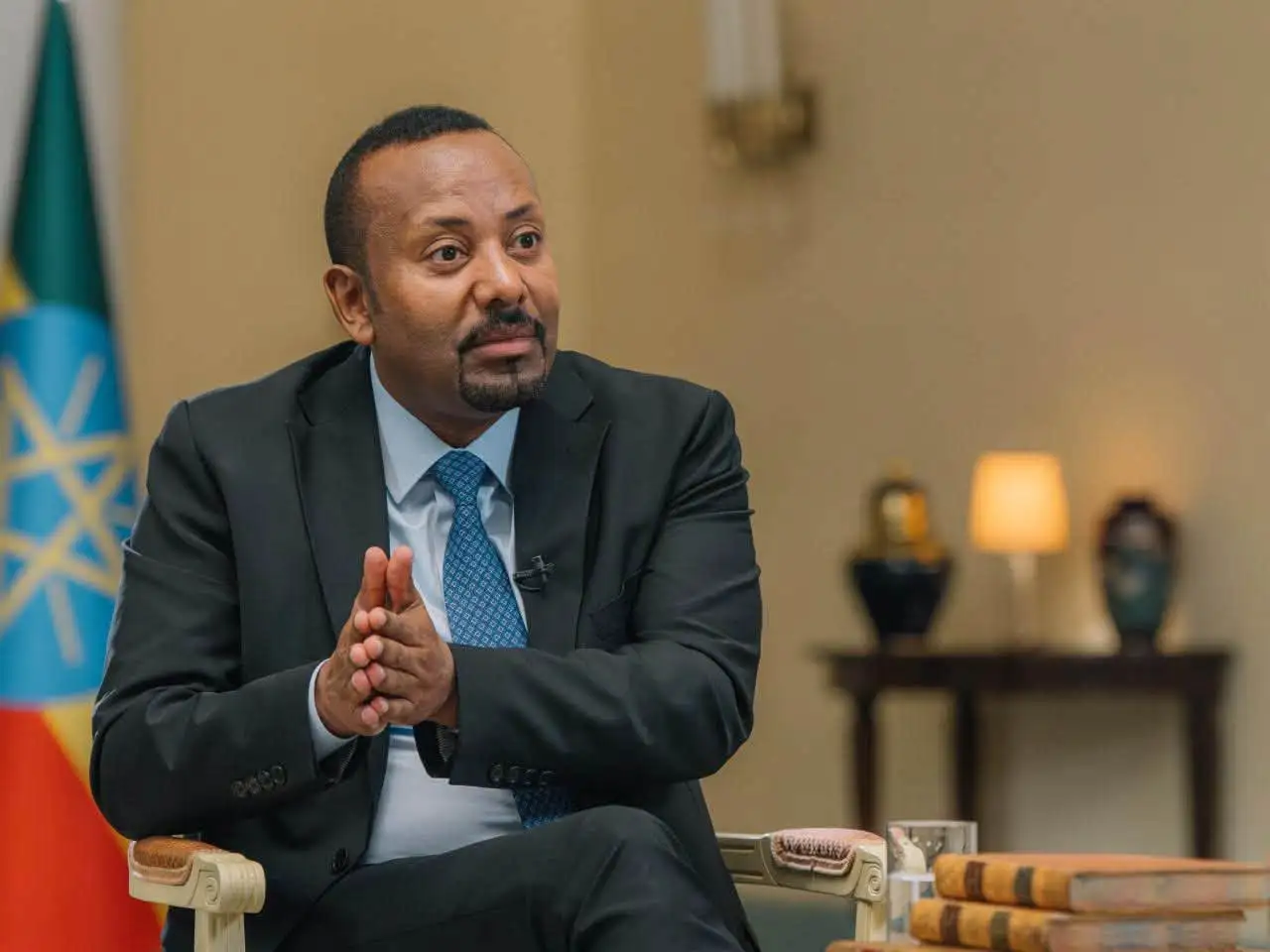
The Oromo people historically fought against corrupt governance, not Ethiopia itself, Prime Minister Abiy Ahmed (PhD) said tonight on the Oromia Broadcasting Network (OBN). Highlighting their sacrifices in building the country, Abiy emphasized that the Oromo quest for freedom and equality has always been deeply intertwined with Ethiopian nation-building.
Providing a broad explanation of the root causes of the Oromo people's long-standing struggle, the challenges they faced, and the reasons why achieving their ultimate goal was delayed, the Prime Minister categorized their fundamental demands into three main pillars: economic, identity, and democratic. Regarding economic demands, he noted the people's strong desire to own their land and resources, to prosper through their own hard work, and to transform their surroundings. He stated that the continuous confiscation and exploitation of land, which is the very lifeblood of the Oromo, alongside the denial of the farmer's right to cultivate and benefit from their harvests, became a primary catalyst for the struggle.
Addressing the identity question, he emphasized that this demand goes far beyond merely speaking Afaan Oromo. It is a profound quest encompassing the preservation of culture, true identity, and moral values (Safuu) and upholding respect for elders, nature, and the Creator. He noted that simply growing up with an Oromo identity and speaking the language does not fully answer this question, indicating that core demands regarding language, culture, and identity remain relevant today. Furthermore, on the democratic front, he explained that because the Oromo historically possessed their own inclusive and participatory Gadaa system, they have held a long-standing democratic demand to self-administer, draft their own laws, and be governed by those laws. Whenever state administration contradicted the democratic governance the people were naturally accustomed to, they inevitably raised demands for change.
Although the Oromo people's struggle has spanned over a century, the prime minister outlined four primary reasons why it did not achieve victory as quickly as desired. First, he pointed to a lack of strategic vision. Using an analogy, he explained that just as having a tractor is useless without high-quality seeds, the absence of a refined, high-quality strategic vision to achieve the struggle's goals was a massive gap. Second, he highlighted a lack of internal unity. He noted that despite living across a vast territory and sharing a common identity, the people were unable to maintain strong internal cohesion due to divisions fueled by political conspiracies, religion, and geographical boundaries like rivers and zones.
Third, he cited the poor management of alliances, explaining that relationships formed with other political forces were often based on short-term, temporary interests. Rather than securing the interests of the Oromo people, he stated that these alliances often rendered them subjects or servants to others, causing significant harm to the movement's progress.
He finally identified the absence of visionary leadership and a winning psychology as a major obstacle. He noted a critical lack of leadership equipped with a grand vision capable of organizing and directing the masses. He concluded that instead of rising to the challenge with a lion-like, winning mindset, entering the struggle with an underlying fear of defeat right from the start served as a major psychological barrier to victory.