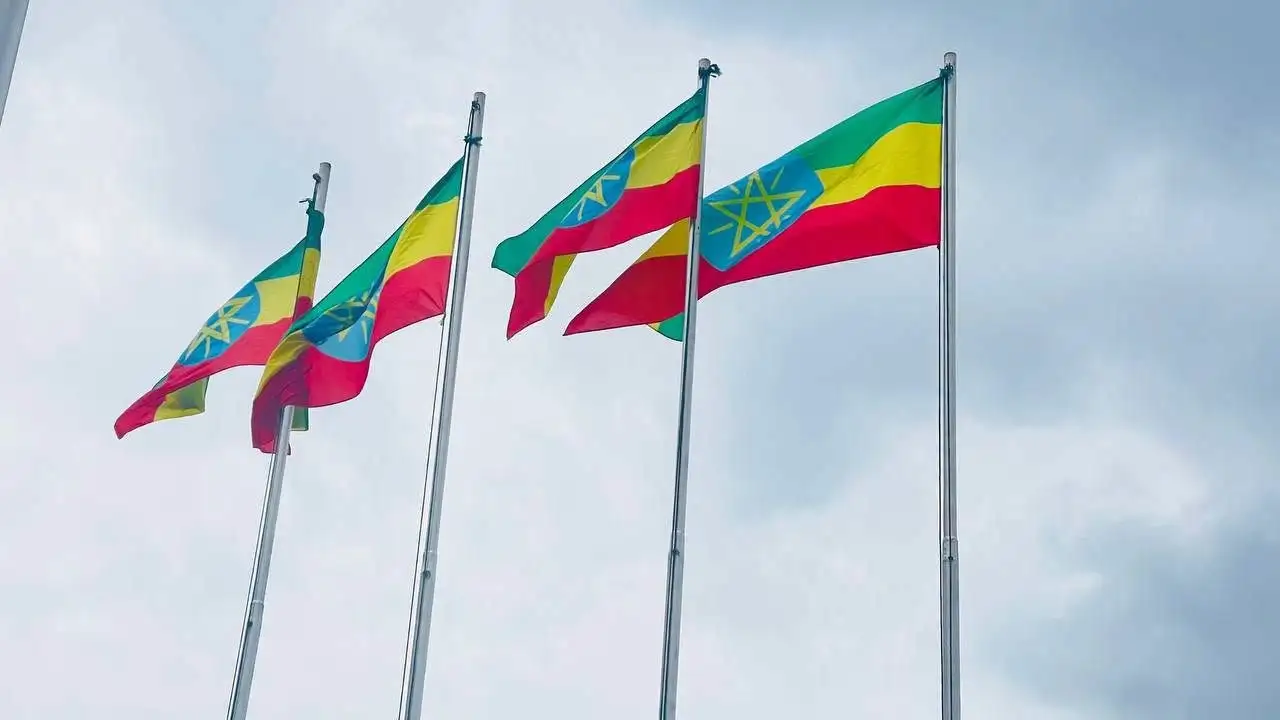

Egypt’s recent declaration that it “will not allow” Ethiopia to undertake new water development projects on the Abbay (Blue Nile) is not diplomacy. It is bullying. The statement by Cairo’s irrigation minister exposes a persistent refusal to accept that the old order—in which Ethiopia’s development aspirations were treated as negotiable while others’ historical privileges were considered untouchable—has ended. Ethiopia will not be dictated to on the responsible use of resources within its own sovereign territory.
No country possesses the legal authority, political power, or moral standing to veto Ethiopia’s right to harness its own natural wealth for the benefit of its people. Ethiopia has never sought prosperity by seizing another nation’s land, water, or resources. Its ambition is straightforward and legitimate: to overcome poverty, expand energy access, and create opportunity through the careful development of what lies within its borders. Attempts to deny this right are not calls for cooperation; they are efforts to freeze a system that belongs to the past.
For decades, Ethiopia’s efforts to develop the waters that originate largely on its soil have met resistance from Egypt, a downstream state that has long sought exclusive influence over a river sustained primarily by upstream contributions—particularly the roughly 85 percent that flows from Ethiopia through the Abbay. That resistance often carries the tone of a colonial-era mindset: an unwillingness to acknowledge that Africa has changed and that upstream nations possess equal claims to development. Ethiopia’s transformation of the Abbay is part of that irreversible shift.
The Grand Ethiopian Renaissance Dam stands as proof. Financed and built by Ethiopians with Ethiopian expertise, GERD generates 5.15GW of electricity without consuming the river’s water. It was never designed to harm Egypt or Sudan. It exists to power industry, expand electricity access, and accelerate economic transformation. The project demonstrates that development and regional cooperation need not be zero-sum. Yet Cairo has repeatedly framed Ethiopia’s progress as existential threat, relying on fear and selective narratives while downplaying scientific realities and Ethiopia’s consistent offers of dialogue. Throughout construction, Addis Ababa called for mutually beneficial arrangements that respect the interests of all Nile Basin states. International principles on shared watercourses affirm sovereign rights to develop resources while requiring responsible use and the avoidance of significant harm. They do not grant any single state a permanent veto over another’s progress.
The same impulse to constrain Ethiopia appears in a different and more dangerous form farther north. An outlawed TPLF faction has returned to confrontation, serving as a vehicle for external actors intent on keeping conflict confined to Ethiopian soil. Reports of an armed military presence crossing from Eritrea into Tigray without the consent of the Ethiopian government, and being received by a group engaged in active hostilities against federal forces, constitute a serious violation of sovereignty. External powers that view Ethiopia’s rising capacity and regional influence with anxiety appear content to see instability managed inside Ethiopia’s borders while their own territories remain insulated.
Ethiopia’s government has responded with measured restraint, prioritizing institutional capacity, national unity, and diplomatic engagement over reactive escalation. At a moment when the country is mobilizing resources to reduce poverty and deepen economic integration with its neighbors, renewed confrontation isolates communities in Tigray from the benefits of recovery and growth. The historical record of three decades of national power that failed to deliver lasting development or durable peace to the region itself underscores that the current posture serves narrow political survival more than popular aspiration.
The international community cannot afford selective blindness. The African Union, United Nations, European Union, and key bilateral partners invested political capital in the Pretoria agreement. That investment is now at risk. Actions by armed groups or external actors that systematically undermine a signed peace framework, resort to forced recruitment, and traffic in eliminationist rhetoric must be named and condemned. Silence emboldens those who calculate that renewed conflict will advance their agendas.
True regional stability requires clarity. Ethiopia’s efforts to consolidate peace, protect its sovereignty, and pursue constructive integration with its neighbors deserve consistent international support. Narratives and alliances that seek to reverse those gains should be treated as the threats they are. The people of Tigray, like all Ethiopians, need development, not graves. Global leaders must insist on accountability, defend the integrity of the peace process, and refuse to look the other way while a fragile recovery is deliberately endangered. Ethiopia cannot be bullied—and it will not allow others to turn its soil into a managed theater of chaos while they remain safely beyond the flames.