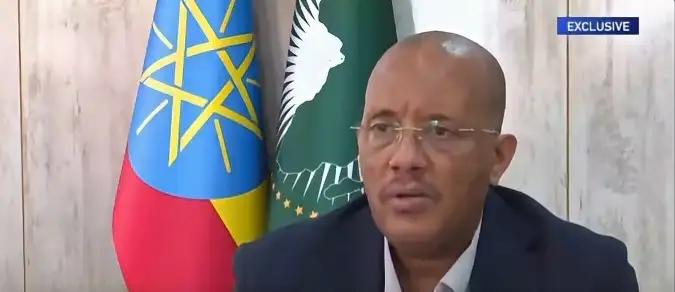
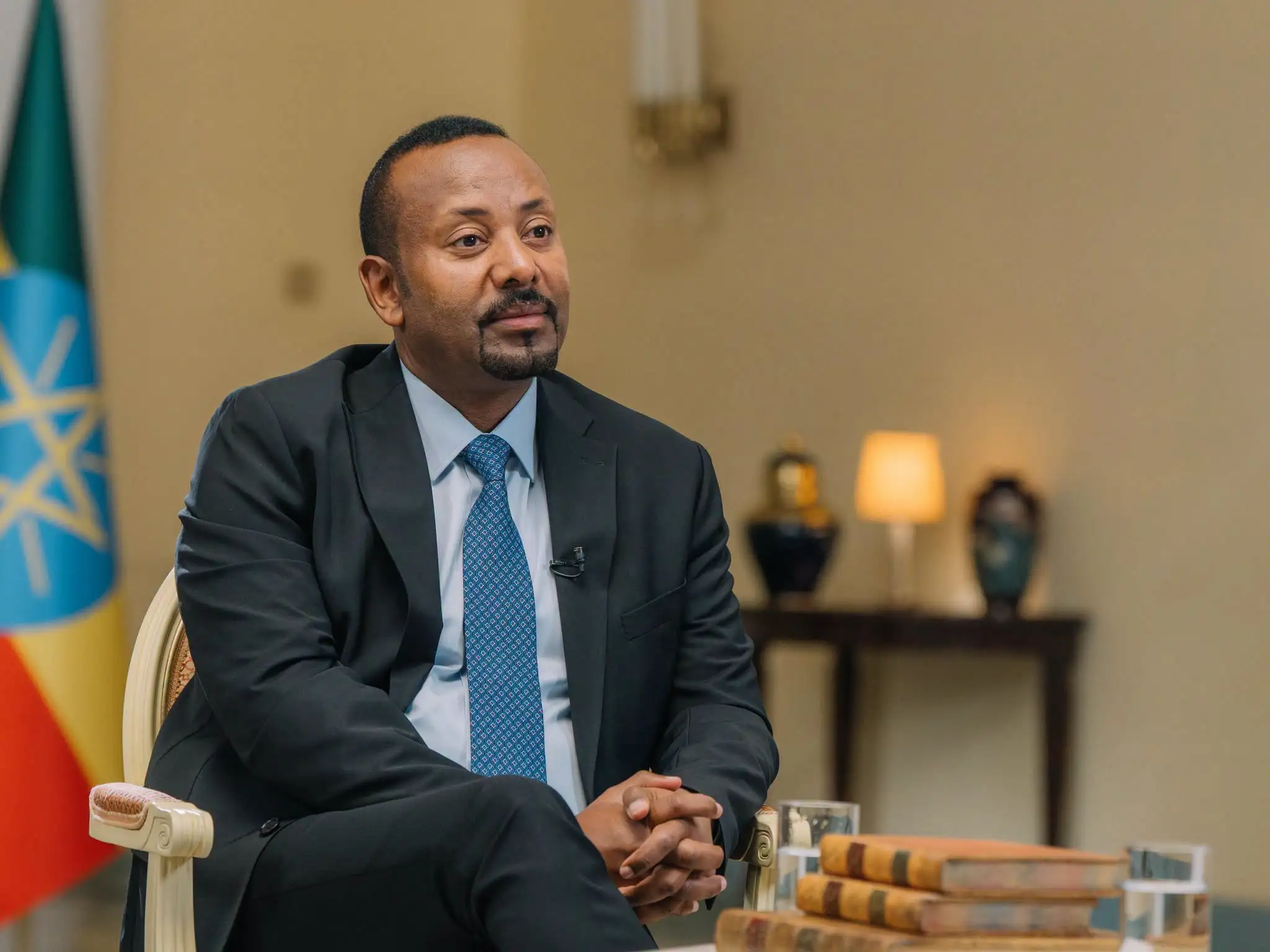
Prime Minister Abiy Ahmed has described the Oromo people as the strong rope that binds Ethiopia together, detailing their deep historical connections to the nation's state-building. During an extensive interview with OBN, the Prime Minister cited various historical examples to illustrate the community's ancient contributions to the interconnectedness of the Ethiopian people. He noted that Dori, the king of Bahire Negash in 1512, was Oromo, and pointed out that significant geographic landmarks, including a large city named Barentu and mountains like Amba Soira and Amba Debra, share Oromo naming roots.
Drawing connections between ancient governance systems, the Prime Minister pointed out that the first king of the Zagwe dynasty bore the Oromo name Mereri. He highlighted a striking historical parallel, noting that the 40-year reigns of Zagwe kings, such as Yimrehana and Lalibela, closely mirror the age at which power is assumed in the traditional Oromo Gadaa system. He added that to this day, there are Afaan Oromo-speaking communities living in the vicinity of Lalibela.
The Prime Minister further emphasized shared heritage by highlighting similarities in cultural expressions, such as traditional clothing, between Axum and the eastern parts of the country. He noted the architectural resemblance between the Sof Omar Cave in Bale and caves in northern Ethiopia, alongside the profound structural and temporal connections between the rock-hewn churches of Bete Giyorgis in Lalibela and Adadi Maryam in Shewa, both masterfully carved from single pieces of rock. These parallels, he explained, demonstrate the deep historical and engineering ties shared by societies of that era, even before the advent of modern transportation. Further evidencing this extensive interaction, he referenced a village named Qeero Gabriel in the Gojjam area, which highlights the widespread integration among communities during the 16th century and even earlier.
Transitioning to modern history, Prime Minister Abiy explained the inherently inclusive nature of the Oromo political movement. He stated that the establishment of the Macca and Tuulama Association went beyond merely securing the rights of the Oromo people, actively embracing the demands of other nations and nationalities, including the Sidama, Wolaita, Afar, and Somali communities. Particularly following the advent of socialist ideology, he noted that the struggle took on a continental and global dimension, firmly proving its historical inclusiveness.