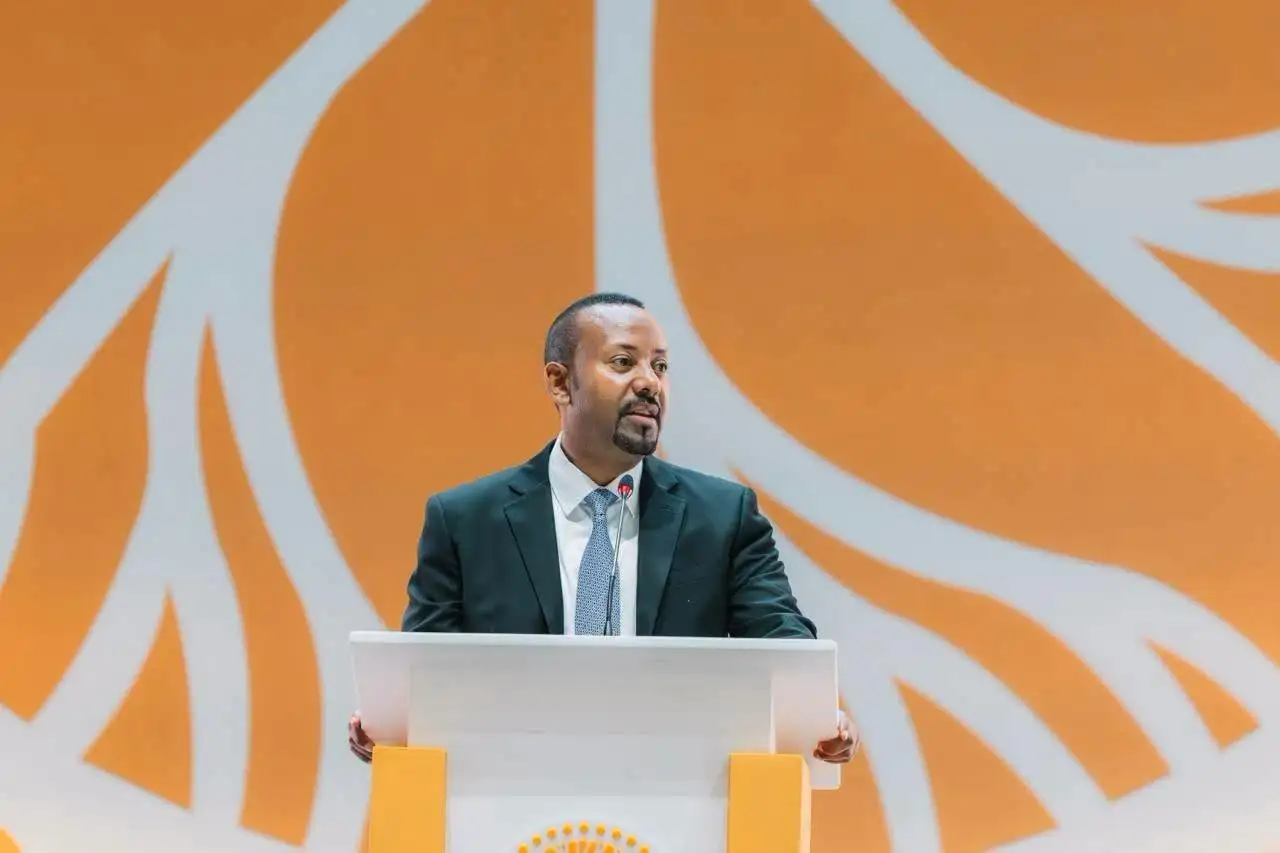
"We have lived through war. We have solved some of our problems with it. We have repeated revolutions; we have solved some problems with them. To solve the problems left unresolved by both, the remaining path is dialogue. But we haven't used dialogue. War and revolution do not bring a complete solution because they result in a winner and a loser. In war, even if it takes time, the defeated struggles to win again; the victor fights to protect the victory. Dialogue, however, makes everyone a winner; and if we concede, we all concede for the sake of our country."
With these defining words, Prime Minister Abiy Ahmed (PhD) perfectly captured Ethiopia's profound need for a new approach. For years, our politics has been plagued by a backward culture defined by a friend-or-foe narrative, a deep intolerance for dissenting views, and a winner-takes-all mindset that attempts to resolve everything through force and the barrel of a gun. It is a stunted political environment that immediately brands anyone with a different perspective as an enemy. Fueled by arrogance, this culture labels one’s own brother as an existential threat, perpetuating an endless cycle of drawing swords and pulling triggers. Even today, it remains trapped in the events of yesterday, marked by bitter blame-shifting and choosing the path of mutual destruction over mutual support.
While Ethiopia possesses a proud, long-standing history of coexistence and defending its national sovereignty, this corrupted political culture has cast a dark shadow. It has turned us into a people who have lived, and continue to live, with internal conflicts waged among brothers. War and conflict, however, bring no blessings. They only breed national destruction, severe human rights violations, massive displacement, and devastation, leaving citizens with enduring psychological scars, deep grudges, and a thirst for revenge.
These toxic inheritances passed down through generations continue to hatch political extremism. Cloaked in ethnic and tribal garments, they have subjected the nation to unbridled conflicts and escalating misunderstandings up to this very day. We have fought one another and gained nothing from war. We have conducted revolutions and achieved nothing from them. The only path we have not yet tried is dialogue.
Recognizing this, the reformist government has firmly emphasized that the way forward lies in national dialogue and the establishment of transitional justice, working with great determination to make this a reality. The all-inclusive national dialogue currently underway in Ethiopia represents a historic, first-of-its-kind opportunity that involves all stakeholders, and the nation must utilize it to its fullest potential.
This dialogue will play an irreplaceable role in healing the broken political culture that has long weakened our traditional values of brotherhood. It is the key to ensuring lasting peace, building consensus on fundamental national issues, developing a democratic system, and fostering the mutual trust necessary to ensure the unity and cooperation of the people.
Delivering a historic message, the Prime Minister extended a powerful call to this generation, urging them to sincerely seize this great opportunity to build tomorrow's Ethiopia today.