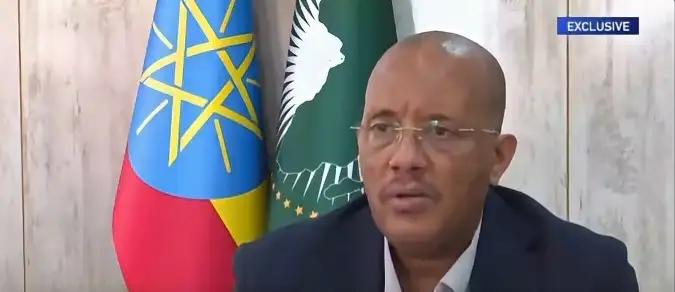
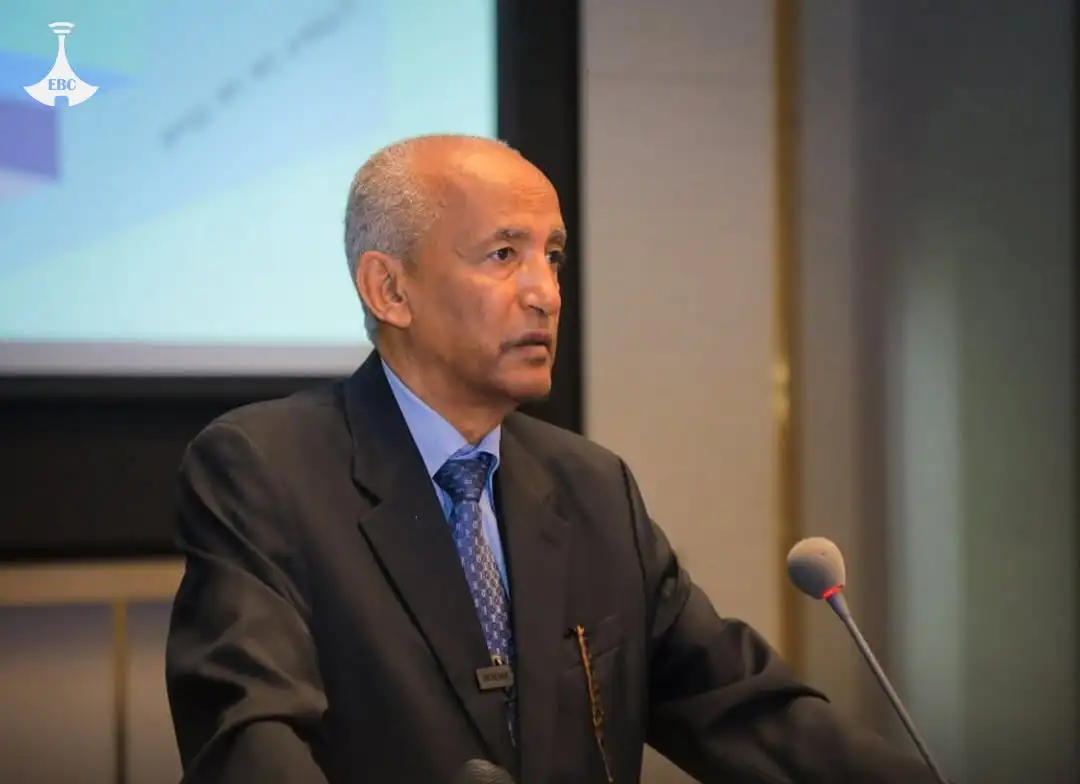
Professor Mesfin Araya, Chief Commissioner of the Ethiopian National Dialogue Commission, has highlighted major strides in the country's ongoing consultation process, emphasizing a deeply rooted, bottom-up approach. Calling the platform a tremendous success in its own right, he noted that approximately 4,000 representatives from diverse segments of society and all corners of Ethiopia have gathered around a single table to discuss their future as equals. To ensure this historic gathering remains focused on the nation as a whole, Professor Mesfin stressed that the dialogue must recognize the rights and identities of all citizens, including minority communities, while being guided by central, unifying ideas. He urged participants to look past their personal, group, or political party agendas and instead prioritize broader, shared interests that benefit the entire country.
This ambitious effort is being driven by a carefully guided exchange of ideas involving 250 members, 30 facilitators, and 500 core representatives. Acknowledging that such a culture of open dialogue is still a new experience for the nation, the Chief Commissioner noted that occasional frustration, withdrawal, or bickering is to be expected. However, he assured the public that when these tensions exceed acceptable limits, immediate action is taken to restore order. To manage this smoothly, a dedicated team led by three commissioners and three experts has been actively working to closely monitor and resolve day-to-day grievances. Should deeper obstacles or disagreements emerge during the process, a council of elders, alongside a regional assembly comprising roughly 330 members, stands ready to intervene and provide fair solutions.
As the dialogue moves toward actionable outcomes, 120 individuals—comprising 15 delegates selected from each group of 500 representatives—will be tasked with drafting resolutions on the agreed-upon agendas. These drafts will then be presented to the general assembly of 4,000 representatives for final approval. While acknowledging that many of the questions being raised stem from hundreds and thousands of years of complex history, Professor Mesfin emphasized that the primary focus is not to dwell on the past, but rather to create a better Ethiopia for the next generation. To ensure this monumental effort leaves a lasting legacy, the entire dialogue process is being thoroughly documented. This historical record will ultimately serve as a vital resource for future policymakers and any bodies responsible for reviewing or revising the constitution.