
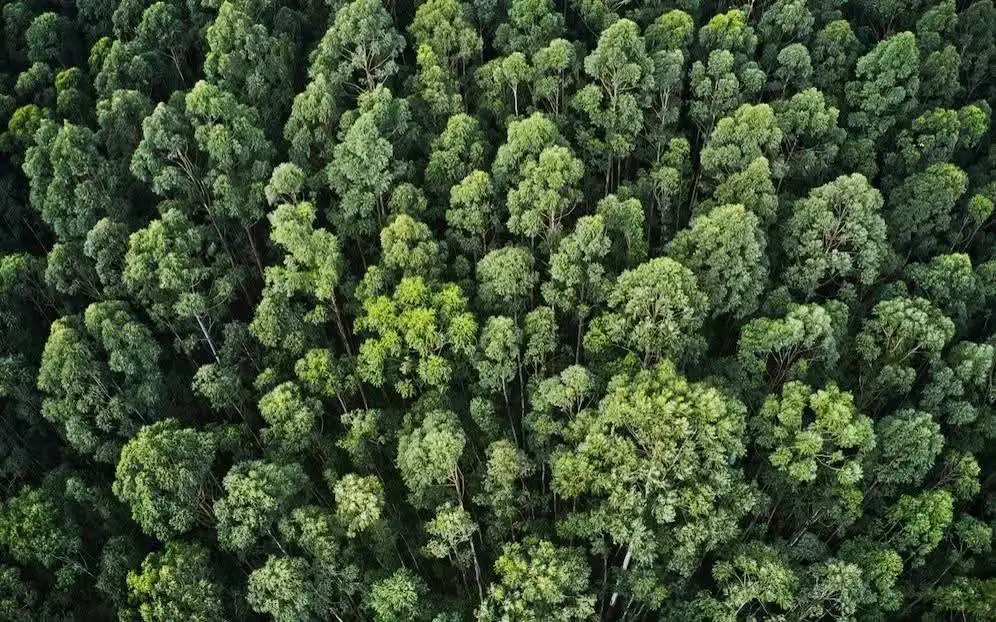
Announced by the African Union in 2007, the Great Green Wall of Africa launched with a grand vision to transform the lives of millions in the Sahel region by greening the continent's degraded landscapes. Today, hailed as the largest living project on the planet and spanning 8,000 kilometers, this ambitious initiative has evolved from a simple tree-planting campaign into a powerful movement that builds the economic capacity of local communities.
According to recent data from the United Nations Convention to Combat Desertification, the project is delivering tangible change by building climate resilience, ensuring food security, and creating millions of green jobs. Community participation is steadily rising as people realize they can earn a sustainable income by caring for nature. The ultimate global target is to restore 100 million hectares of degraded land and sequester 250 million tons of carbon by 2030.

Recognizing the urgent global threat of climate change early on, Ethiopia has taken swift and pioneering steps to bring this continental vision to life. Through its Green Legacy Initiative, the country has sparked a national movement that protects natural resources while enhancing agricultural productivity and securing prosperity for future generations.
New data recently released by the Prime Minister's Office reveals the sheer scale of this commitment. Including this year's planting season, nearly 56 billion seedlings have been planted since the program's inception, with a firm goal to reach 65 billion within the next two years. Because nurturing these trees is just as critical as planting them, the government has deployed modern, scientific tracking methods that have confirmed an impressive seedling survival rate of over 82 percent.
This dedication has not gone unnoticed. Ethiopia’s outstanding contributions to nature conservation and agricultural development have earned international acclaim, including prestigious recognition from the Food and Agriculture Organization. On the ground, the initiative has drastically reduced fertile soil erosion and curbed deforestation. Now, the success of the Green Legacy is echoing far beyond Ethiopia's borders. Many African nations are adopting these practices, and Ethiopia is actively cementing its role as a continental model by gifting seedlings to its neighbors.
The program’s strategic focus on agriculture—specifically the planting of fruit and multi-purpose utility trees—has also yielded significant economic benefits, even demonstrating the capacity to generate foreign currency. Looking ahead, Ethiopia is driving forward with a robust strategy to increase its national forest cover from 23.6 percent to 30 percent by 2030. When compared to the broader goals of the Great Green Wall, Ethiopia's rapid progress stands out as exceptionally fast-paced.
By delivering practical excellence and helping the Great Green Wall hit its critical targets, Ethiopia is illuminating the path for other African nations to follow. Ultimately, the initiative has fostered a deep-rooted culture where citizens actively plant and nurture seedlings in their own backyards, reinforcing the nation's ongoing journey to build a greener, more prosperous Ethiopia for tomorrow.