By: Fiker Tadesse
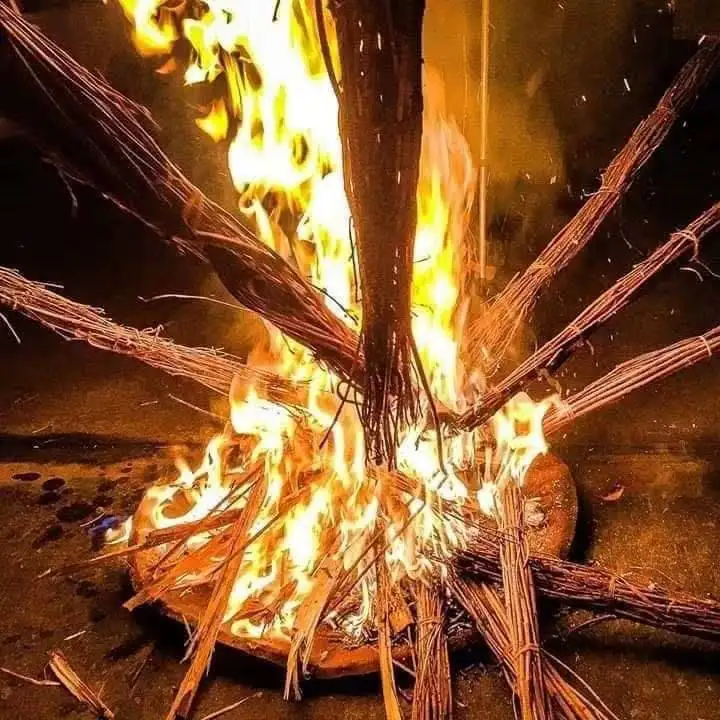
As the traditional Ethiopian calendar reaches mid-August and the dark winter fog gives way to the dawn of the approaching New Year, millions of citizens across the nation, anchored by massive gatherings in the historic city of Debre Tabor in South Gondar, are colorfully celebrating the annual "Buhe" festival. Cultural historians and tourism officials reported that this ancient celebration, commemorated in the Ethiopian Orthodox Tewahedo Church as Debre Tabor to mark the divine light revealed on Mount Tabor, serves as a powerful symbol of national unity, social harmony, and natural renewal while offering an exceptional opportunity for international cultural tourism.
The festival’s approach is traditionally heralded by the echoing sound of cracked whips across valleys and village hills, signifying the retreat of the heavy rainy season and the arrival of an era of light and agricultural abundance. In the days leading up to the main event, groups of young boys go from house to house performing vibrant "Hoya Hoye" songs and dances, filling neighborhoods with joy and receiving fresh, fragrant "Mulmul" bread, a traditional leaf-baked bread prepared by mothers as a token of communal love and hospitality.
 According to cultural scholars and church leaders, Buhe is far more than an outdoor spectacle; it acts as a living educational institution that teaches younger generations the fundamental values of equality, neighborliness, and ancestral respect. Representatives from the Amhara Region Culture and Tourism Bureau noted that the epicenter of the celebration remains Debre Tabor, the capital of South Gondar, where thousands of residents, church scholars, elders, youth, and foreign tourists gather in vibrant open-air venues to witness centuries-old rituals, traditional music, and communal feasts.
To fully capitalize on this living heritage, international tourism consultants and regional development experts recommended that federal and regional authorities systematically transform Debre Tabor into a world-class cultural tourism destination. Experts advised the Ministry of Tourism to establish structured annual "Buhe Cultural Weeks," invest in high-quality hotel infrastructure, and develop packaged heritage tours that link the festival in Debre Tabor with nearby iconic destinations, such as Lake Tana, Lalibela, and the Simien Mountains National Park.
Furthermore, media specialists and event organizers recommended launching targeted global promotional campaigns to showcase the unique artistic elements of Buhe, specifically the Hoya Hoye masquerades and traditional whip-cracking artistry, on international cultural platforms. Analysts emphasized that, similar to Ethiopia's UNESCO-inscribed festivals like Meskel and Timket, a well-managed Buhe festival could generate substantial foreign exchange, create sustainable local jobs for youth, and provide domestic and foreign visitors with unforgettable, authentic cultural memories.
Cultural leaders concluded that as Ethiopia prepares to welcome its New Year, the spirit of Buhe continues to serve as an enduring bridge between past traditions and future prosperity, demonstrating how ancient heritage can drive modern economic growth and national unity.