By: Fistum Getachew
At the end of any year, it is usual that people look back at it and try to make a sense out of it. In a way it is a kind of evaluation or assessment of the year and what to expect from the coming one. We usually try to avoid the blunders we made during the year and strive not to repeat them during the coming new year. There may not be many Ethiopians who make such overviews of the past year, as we are not so much accustomed to programming our private lives nor documenting them, whereas this practice is more common in the West. Then follows the new year resolutions, which are a kind of vow regarding how one will live their life in the coming new year.
Pledges are made, including promises that one would do this or that which one did not do or failed to do. People put a target or an objective to which they pledge to travel, such as, for instance, undertaking a degree program in a new discipline, engaging in a new trade, investing in some PLC or trade venture, or even taking some course in some school, etc.
The same could be said of governments as well because more appropriately and inevitably they plan to achieve a certain objective within a certain time frame usually on an annual basis, also because there will be an issue of budgeting and hence there comes the natural sequel of transparency and accountability to the citizens or constituencies that have brought them to power.
In this context, how did the just ending of Ethiopian year 2018 go for the Ethiopian government led by the Prosperity Party presided over by Prime Minister Abiy Ahmed (PhD)? Which ones are the major achievements of the ‘Medemer State’? It is known that the incumbent government is often identified or denominated as ‘the Medemer State.' As listed to a certain detail in the book bearing the name ‘the Medemer State,' it puts in perspective what the government should do and what to do to resolve any outstanding issue that the nation faces.
First of all it could be said that Ethiopia continued to make progress in the improvement of the macroeconomic situation that deserved the commendation of our development partners and international financial institutions that continue to monitor the performance of the country while supporting it. It has reduced the inflation rate of cost of living significantly even if not as it would have liked to, also because of international events that have been affecting the geopolitics of the entire world.
Today there are few international developments or events that avoid affecting others and not only those adjacent to where the events take place. Hence for instance, any conflict in the Middle East ends up affecting practically the whole world. When you add to this the Persian Gulf, the situation becomes even more explosive and full of negative impact! The same can more or less be stated about the Ukraine-Russia conflict. We all know the implications that followed because of it. Food prices skyrocketed more than ever before reminding us how much we relied on the import of wheat and edible oil. Today Ethiopia has seized such challenging situation to an opportunity by producing more wheat with the irrigation scheme now in full operation and the once importing country is now exporting wheat and at the same time earning foreign currency.
Similarly, to avoid the dependence of the country on imported fertilizer Ethiopia has decided and begun to build a huge factory of fertilizers in joint venture with the Nigerian Tycoon Aliko Dangote and will be ready in the next few years. Ethiopia hence has been continuing to make progress in its bid to be a country that should not rely on imports also because imports cost a lot of foreign currency while what it should do is increase its income in foreign currency and that is what it actually did with the sizeable increase in exporting and earning more. For instance the export of gold and coffee has resulted in a huge growth never experienced before.
Ethiopia has also registered a huge sum from tourism as a result of the sharp increase in the number of tourists who visit the country and stay. There are reports from those who monitor the influx of tourists and the rate of growth and they have recorded that Ethiopia is making immense progress in the industry compared to other countries. What is more is that the potential is very big and Ethiopia is doing all it can in terms of preparing new destinations and attractions especially by availing more infrastructure, such as roads, hotels and resorts with vast and more green areas.
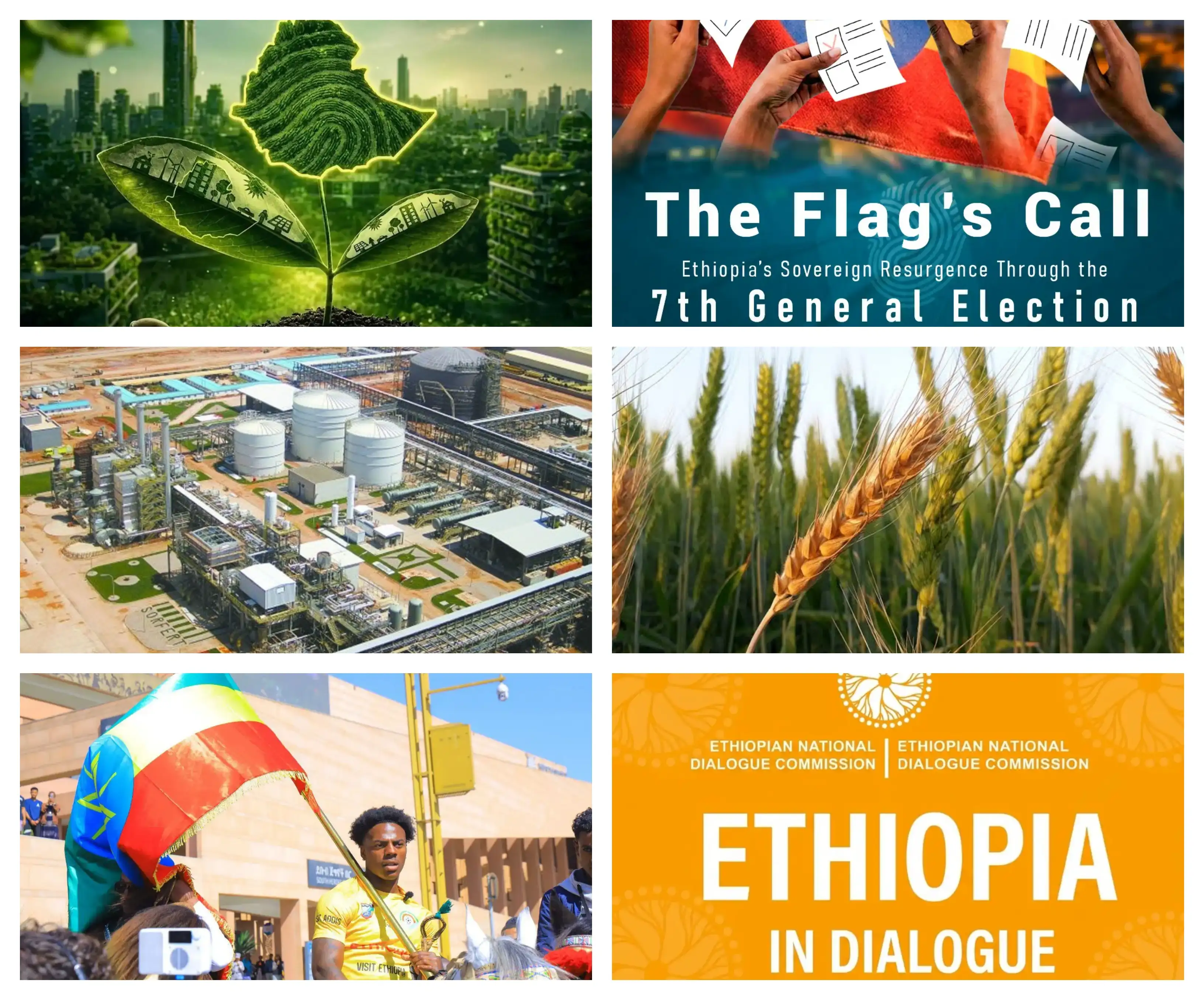
In this sense the Green Legacy Initiative has been one of the attractions of the current day Ethiopia because it has gained a huge reputation for the initiative and filled many pages in the international media both print electronic and the social media. With the over 200 international conferences that have taken place in the country this year, Ethiopia has benefited from conference tourism and will continue to do so because it has shown excellent preparation and it will have another wonderful occasion when the COP32 will be held here in 2027. This year’s Green Legacy program will end up planting more than 8 billion seedlings. Among them about 40% are fruits and vegetables as well as plants such as coffee tree that is expected to contribute a lot to the growth of income from export.
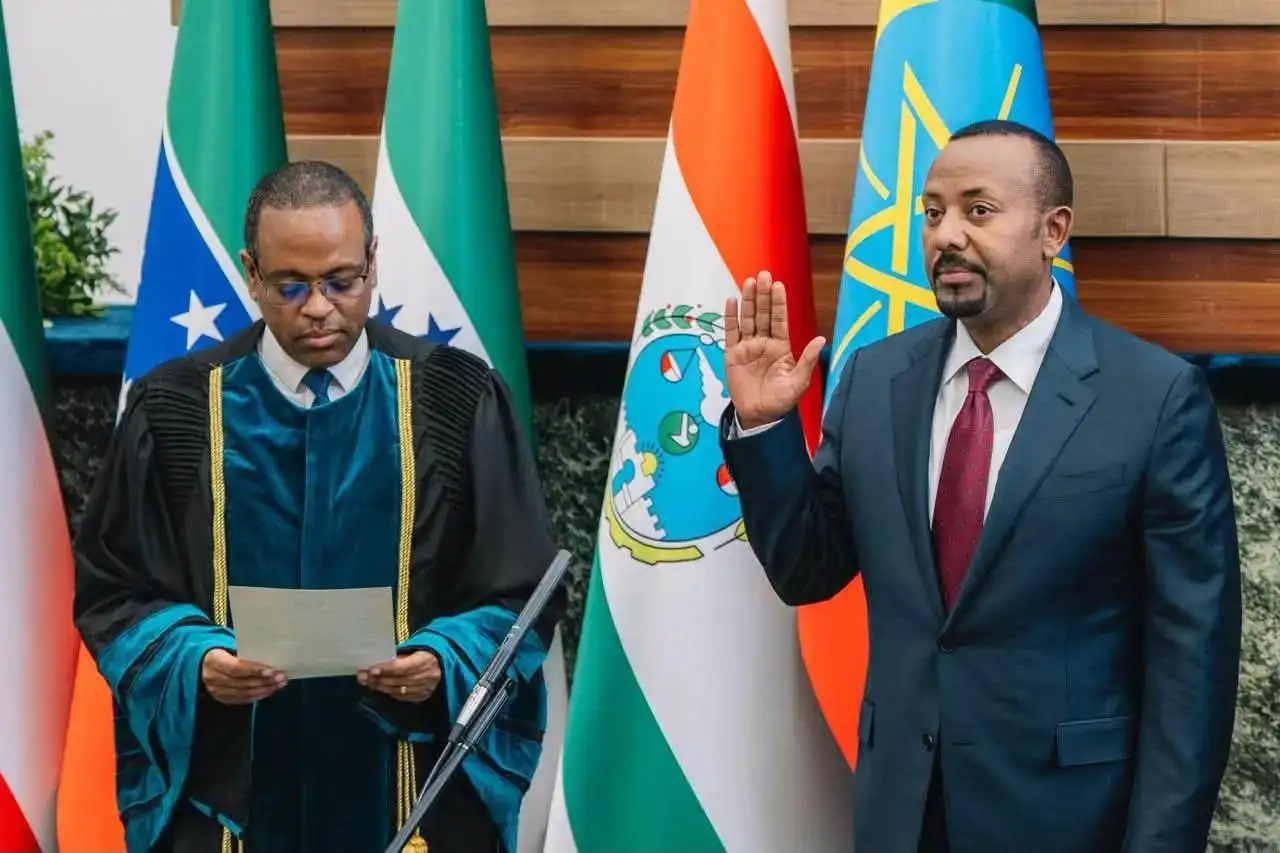
Another fundamental event that ended with glorious success was the 7th General Election which many critics and opposition forces had forecast that it would have resulted in an embarrassing defeat for the incumbent also because no one would have heeded the call for the polls in the first place let alone re-elect the current government. Well, in the end, more than 54 million citizens ended up electing their representatives by lining up for hours on end beginning the very early hours of the morning up to well late in the evening and all of that in a peaceful and orderly manner! The country was under the scrutiny of many especially those who were ready to fire their shots against it but were disappointed because things went the right way for Ethiopia. Ethiopians are now mature enough to do what they need to do and not be ‘bullied’ to do what they do not like to do. Once again they have kept their right to do what they think is fit for their interests and not heed the ideas of people whom they don’t even know and are just conspiring with the historical foes of Ethiopia.
There are several issues that Ethiopians needed to address in terms of what sort of political system or kind of government they would like to have and what are the major obstacles that create disagreements and even conflicts as we have been recording here and there among certain splinter groups trying to destabilize the country. Well in the search for a viable solution to all outstanding issues of disagreement Ethiopians never had the occasion to sit down face to face and discuss things that are the sources of the disputes or disagreements. It is to fill such gap that four years ago the National Dialogue Commission was established and after a toilsome and extensive voyage to every part of the country in search of agenda that were at the heart of people, the Commission invited 4000 delegates from every corner of the country and carried out the national conference with great success.
Beginning July 15, 2026, Ethiopians were engaged with the discussions of the agendas collected from all over the country and categorize in eight major issues to then take a common stand after extended deliberations carried out peacefully and candidly and this has definitely passed as a huge and historical chapter in this year’s context of major events that have marked the year. This is even more so because it is unprecedented and was considered by many critics as impossible. In fact, the issue had attracted major international attention to see the end of the process. Well, it has been a huge success as reported by practically everyone who took part in the process and was interviewed by the media. What is more, many international correspondents were also in attendance following the process at every level reporting on them. And they have testified to the orderliness and disciplined manner of discussing serious national issues of fundamental significance and impact. What has transpired is that Ethiopians have matured politically and would not be willing to resort to waging war every time there may be disagreements on any issue.
Today they have found that solutions can be availed only on the basis of discussions in a frank and straightforward manner instead of dismissing others’ opinions or views and sticking to theirs only. Today diplomacy and compromise should be the order of the day, and that is how countries with whatever number of nationalities or ethnic groups may exist, because as long as there are candid discussions and exchanges of ideas carried out peacefully, the result could be a compromise and a solution to any dispute or disagreement at hand. In this respect, the year has presented this opportunity to Ethiopians, and hopefully such method of discussions will be part of the tradition and culture of Ethiopians.