

The digital ID system is currently being utilized in several African nations to create better service accessibility, with key examples including Ethiopia (Fayda), Nigeria (NIN), South Africa, and Kenya. This indicates a rapid expansion of the process across Africa. Drawing upon this international experience, Ethiopia is actively implementing and expanding the accessibility of digital ID and is undertaking extensive work to provide services through its new digital ID, Fayda.
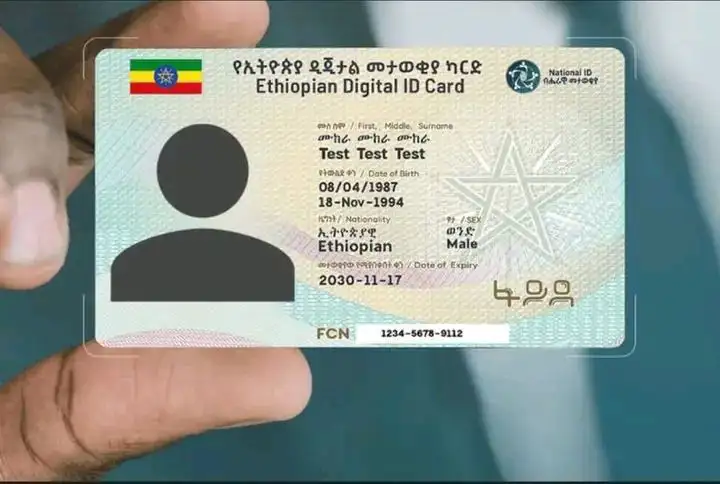
As of 2024, an estimated 5 billion people worldwide use a digital ID. In response, citizens in many countries are implementing digital ID systems to access fast, reliable, and equitable services. By providing a secure, unique identifier, the digital ID system is emerging as a critical global tool for building efficient service delivery and preventing document fraud.
The global trend is exemplified by leaders like Estonia, a world leader in digital ID utilization. Estonia’s digital ID, known as e-ID, has been operational for several years, connecting over 600 government institutions and over 24,000 private businesses. The system allows citizens to engage in digital transactions, participate in online voting, access health services, pay taxes, and register businesses. Crucially, 99 percent of Estonian citizens are users of the digital ID, a practice that has fostered new job opportunities for entrepreneurs and remote workers and promoted digital signatures for a time-saving national process.

Singapore serves as another powerful example. Its digital ID system facilitates secure services, connecting over 700 government service institutions with private businesses. With 97 percent of citizens using the digital ID, the nation has achieved strong public trust and secure data exchange, allowing users to sign digital documents, create financial plans, and securely fill out forms. Furthermore, Vietnam's digital ID experience is rapidly accelerating, with the country working toward a goal of 100 percent digital service accessibility by 2026. Currently, data indicates that 80 percent of service institutions offer their services in a completely digitalized manner.
A digital ID is a government-issued document or digital credential that includes an individual's identification number, serving as legal proof of a person's identity and citizenship within a country. The primary objective of the digital ID is to establish streamlined systems, eliminate cumbersome paper-based processes, enable citizens to easily access government services and verify their identity, and, in some countries, conduct secure digital transactions.