
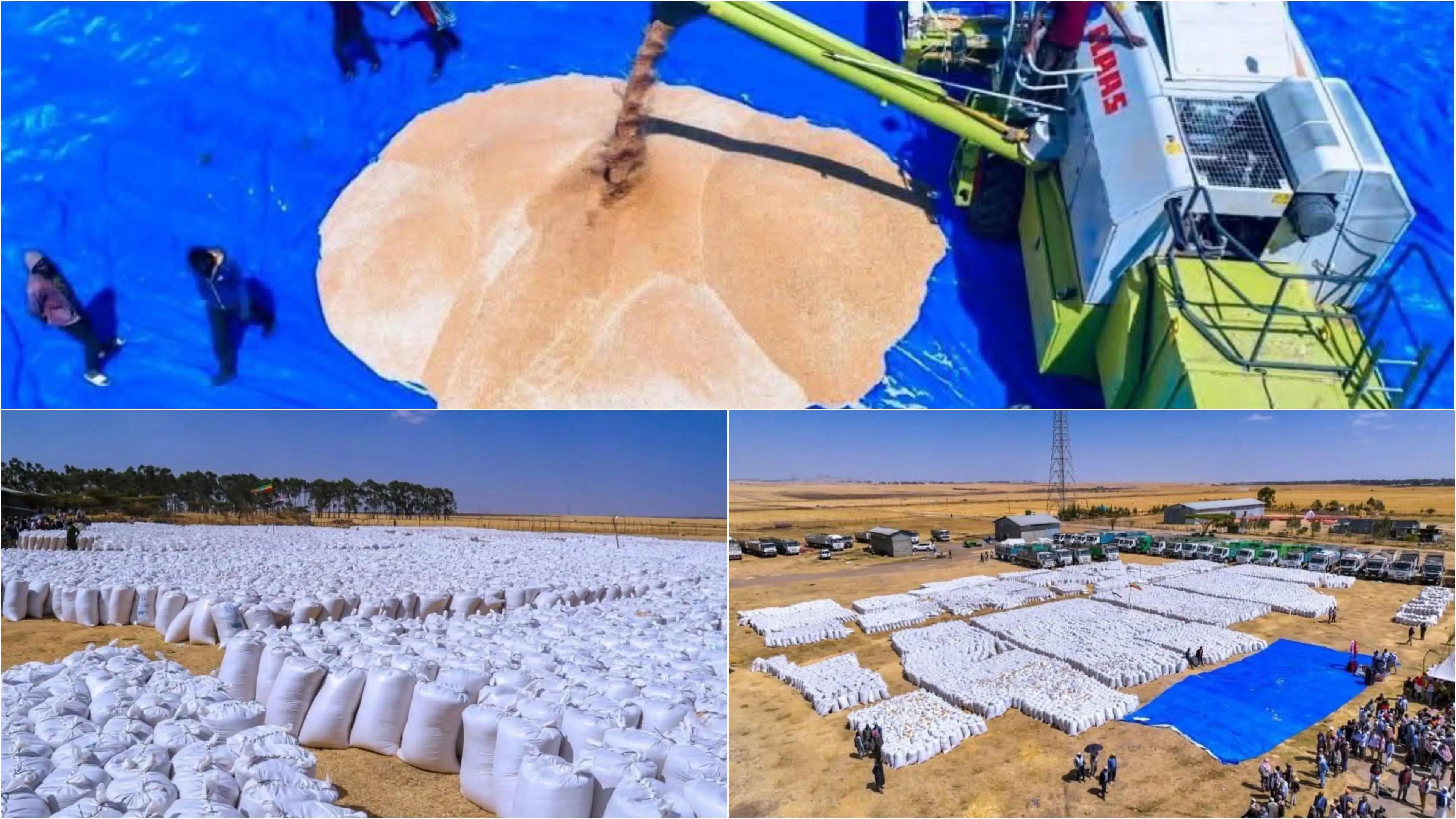
Ethiopia's Prime Minister Abiy Ahmed has announced that the nation’s wheat production reached 126.69 million quintals in the first half of the 2018 Ethiopian calendar, marking a significant step in the country's ambitious push for food self-sufficiency.
The Prime Minister stated that the National Wheat Program is designed to transform Ethiopia into a self-reliant producer by focusing on increased productivity, the expansion of irrigated farming, and the strengthening of seed systems. This strategy specifically targets support for smallholder farmers across the country's key agricultural regions to ensure sustainable growth.
Crucially, the 126.69 million quintals reported for the first two quarters of the year only accounts for rain-fed production. This figure does not yet include the additional output expected from Ethiopia’s large-scale irrigated wheat projects, which have become a hallmark of the government's recent agricultural reforms.
Reflecting on the progress made so far, PM Abiy praised the nation's agricultural workforce for their efforts in hitting these targets. He urged farmers to maintain their current momentum as the government continues its efforts to move away from a reliance on grain imports and secure the domestic food supply.