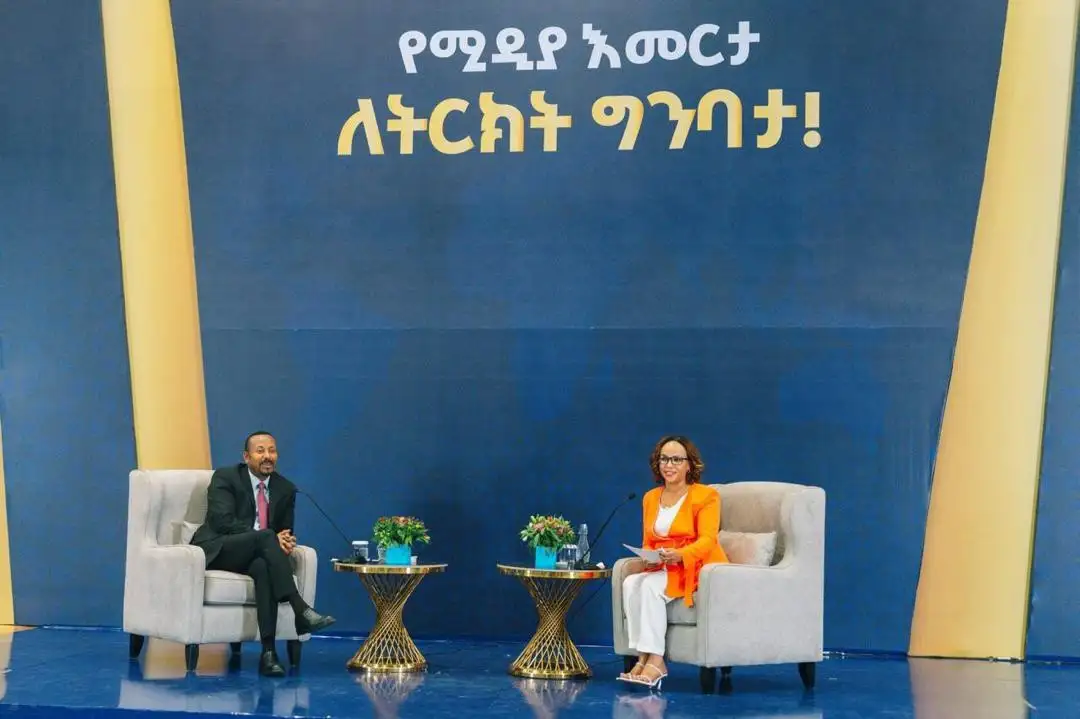
Prime Minister Abiy Ahmed (PhD) has urged Ethiopians to look past divisive identities and focus on the "existential" goal of securing a sea outlet for the nation’s economic future.
The prime minister addressed the media’s role in national discourse, challenging journalists to prioritize the country's collective interests. He specifically pointed to the maritime access issue, stating that for a nation of over 120 million, a sea port is a fundamental economic necessity. He noted that Ethiopia currently pays inflated prices for essentials like fuel and fertilizer due to high transport costs, a burden that should unite rather than divide the populace. "What is a journalist who says Ethiopia doesn't need a sea outlet going to tell their child tomorrow?" he asked, framing the issue as a historical responsibility to the next generation.
Parallel to this economic quest, Dr. Abiy used a vivid cultural analogy to address internal social tensions. Comparing Ethiopia to the "soil" or "clay" that forms the foundation of its people, he remarked that while the base is undisputed, conflict often arises over the "shapes" (identities) created afterward, like the jebena (coffee pot) or sini (cup).
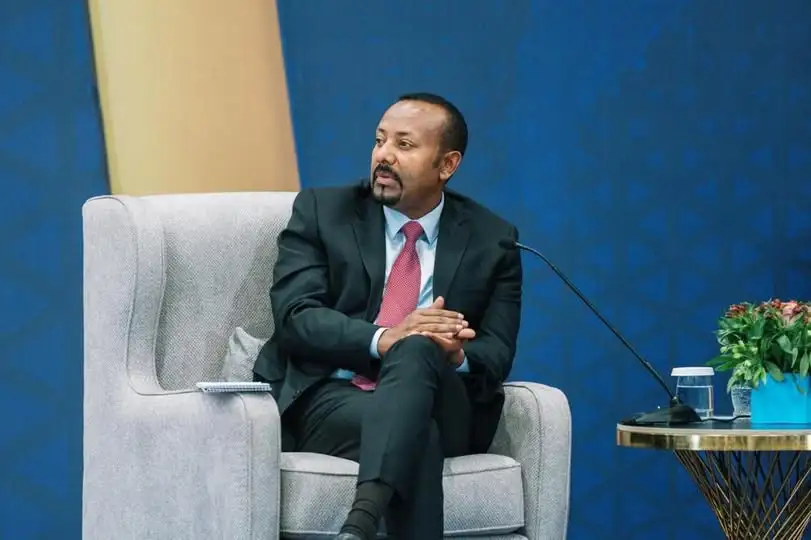 Key directives from the prime minister included the following:
- Rejecting Extremism: He warned that polarized religious, ethnic, and political stances lead to national "breakage" and must be abandoned.
- Media Responsibility: He urged media outlets to foster "civic practice" by hosting diverse viewpoints rather than "pushing" a single agenda.
- Shared Identity: He called for the creation of inclusive national symbols and "shapes" that reflect a common destiny rather than highlighting a single group.
Concluding his remarks, Prime Minister Abiy appealed to all citizens to dedicate their time to development and cooperation, ensuring that Ethiopia's "biases" are always directed toward national growth and public safety.