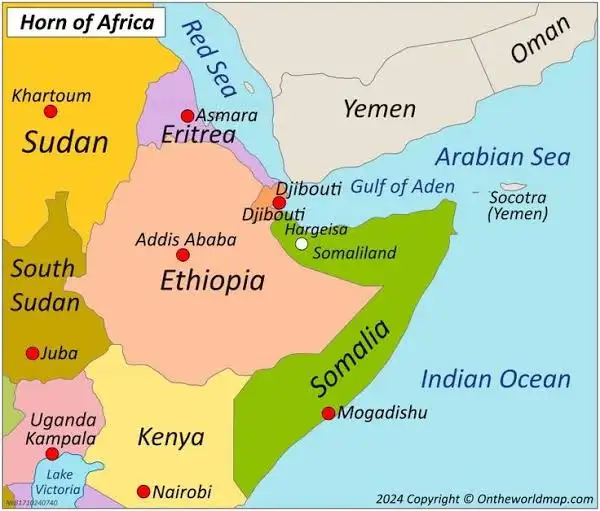
The future of the Horn of Africa will not be shaped by suspicion, rivalry, or zero-sum politics. It will be built through regional cooperation, economic integration, mutual respect, and a shared commitment to development. In a world increasingly defined by geopolitical competition, the countries of our region face a choice: remain divided by mistrust or unite around common interests that improve the lives of millionws.
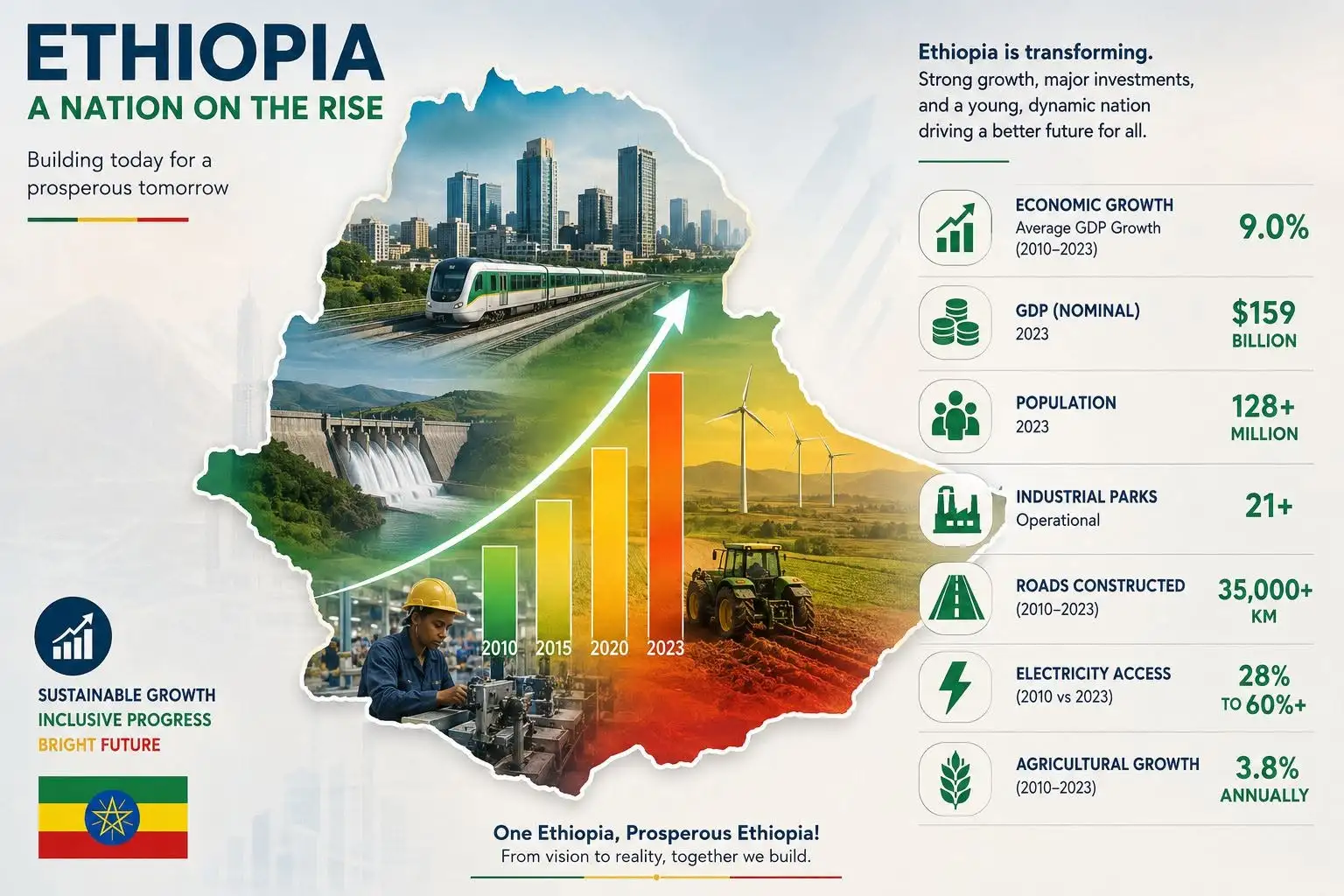
Ethiopia has consistently presented its foreign and development policy as one rooted in partnership rather than confrontation. From expanding cross-border infrastructure and regional electricity interconnections to contributing to peacekeeping missions across Africa and promoting economic connectivity, Ethiopia argues that sustainable development is strongest when neighboring countries grow together. The country's vision is simple: prosperity is more durable when it is shared.
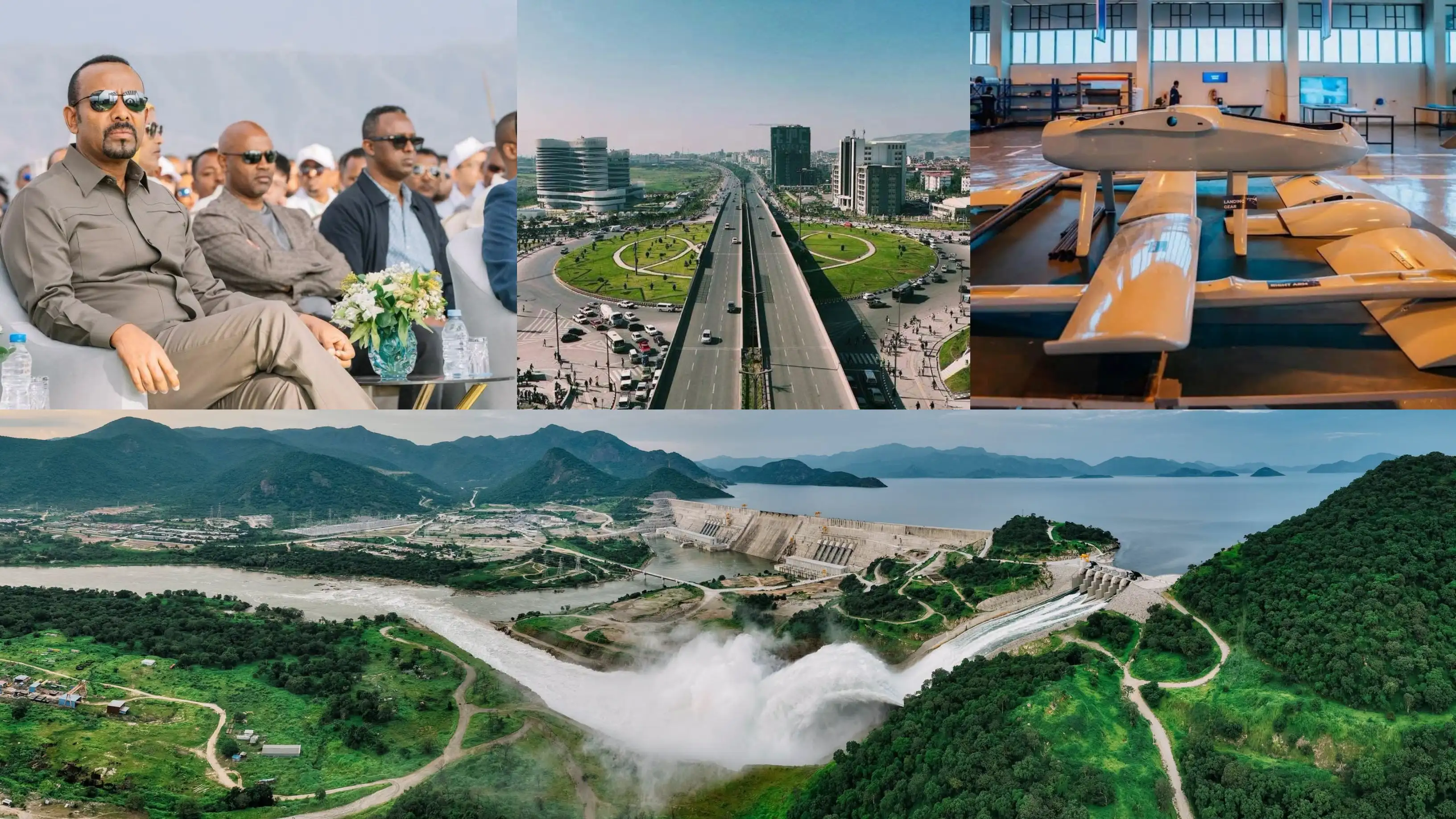
The Grand Ethiopian Renaissance Dam (GERD) reflects that vision. Ethiopia has consistently maintained that the GERD is a renewable energy and development project intended to expand electricity access, accelerate industrialization, and foster regional economic cooperation. Ethiopian officials have repeatedly stated that the project is designed to generate clean energy that can benefit not only Ethiopians but also neighboring countries through regional power interconnections and energy trade.
The peoples of Northeast Africa share more than geography. They share centuries of history, cultural ties, economic interdependence, and a common future. Climate change, food security, energy demand, population growth, and regional development are challenges that no country can solve alone. These realities call for cooperation rather than polarization and partnerships rather than perpetual political confrontation.
The Horn of Africa possesses extraordinary potential. With its young population, strategic location, abundant natural resources, expanding markets, and growing infrastructure, the region can become one of Africa's most dynamic economic corridors. Unlocking that potential requires investment, connectivity, and trust among neighbors whereby Egypt acts in contrary to the existing realities: deepen divisions and discourage cooperation.
Across Horn of Africa, Egypt’s contribution in promoting Peace and security, keeping, Infrastructural connectivity and economic development was zero rather engaged in destabilizing and dividing the sub-region. Ethiopia boldly demonstrates that nations prosper when they build bridges physical, economic, and diplomatic. Roads connect markets. Railways connect industries. Power lines connect communities. Dialogue connects people. Development creates opportunities that conflict never can.
The choice before the region is therefore larger than any single project or political disagreement. It is a choice between cooperation and confrontation, between shared progress and prolonged rivalry. Ethiopia, with its positive track records, still engaged constructively than Egypt’s destructive and divisive ambition. The Horn of Africa deserves roads instead of roadblocks, energy instead of misguided egoism, partnerships instead of polarization, and hope instead of suspicion. History remembers those who built bridges instead of barriers.